Top Bwindi Gorilla Trekking Packages 2026/2027
Explore our Bwindi gorilla trekking safaris and tours below.
Explore our Bwindi gorilla trekking safaris and tours below.
 USD 1350 Per Person
 USD 1450 Per Person
 from $1250 Per Person
 from $2330 Per Person
 from $1650 Per Person
 Request Price
 from $2500 Per Person
 from $3100 Per Person
 Request Price
 from $4000 Per Person
 Request Price
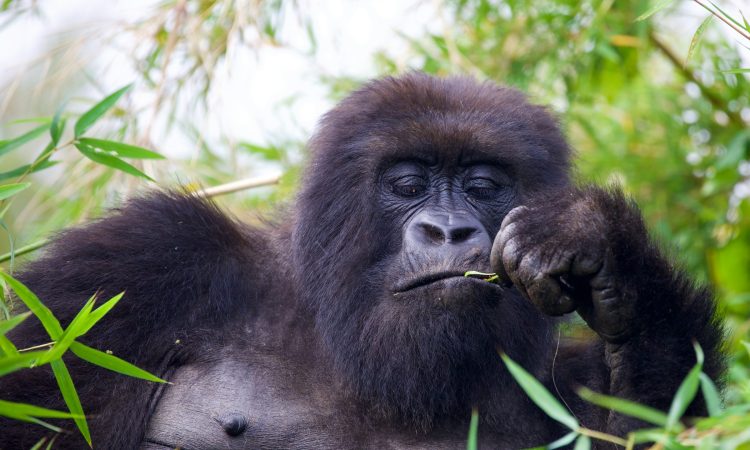
The mountain gorilla is one of the world’s most sought-after primates, found only in Volcanoes National Park in Rwanda, Virunga National Park in Congo, and Bwindi Impenetrable National Park and Mgahinga Gorilla National Park in Uganda.
Mountain gorillas have thick fur that helps them survive in cold conditions, living at elevations between 2,200 and 4,300 meters above sea level. They’re terrestrial and quadrupedal, capable of walking upright for short distances, though they mostly move on all fours by knuckle-walking, with their arms supporting much of their body weight.
Adult males are called silverbacks for the grey fur they develop on their backs with age. They can climb trees to reach fruit if the branches can support their weight, and their arms are longer than their legs, similar to chimpanzees.
Mountain gorillas inhabit tropical forest with dense bamboo growth and rarely survive long in captivity, unlike lowland gorillas, which are more commonly found in zoos.
Mountain gorillas are generally gentle, but remain wild animals capable of charging seriously if they sense danger. They have short necks, broad shoulders and chests, and eyes and ears that appear small relative to their heavily muscled heads. Each gorilla can be identified by its unique nose print, much like a human fingerprint.
Gorillas live in groups of 5 to 30 members, each led by a dominant silverback who sets the group’s routine and behavior.
Because they live at high, sometimes cold elevations, mountain gorillas rely on thick fur to stay warm. They forage for food such as ants using sticks inserted into holes, and can store food in their cheeks while foraging.
When threatened, gorillas may scream, stamp the ground, tear vegetation, and stand upright, with the silverback signaling the rest of the group to take cover.
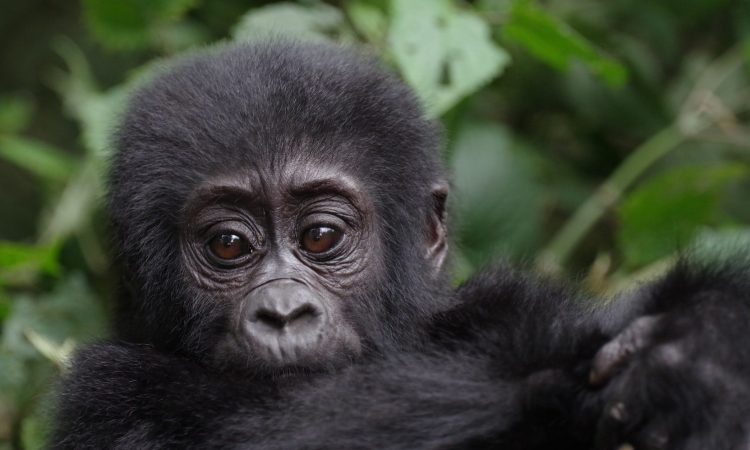
A female mountain gorilla typically has 2 to 5 offspring in her lifetime, beginning around age 10, with each pregnancy lasting about 8 to 9 months. Like humans, gorillas have milk teeth that are later replaced by 32 permanent teeth.
Gorillas can contract illnesses such as colds, flu, pneumonia, and Ebola, usually through transmission from humans or as a result of cold weather exposure.
Mountain gorillas share an estimated 98% of their DNA with humans, making them among our closest living relatives alongside chimpanzees, and have feet structurally similar to human feet.
Newborn gorillas weigh around 4 pounds, nurse for about a year, and cling to their mother’s back from roughly age 2 to 4. Silverbacks will defend their families even at great personal risk, while mothers are primarily responsible for protecting their infants.
Their diet includes bamboo, shoots, stems, fruit, flowers, leaves, bulbs, and tree bark, supplemented occasionally with termites and ants. Since much of their diet already contains significant moisture, gorillas rarely need to drink water directly, and are also known to be wary of water, typically crossing streams using fallen logs rather than wading through.
Each evening, gorillas build a fresh nest from plant material. Infants share a nest with their mother, while adult males sleep alone. Mothers groom their infants, who eventually begin grooming themselves as they mature.
Mountain gorillas consume large amounts of vegetation, playing an important role in the local food chain; disrupting this balance could affect other species in the area.
They’re also economically significant to communities near their habitat, who benefit from ecotourism as visitors travel from around the world to see them, generating substantial income for the countries involved each year.
Gorillas help disperse seeds as they move through the forest, creating space for new growth and helping the forest regenerate, a benefit that extends to the people who depend on that same environment. They’re also valuable for scientific research into the broader great ape family, including humans, and for supporting sustainable tourism more broadly.
Gorilla trekking in Bwindi takes place across four sectors: Rushaga, Nkuringo, Buhoma, and Ruhija, each with distinct terrain and its own gorilla families. Choosing the best sector isn’t straightforward, since each has its own advantages and drawbacks, and your ability to trek a given sector ultimately depends on permit availability.
Buhoma sector: Trekking here is excellent but highly competitive, and securing a permit just days before your trip can be difficult, so book well in advance. Located in southwestern Uganda, Buhoma was the first sector where gorilla trekking began in the country, home to the Mubare family, Uganda’s first habituated gorilla group, opened to visitors in 1993. It also offers a wide range of other wildlife, butterflies, trees, and birds.
Ruhija sector: Located in the eastern part of Bwindi, Ruhija offers some of the easiest, least steep trails in the park and hosts the second-highest gorilla population after Rushaga, making it one of the more popular sectors for its combination of accessible terrain, location, and gorilla families.
Rushaga sector: Located in southwestern Uganda, Rushaga has the highest number of habituated gorilla families of Bwindi’s four sectors and is the only sector offering the gorilla habituation experience (more on this below).
Nkuringo sector: Located in the southern part of the park, Nkuringo has the fewest gorilla families of the four sectors but offers the best overall scenery of any of them.
The Gorilla Habituation Experience (GHEX) was introduced in Uganda in January 2014, and is available exclusively in Bwindi’s Rushaga sector. Habituation is the process of acclimating wild gorillas to human presence before they can be opened to standard tourist trekking.
Visitors who take part in habituation join researchers directly in this process. It offers a longer, more intimate encounter than standard trekking, since visitors spend more time with the gorillas and groups are limited to just 4 people.
The habituation process itself (distinct from the tourist GHEX experience) can take 2 or more years to complete, depending on the family. Throughout this period, researchers and rangers visit the group daily, studying and recording individual behavior and eventually naming each gorilla as they become accustomed to human presence.
Mountain gorillas were nearly extinct in the 19th century, but sustained conservation work, pioneered by American primatologist Dian Fossey, has helped their population recover. This conservation work continues today and requires significant funding, much of which comes directly from gorilla permit revenue.
Trekking is also costly because a share of permit revenue goes to communities surrounding the parks, and to the guides and rangers who work within them. This revenue-sharing has, in turn, helped reduce poaching, since these communities now benefit directly from gorilla tourism.
Ruhija: A popular choice thanks to its accessibility from Entebbe and proximity to the Katuna border with Rwanda. The sector also sits near Lake Bunyonyi, known as the “Lake of Little Birds,” just 52 kilometers away, a good spot to relax and birdwatch after trekking.
Rushaga: Gorilla permits here cost $800 per person, with gorilla habituation priced at $1,500 per person. Children under 15 and travelers showing signs of illness, such as flu, are not permitted to trek.
Nkuringo: With the fewest gorilla families of any sector, Nkuringo also has the fewest daily permits available, and the terrain here is notably strenuous, requiring good physical fitness.
Buhoma: The most in-demand sector for permits, Buhoma is home to five habituated families, each with 8 daily permits, giving the sector 24 total gorilla permits per day.
Uganda has over 18 habituated gorilla families in Bwindi, each visited by up to 8 tourists daily, spread across the park’s four sectors.
Nkuringo sector families: Though Nkuringo has few families of its own, its proximity to Rushaga means you can stay in Nkuringo and trek in Rushaga instead. Nkuringo’s own families include the Christmas and Nkuringo groups.
Ruhija sector families: Opened for trekking in 2008, Ruhija initially had two gorilla groups available, plus one reserved for research that was later opened to tourism. One of the original groups later split, forming a third. Today, Ruhija has over five habituated families, including Bitukura, Oruzogo, Kyaguriro, and Mukiza, among others.
Rushaga sector families: Rushaga has the highest number of habituated families of any sector, including Busingye, Kahungye, Bweza, Nshongi, Mishaya, Bikingi, and Bushaho, among others.
Buhoma sector families: Buhoma is Bwindi’s oldest sector, home to the Mubare family (see above), alongside other habituated families including Habinyanja, Katwe, and Rushegura.
Trekking mountain gorillas can take anywhere from 30 minutes to 7 hours, depending on the group’s overall fitness and pace, since the group adjusts to its slowest member.
Training ahead of your trip is worthwhile, since gorillas live at high elevations in rainforest terrain that requires genuine hiking. Some families stay relatively close to park headquarters or nearby lodges, making them easier and quicker to locate, while others live deeper in the forest and take considerably longer to find.
During the morning briefing and family allocation, older or less fit visitors are typically assigned the closer, easier groups, while younger, fitter visitors may be assigned farther ones. That said, even a normally close family can sometimes move a considerable distance overnight, extending the trek unexpectedly.
For the wet season:
For the dry season:
For both seasons:
Beyond gorilla trekking and habituation, Bwindi offers plenty more, including birdwatching, nature walks, and cultural encounters. These activities are available across all four sectors, so you’re not limited by which sector you trek in, a real advantage of choosing Bwindi.
Bwindi can be reached by air through Entebbe International Airport or Kajjansi Airfield. Since the park spans four sectors, flying means choosing the airstrip closest to the sector you’re trekking from and where your accommodation is booked.
There are two airstrips serving Bwindi: Kihihi Airstrip and Kisoro Airstrip. Kisoro is about 6 kilometers from the Rwandan border and roughly 343 kilometers southwest of Entebbe International Airport.
Travelers heading to the Rushaga and Nkuringo sectors in the south should fly to Kisoro, while those heading to Buhoma and Ruhija should fly to Kihihi and drive to their accommodation from there.
Bwindi can also be reached by flying into Kigali International Airport in Rwanda and driving 4 to 5 hours to the park.
Choosing the right accommodation is an important part of planning your gorilla safari. Trekking is physically demanding, so being comfortable before and after your hike matters, and Bwindi offers strong options across every budget.
Luxury options include Nkuringo Bwindi Gorilla Lodge, Buhoma Lodge, Gorilla Heights Lodge, Sanctuary Gorilla Forest Camp, Mahogany Springs Lodge, Silverback Lodge, Engagi Lodge, Gorilla Safari Lodge, Chameleon Hill Lodge, and Clouds Mountain Gorilla Lodge, widely regarded as the standout of the group.
Mid-range options include Gorilla Mist Camp, Rushaga Gorilla Camp, Lake Mulehe Gorilla Lodge, Bakiga Lodge, and Ichumbi Gorilla Lodge.
Budget options include Buhoma Community Bandas, Wagtail Eco Safari Camp, Bwindi View Bandas, Broadbill Forest Camp, Nshongi Campsite, Kisoro Travelers Rest, and Gorilla Valley Lodge.
Browse Uganda and Rwanda gorilla trekking tours by destination or holiday type, including budget, luxury, and Kigali-Bwindi trekking options.
 Request Price
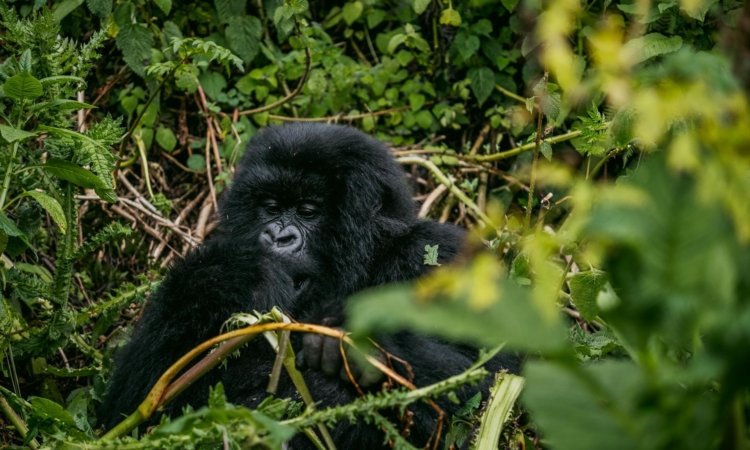
Uganda gorilla trekking safari tours give travelers the chance to walk into the rainforest and spend one hour face to...
 Request Price
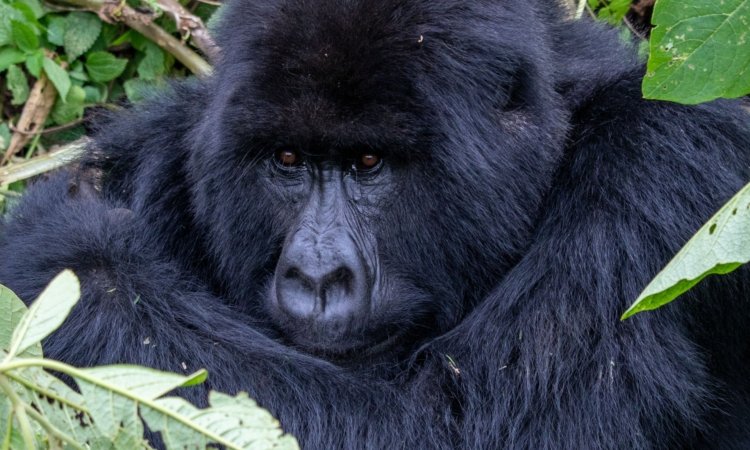
Rwanda gorilla trekking safari tours give travelers a rare chance to spend one hour with wild mountain gorillas in the...
 From USD 200 Per Day
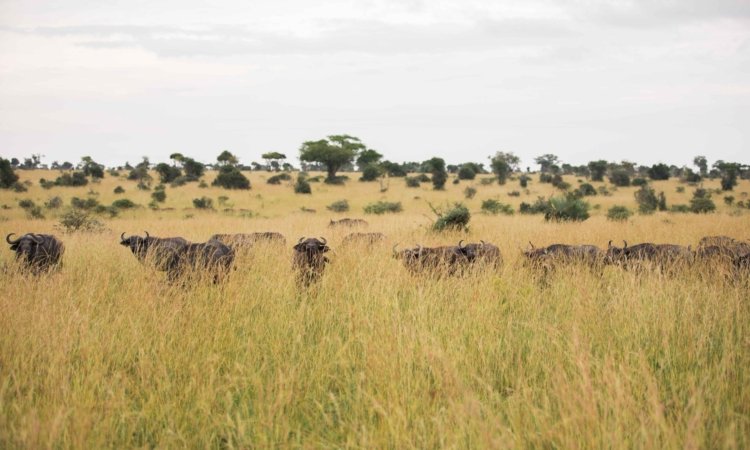
Explore Uganda's national parks for gorilla trekking, chimpanzee tracking, Big Five wildlife viewing, and mountain climbing adventures.
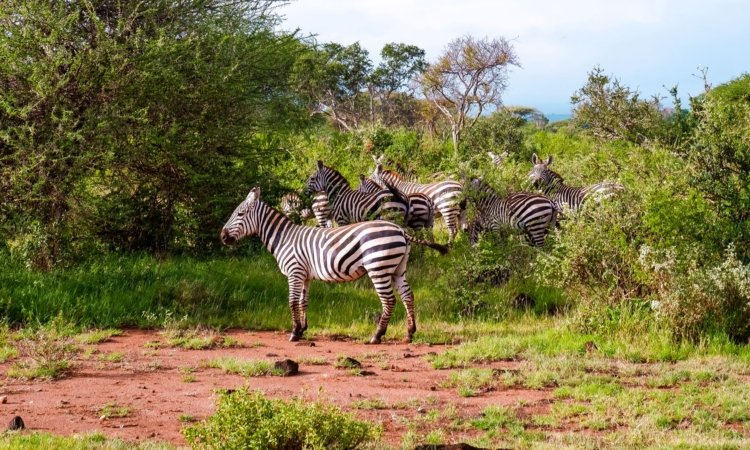 From USD 250 Per Day
Trek gorillas in Volcanoes National Park, spot the Big Five in Akagera, and explore Nyungwe's canopy walk in Rwanda.
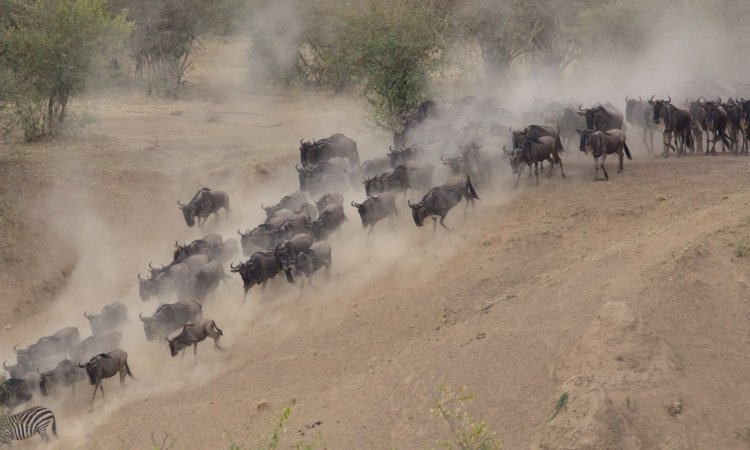 From USD 200 Per Day
Explore Uganda, Kenya, Tanzania, and Rwanda's top parks for Big Five wildlife, gorilla trekking, and unforgettable mountain climbing adventures.
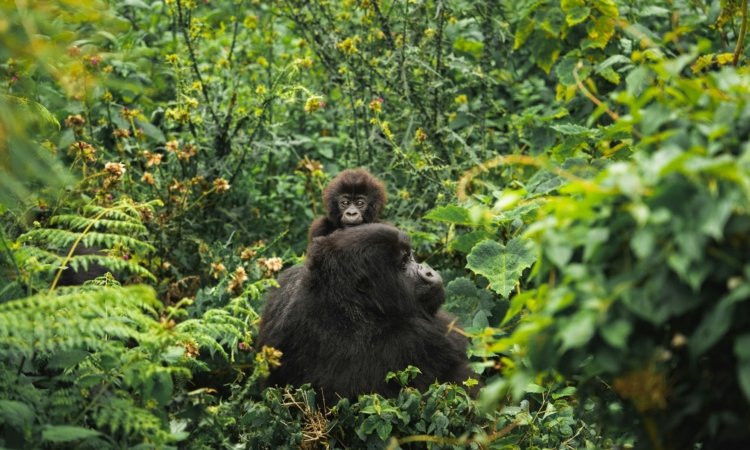 From USD 350 Per Day
Uganda's $800 permits and low-season discounts make gorilla trekking more affordable in both Uganda and Rwanda without sacrificing quality.
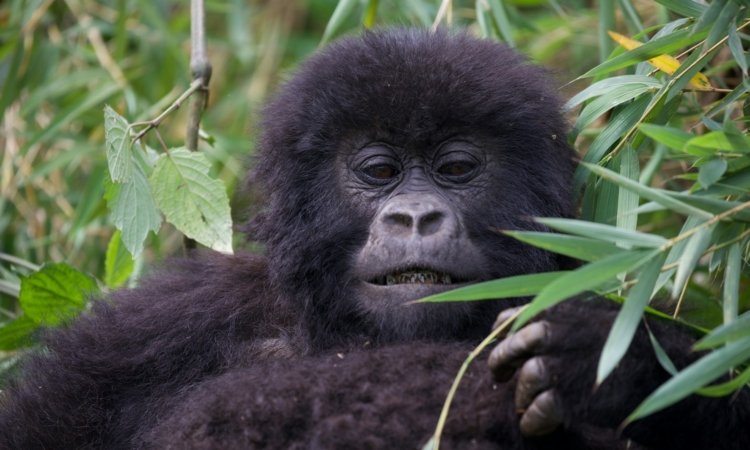 From USD 900 Per Day
Luxury gorilla trekking in Uganda or Rwanda combines top lodges, private flights, and comfortable transport for an elevated safari experience.
 From USD 700 Per Day
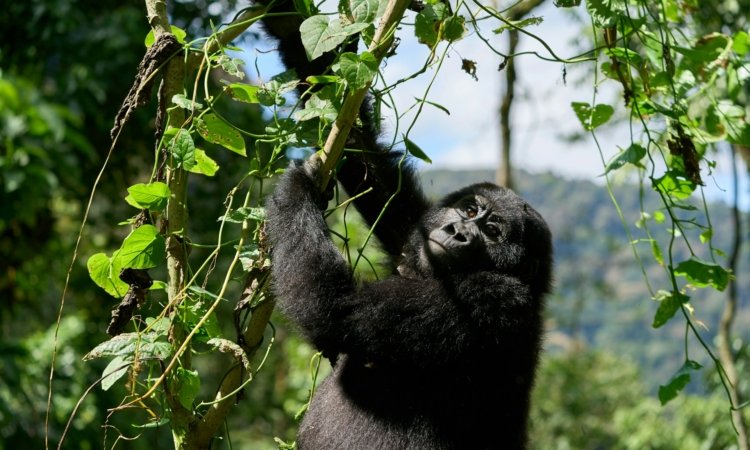
Trek difficulty depends on your assigned family's location, with permits costing $1,500 during Rwanda's dry season.
 From USD 400 Per Day
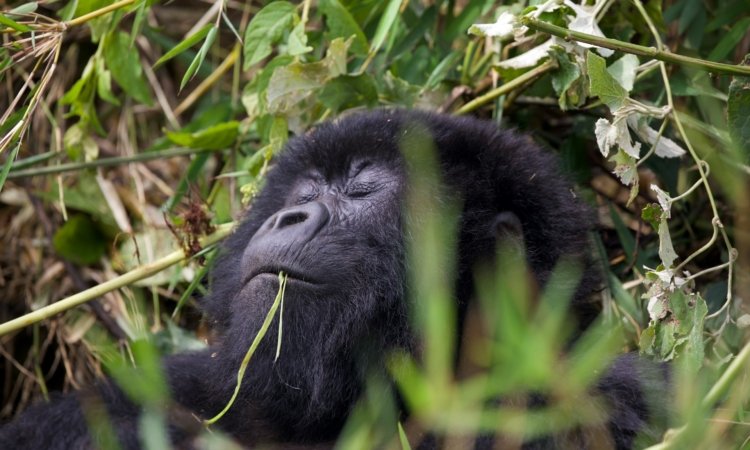
Trek the Nyakagezi family, hike three Virunga volcanoes, or track golden monkeys in Uganda's quieter, more intimate gorilla park.
 From USD 1500 Per Person
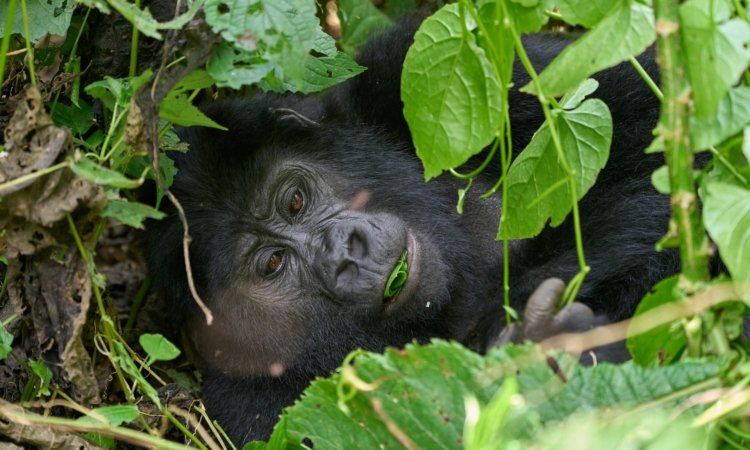
Uganda's Rushaga gorilla habituation experience in Bwindi Impenetrable National Park rewards you up to 4 hours with gorillas.
Read what our clients have to say about us. You can read even more reviews on TripAdvisor.





We plan gorilla treks that are enjoyable and affordable, because we love gorilla trekking as much as you do.
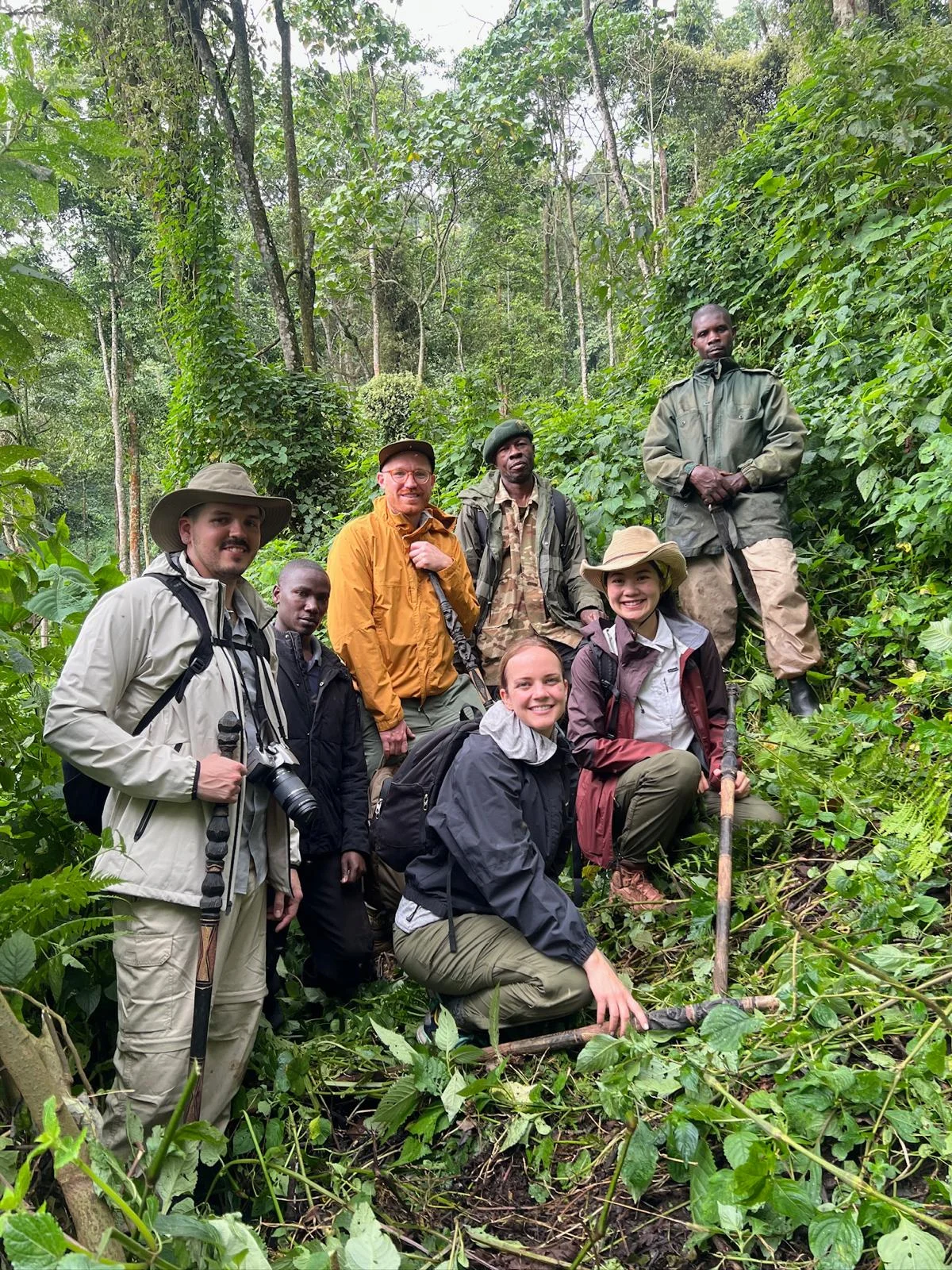
We are a gorilla trekking operator, agency, and Destination Management Company (DMC) based in Kampala, Uganda. Our Uganda Tourism Board license number is UTB/RTT/TO/2023/100931.
Read moreAlong with our carefully planned gorilla trekking packages and years of experience, we offer flexible and friendly booking terms.
We promise to plan, handle, and manage your gorilla trek carefully and correctly, from start to finish.
We are committed to excellent service and to making every gorilla trek as smooth as possible.
We profit from gorilla trekking tourism, and we make sure others do too. A portion of our profits supports single mothers in communities near the gorilla parks.
We plan your gorilla trek the right way, starting with a clear and simple planning process.
We listen to your gorilla trekking needs, then recommend and advise on the best options for your trip.
We talk through your options, match you to the right gorilla trekking itinerary, and refine it based on your feedback.
We confirm your gorilla trekking booking and handle reservations while we finalize any remaining details.
Call us now or book a video call, and we'll help you plan your gorilla trekking safari.