Golden monkey trekking in Volcanoes National Park, Rwanda, costs $100 per permit and offers visitors an up close look at this striking monkey species. Scientifically called Cercopithecus mitis kandti, golden monkeys are only found in the Virunga ranges, meaning it’s almost impossible to see them anywhere else in the world. Like many other primates, this species is endangered, with an estimated population of about 4,000.
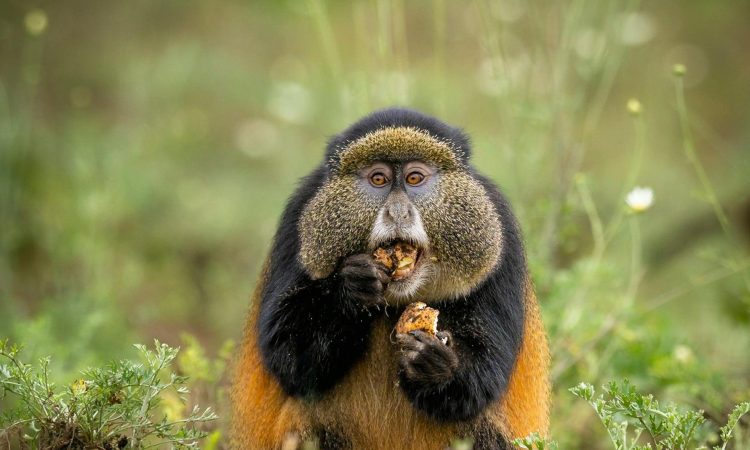
As their name suggests, golden monkeys have distinctive golden colored fur. They live in groups called troops and display unique behaviors that make them fascinating to watch. Many tourists find them very charming, and golden monkeys are generally peaceful, showing little discomfort around visitors. Curious how this fits into a bigger trip? Take a look at our Rwanda primate safaris.
Golden Monkey Troops and Behavior
Rwanda’s conservation authorities have done strong work protecting golden monkeys, and they remain a major draw for visitors. Troops usually consist of up to 100 individuals or fewer, which makes tracking them manageable and exciting. Each troop typically has an alpha male, and within troops you’ll often see mothers with their babies, whose interactions are enjoyable to watch. Researchers studying conservation also find it easier to track and study specific traits within these smaller groups.
Habitat and Diet
Volcanoes National Park is the main habitat for golden monkeys in Rwanda. The park’s volcanic highlands have fertile soil that supports bamboo growth, and golden monkeys rely heavily on bamboo, particularly its young leaves and shoots, as a major part of their diet. They also eat young bamboo branches. Because bamboo is so important to their survival, Rwanda’s conservation agencies work to protect existing bamboo and plant more to sustain the population.
Golden monkeys live in the forests of Volcanoes National Park, part of the larger Virunga region.
What to Expect on the Trek
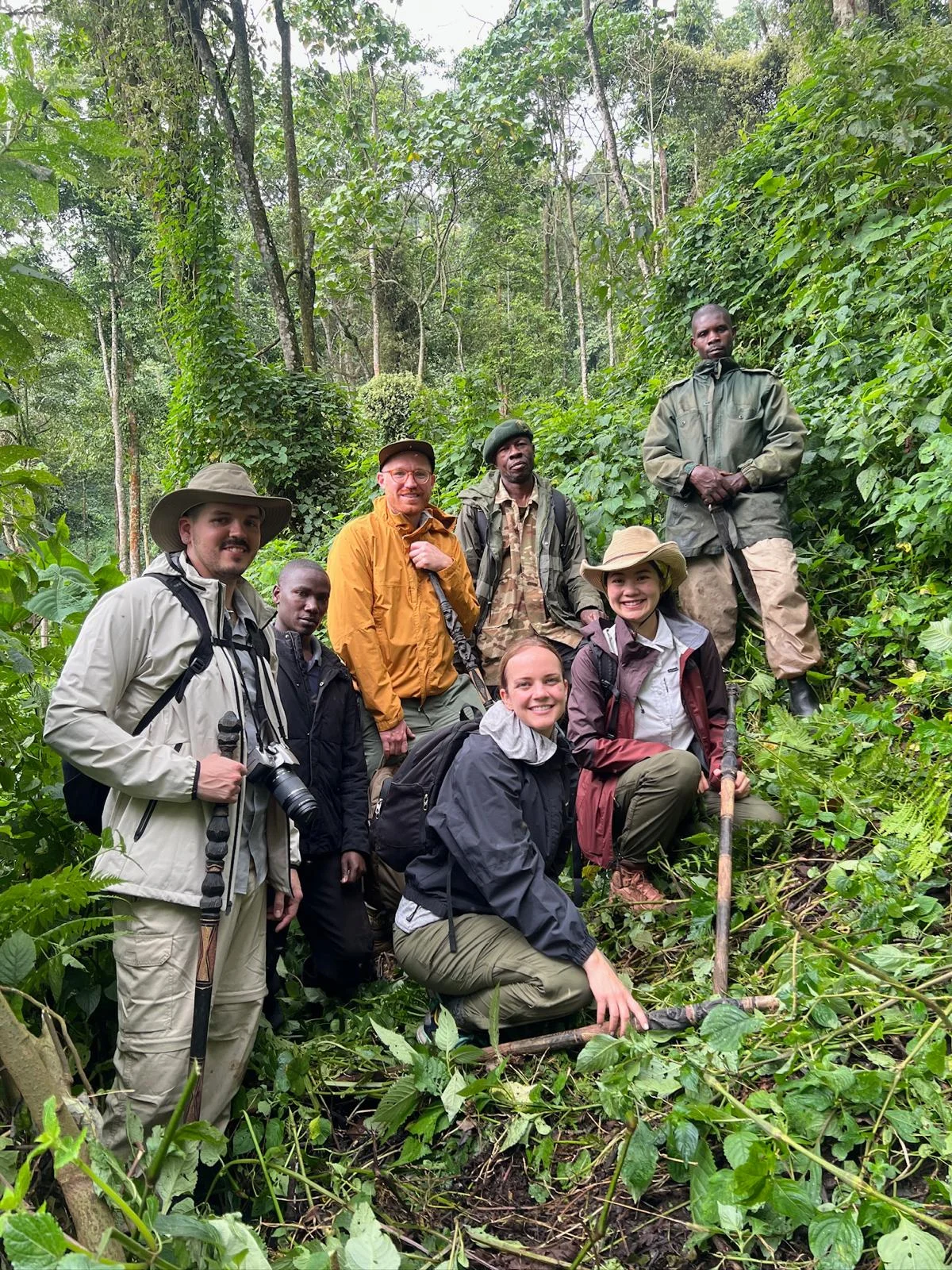
Golden monkey trekking is an enjoyable activity for most travelers and comes highly recommended. The trekking permit costs around $100. Bamboo usually grows at lower altitudes, so visitors don’t have to do much climbing, making the trek considerably less demanding than a full hiking experience.
The lower areas of the highlands have easier terrain, making trekking more accessible. Unlike some other monkey species that migrate often, golden monkeys tend to stay in the same area for extended periods, which makes tracking them easier, since they don’t build new nests every day.
With the help of a park ranger, tracking becomes even easier, using fresh signs of feeding activity as clues. Trekking sessions begin in the morning, and there is usually only one session per day to keep tracking manageable.
What to Bring and Who Can Join
It’s recommended that visitors be at least 12 years old to join the trek. Since the trek can take hours, tourists should bring drinking water. Because Volcanoes National Park sits in the tropics, rain can occur unexpectedly, so it’s a good idea to carry a raincoat.
Golden monkeys are easily found in bamboo plantations, and watching them up close offers great opportunities for photography, since they aren’t bothered by camera flashes. The experience can last for hours, giving tourists the chance to watch the monkeys foraging and going about their natural behaviors.
To make the most of this experience, it helps to be reasonably fit for the length of the trek.