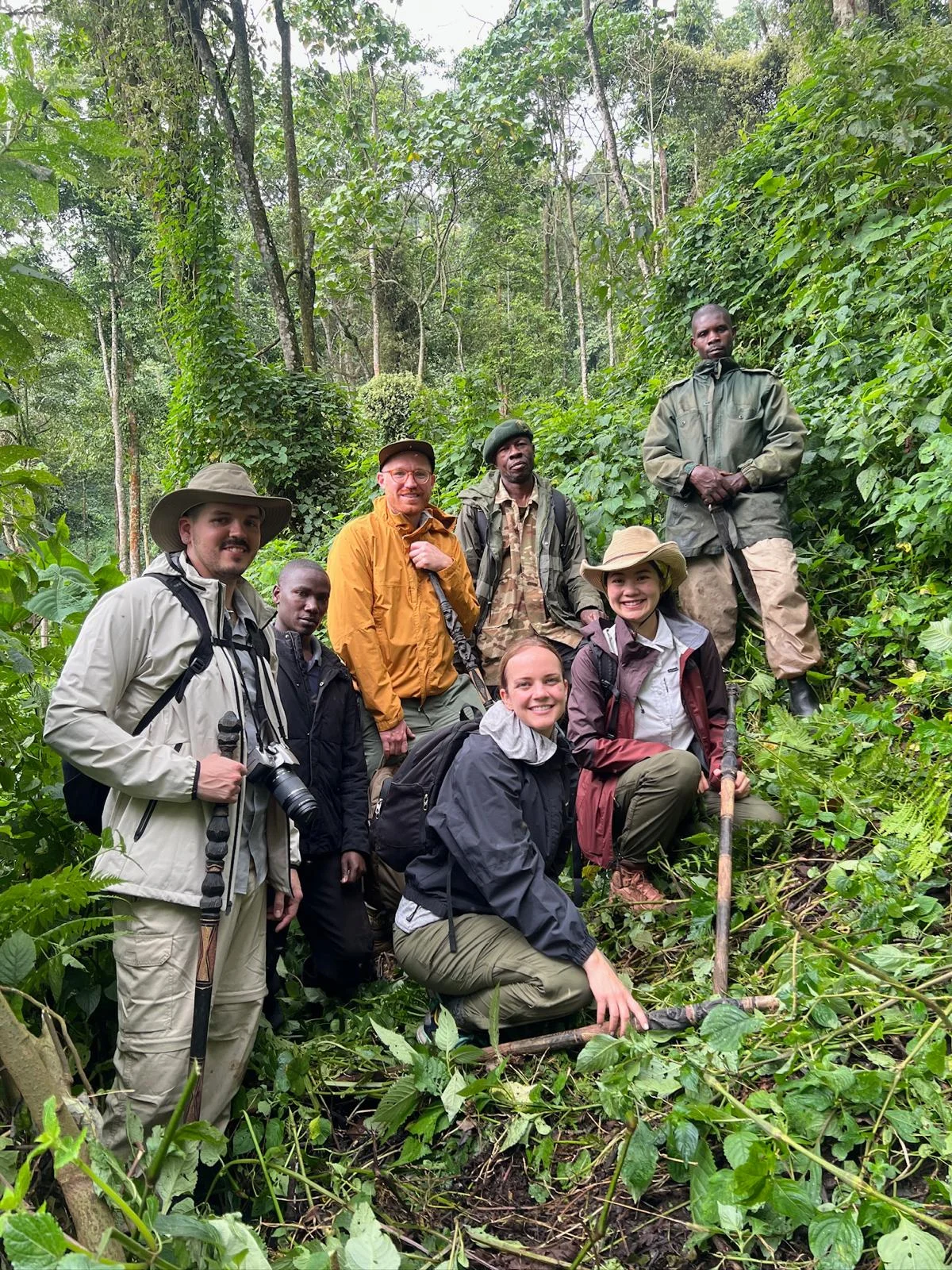

Gorilla trekking is one of the most exciting wildlife experiences in Africa, but it is a physically demanding activity that takes place in steep, high-altitude rainforest. Because of this, gorilla trekking while pregnant comes with real risks, and it is generally not recommended. Most tour operators and park authorities advise pregnant women to wait until after giving birth before attempting this activity, and it is always best to consult your doctor before making any final decision.
If you still wish to go ahead, careful planning can help make the experience safer and more comfortable.
Inform the Park Authorities and Your Tour Operator Early
If you plan to trek while pregnant, you should inform the park wardens or your tour operator well in advance of your visit. This allows them to arrange a suitable driver, assign you to an appropriate gorilla family, and put other arrangements in place for your comfort and safety.
You should also mention that you are pregnant during the morning briefing, when trekking guidelines are shared and groups are assigned. Group allocation takes age, fitness, and pregnancy into account. Younger, fitter tourists are often placed in more challenging trekking groups, while older visitors or those with health considerations, including pregnant women, are placed in groups assigned to gorilla families that are easier to reach.
Using a Sedan Chair Stretcher
If trekking becomes too difficult at any point, a sedan chair stretcher is available as an option. Porters carry you to the gorillas and back to the starting point, and you are only asked to walk once you are set down to spend your one hour observing the gorillas. This service costs $400 per person, though the price can vary depending on distance and other factors.
Getting to the Park
If you are pregnant and planning to trek mountain gorillas in Uganda, it is worth considering a flight to the park rather than a road transfer. Bwindi Impenetrable National Park and Mgahinga Gorilla National Park are around 10 to 12 hours by road from Entebbe International Airport, and this long journey can be uncomfortable and tiring for a pregnant woman. Flying to Kisoro or Kihihi Airstrip takes about 2 hours instead.
Once you land, it is best to continue to your lodge by land cruiser. This offers a smoother, more comfortable ride, even though it costs more than other vehicle options.
When booking your gorilla permit, consider choosing the Buhoma or Rushaga sector, as these areas are home to gorilla families that tend to be easier to locate, which can shorten the overall trekking time.
Risks of Trekking While Pregnant
There are two main risks to be aware of. First, mountain gorillas live in areas with steep slopes and challenging terrain, and trekking requires real physical effort. This level of exertion may be too much for a pregnant woman and could potentially increase the risk of complications, including miscarriage. Second, gorilla parks sit within tropical and subtropical rainforest, where weather can change quickly. Heavy rain can make trails slippery and increase the chance of falls, adding further risk to an already demanding hike.
Given these risks, gorilla trekking while pregnant is not generally recommended, and waiting until after giving birth is the safer choice.
That said, if you are set on trekking while pregnant, informing the park authorities or your tour operator as early as possible will help them arrange the safest and most comfortable options available to you.