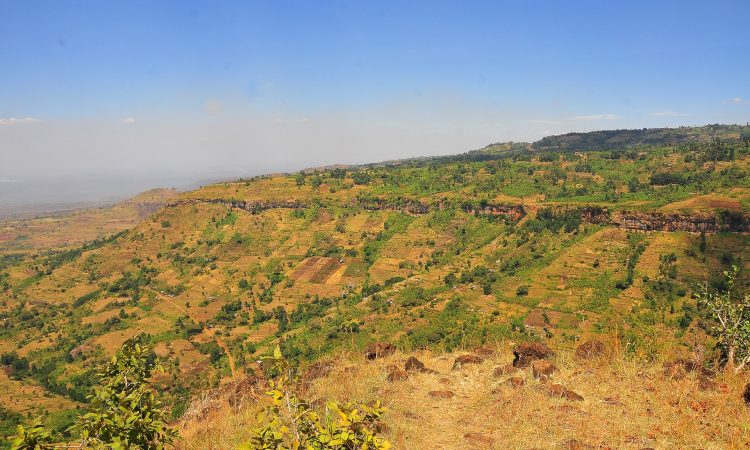
Mount Elgon National Park is located in the eastern part of Uganda, covering an area of 1,110 square kilometers. It is situated on the border between Uganda and Kenya and was established in 1992. The first European to circumnavigate the mountain was C.W. Hobley, in 1896.
In 1890, Jackson Martine and E. Gedge ascended to Sudek Peak, and in 1911, Stigler and Kmunke became the first to reach the Koitobos and Wagagai Peaks.
This park is one of the pristine destinations you can visit on your safari in Uganda.
Mount Elgon National Park derives its name from the extinct shield volcano located within the park. Mount Elgon is believed to have been the highest mountain in Africa before millennia of erosion reduced its height to 4,321 meters above sea level.
The mountain is thought to have first erupted 24 million years ago, making it one of the oldest physical features in Africa.
Mount Elgon boasts the largest volcanic base in the world and has unique vegetation patterns, including montane forests, bamboo zones, moorland zones, groundsels, and giant lobelias.
Top Things to See and Do in Mount Elgon National Park
Climbing Mount Elgon: Mount Elgon has four peaks, with Wagagai the highest at 4,321 meters. The second peak is Sudek at 4,303 meters, followed by Koitobos at 4,222 meters, and finally Mubiyi at 4,210 meters.
There are three established trails on Mount Elgon, each offering a unique experience for climbers. The Sipi Trail starts at the Kapkwai Forest Exploration Center and takes four to six days, depending on the pace of the hikers, passing by waterfalls, caves like Tutum Cave, and the caldera, with wide views of the mountain and surrounding areas. The climb is gentle at first but becomes tougher near the top.
Starting from Kapkwata village, the Piswa Trail is the longest but easiest trail, offering views of Kapenguria and Nandi Hills in Kenya, along with the expansive Karamoja plains to the north. Wildlife and hot springs are common along this trail, and the round trip takes about seven days.
The Sasa Trail, starting from Budadiri village, is the shortest route, taking four days, though it is also the toughest. The trail passes through the Bamasaba settlements and farms, leading to a challenging climb on the first day, with hikers encountering Jackson’s Pool before proceeding to Wagagai Peak.
Jackson’s Pool: This natural pool was named after Frederick Jackson, the first explorer to ascend Sudek Peak. The pool sits at an elevation of 4,050 meters above sea level in the lowlands of Jackson’s Peak, which rises approximately 165 meters.
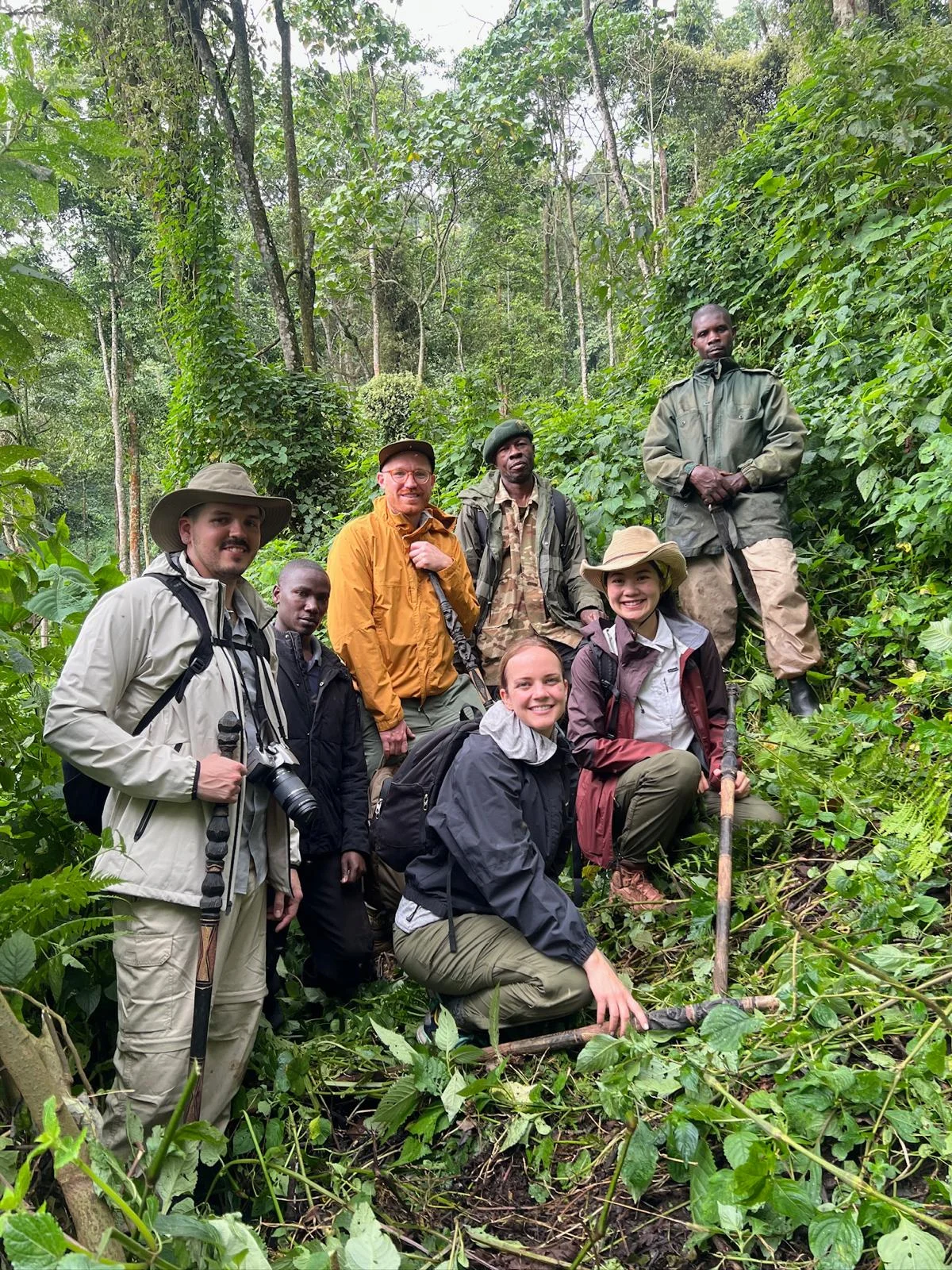
Wildlife: Mount Elgon National Park is home to various animals, including civets, leopards, bush pigs, bushbucks, oribis, waterbucks, duikers, spotted hyenas, and aardvarks. The park is also inhabited by primates such as black and white colobus monkeys, De Brazza’s monkeys, olive baboons, blue monkeys, squirrels, and red-tailed monkeys. While the wildlife viewing experience here may not match that of other Ugandan national parks, it is still worth exploring.
Birding: Mount Elgon National Park hosts over 300 bird species, 40 of which are restricted to this area. Notable species include the moustached green tinkerbird, moorland francolin, alpine chat, black-collared apalis, Jackson’s francolin, lammergeier, black-shouldered kite, tacazze sunbird, Chubb’s cisticola, white-chinned prinia, African goshawk, African blue flycatcher, chinspot batis, Mackinnon’s fiscal, Lühder’s bushshrike, Baglafecht weaver, and many more.
Forest Exploration Center: The Forest Exploration Center is located at Kapkwai, near Sipi Town. This forest is vital for study and research, particularly for schools. The hike to the caldera begins here and passes through Sipi Falls. Bird species such as the grey cuckoo-shrike, dusky turtle dove, black-throated wattle-eye, eastern bronze-naped pigeon, yellow warbler, and thick-billed honeyguide can be spotted along this trail.
Cultural Tourism: The slopes of Mount Elgon are home to the Sabiny and Bagisu (BaMasaba) people. The Bagisu refer to Mount Elgon as Mount Masaba, and they are renowned for their Kadodi dance, performed during male circumcision ceremonies as a rite of passage into manhood. The Sabiny, on the other hand, practice female circumcision. Visitors can explore the villages to learn about the local coffee making process, from farm to cup, as well as witness circumcision ceremonies.
Sipi Falls: The rivers on Mount Elgon cascade into waterfalls along the basalt cliffs. The most famous of these are the three dramatic Sipi Falls. The highest falls from a 100 meter cliff, while the second and third are 87 and 69 meters high, respectively. These waterfalls are located in Kapchorwa Town, about an hour’s drive from Mbale Town. Tourists can also hike to Tewei Hill, which offers wide views of Wagagai Peak and the Karamoja plains.
Mountain Biking: Mountain biking on Mount Elgon is an amazing experience. Riders can travel from Sipi Trading Center to Chema Hill in Kapchorwa Town, enjoying scenic views along the way. For an unforgettable adventure, visitors can climb Mount Elgon by bike, with bikes and equipment available for hire from Sipi River Lodge.
Nature Guided Walks: Nature walks on Mount Elgon include visits to the Mudange Cliffs, also known as the “Walls of Death.” These trails offer panoramic views and encounters with primates such as black and white colobus monkeys and olive baboons, along with numerous bird species.
Caves: Mount Elgon features many natural caves, including Kapkwai Cave, Tutum Cave, Mude Cave, Hunters Cave, and Siyo Cave, among others, waiting to be explored.
Accommodation: Where to Stay
Although there is no accommodation within the park itself, nearby towns like Mbale and Kapchorwa offer excellent options, including Mount Elgon Hotel and Spa, Sipi River Lodge, and Mbale Traveler’s Inn, among others.
Getting There
Mount Elgon National Park is accessible from Kampala, Uganda’s capital, within four hours by road via Jinja Town.
Interested in more of what Uganda has to offer? Browse our Uganda tour packages.