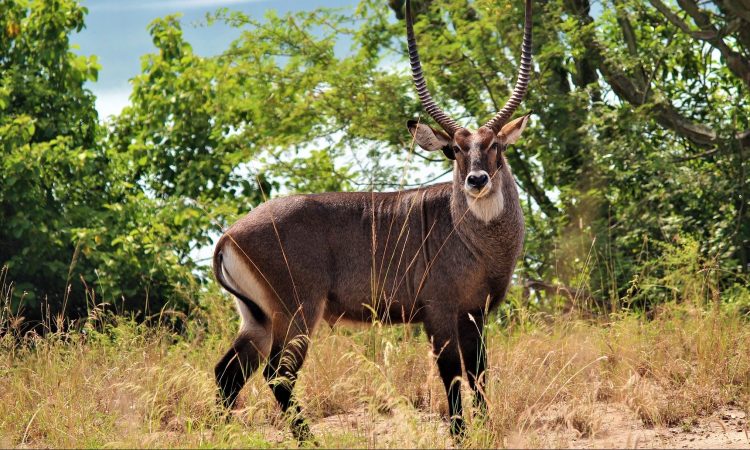

Planning to visit Bwindi Impenetrable Forest in Uganda? Bwindi Impenetrable National Park is located in the southwestern part of Uganda, covering 331 square kilometers. It is home to over 348 species of recorded birds, 220 species of butterflies, 120 species of mammals, 10 species of ferns, 163 species of trees, and over 1,000 species of flowering plants.
Bwindi Impenetrable National Park is recognized as a World Heritage Site by UNESCO. The park was established in 1991 to protect the endangered mountain gorillas.
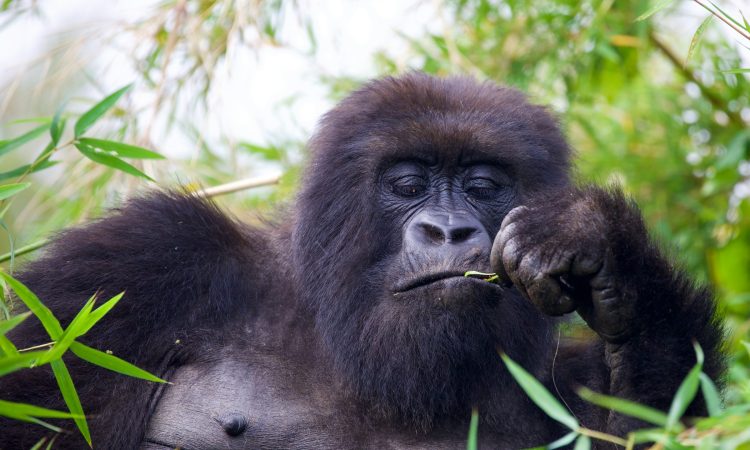
This national park harbors half of the world’s remaining mountain gorillas, with the other half occupying the Virunga ranges. It is a great place for tourists who prefer both budget and luxury treks.
Explore our Uganda gorilla safari packages to see how a trip to Bwindi fits in your itinerary plans.
Top Things to Do in Bwindi Impenetrable Forest
Bwindi Impenetrable Forest dates back over 25,000 years and survived the ice age.
There are a lot of activities tourists can enjoy while in Bwindi. See some of them below.
Gorilla Trekking in Bwindi
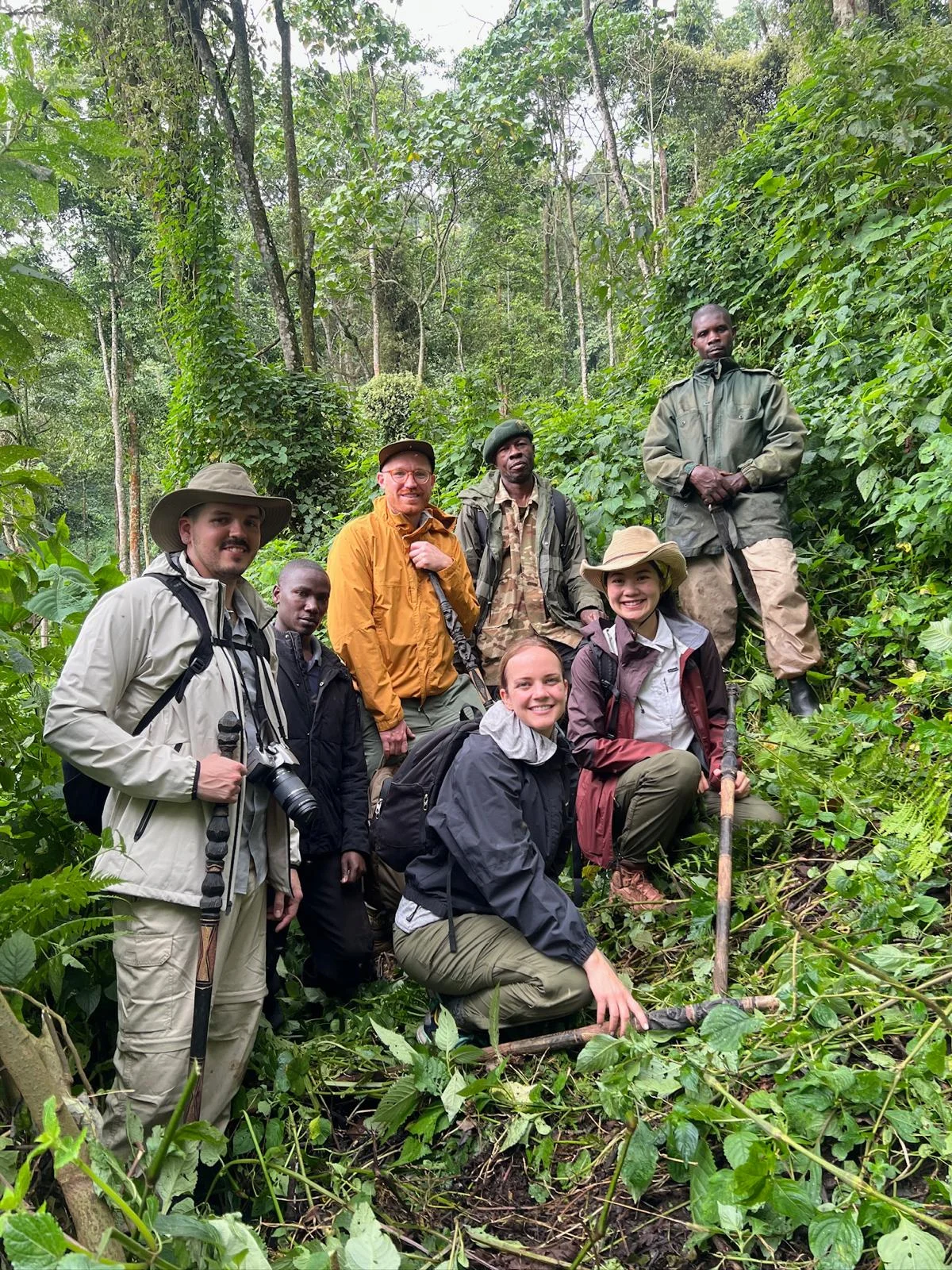
Bwindi gorilla trekking is the main activity in the park. The park has 15 gorilla groups habituated for tourist purposes. There are four areas for trekking gorillas in Bwindi: Nkuringo sector, Buhoma sector, Ruhija sector, and Rushaga sector. Eight habituated gorilla families can be visited by visitors daily; the rest of the groups are still being habituated, and you can join the gorilla habituation experience. See our Bwindi gorilla trekking tours here.
Gorilla Habituation
Gorilla habituation involves tourists joining researchers in the gorilla habituation process. The sole purpose of habituation is to train gorillas to get used to human presence so that they can be easily trekked by tourists after a period of time. This activity takes 4 hours, unlike the usual gorilla trekking, which takes only 1 hour.
You can learn a lot about mountain gorillas and their behaviors, though it involves an extra cost; the experience is fascinating and worth it. The maximum group size for gorilla habituation is 4 members.
Bird-watching
Bwindi Impenetrable National Park is endowed with over 348 species of birds, with 23 endemic to this area. Birds in Bwindi Impenetrable National Park include the Rwenzori nightjar, yellow-eyed black flycatcher, collared apalis, dusky crimsonwing, red-faced woodland warbler, black-and-white-casqued hornbill, African green broadbill, purple-breasted sunbird, Archer’s robin-chat, dwarf honeyguide, Shelley’s crimsonwing, stripe-breasted tit, Grauer’s swamp warbler, Kivu ground thrush, handsome francolin, regal sunbird, masked apalis, African wood owl, montane oriole, western green tinkerbird, Doherty’s bush shrike, short-tailed warbler, red-throated alethe, chestnut-throated apalis, and fine-banded woodpecker, to mention a few.
Cultural Experience with the Batwa
The Batwa community lived in Bwindi Impenetrable Forest for thousands of years. The forest people were hunter-gatherers, depending on the forest for shelter, food, and medicine. They were forced to leave the forest and now live alongside the Bakiga community outside the park.
Both communities have unique cultures and traditions, distinct from other parts of the world, that visitors can explore. You can see how the Batwa use different tree stems and roots to treat various ailments, visit the blacksmith, learn how to weave baskets, and get entertained with local traditional dances and songs under the African night sky after a gorilla trekking day.
Hiking and Nature Walks
Nature walks in Bwindi give visitors the chance to explore the ancient forest further. Several walking and hiking trails have been set up for these activities.
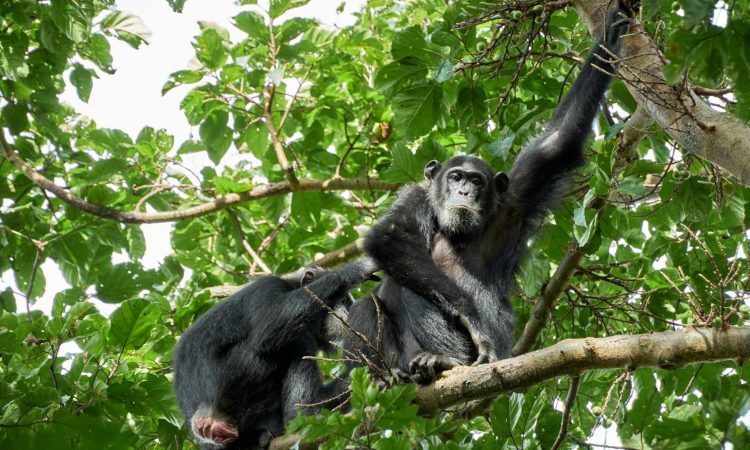
During the walks, you will spot other primates in Bwindi besides gorillas, such as red-tailed monkeys, olive baboons, blue monkeys, vervet monkeys, black-and-white colobus monkeys, L’Hoest’s monkeys, and many others, along with various bird species, butterfly species, and plant life.
Some of the trails include the Muzabajiro loop trail, Munyaga River trail, bamboo trail, waterfall trail, and Rushura hill trail. All these trails lead to unique and rewarding destinations you will love.
Mountain Biking
There is a 13-kilometer biking trail in Bwindi that runs from the Buhoma sector to the Ivi River. This trail offers opportunities for wildlife watching, including bushbucks, bush pigs, and primates like black-and-white colobus monkeys and blue monkeys, with plenty of birds to be seen along the way. The round trip takes roughly 6 to 7 hours.
The Four Sectors of Bwindi Impenetrable National Park
Bwindi Impenetrable National Park has four sectors:
Nkuringo Sector
The Nkuringo sector of Bwindi Impenetrable Forest National Park is located in the southern part of the park. This sector is home to the famous Nkuringo gorilla family, well known in Bwindi for its playful behavior thanks to the many juveniles in the group.
The Nkuringo sector provides spectacular views of the famous Virunga volcanoes, shared between Uganda, Rwanda, and the Democratic Republic of Congo. This sector suits young, energetic travelers, since the Nkuringo gorilla family lives at higher elevations, making the trek more challenging. Occasionally, the Bushaho gorilla family also crosses into the Nkuringo sector from the Rushaga sector.
Rushaga Sector
The Rushaga sector of Bwindi Impenetrable Forest National Park is located in the extreme southern part of the park, near Mgahinga Gorilla National Park, making it easily accessible from Rwanda. This sector is home to several gorilla families. Since this sector works well for travelers combining both countries, take a look at combined East Africa tours.
The habituated gorilla families in the Rushaga sector include the Bweza, Busingye, Mishaya, Kahungye, and Nshongi gorilla families. Rushaga also offers gorilla habituation experiences with the Bikingi and Bushaho gorilla families. This is the most popular sector for gorilla trekking from Kigali.
Ruhija Sector
The Ruhija sector of Bwindi National Park is located in the eastern part of the park and is home to three gorilla families: the Oruzogo, Bitukura, and Kyaguriro gorilla families. Ruhija offers adventurous hiking and interesting trails, with a good chance to see plenty of wildlife.
The Ruhija sector can also be reached from Kihihi airstrip if you plan to fly in. It is also close to the Ishasha sector of Queen Elizabeth National Park, famous for tree-climbing lions, about a four-hour drive away.
Buhoma Sector
The Buhoma sector of Bwindi is situated in the northern part of the park and is one of the most visited sectors. It is home to the first gorilla family ever habituated in the park: the Mubare gorilla family, habituated in 1992, soon after Bwindi was established. Other gorilla families in the Buhoma sector include the Rushegura and Habinyanja families. This sector is also close to the Ishasha sector of Queen Elizabeth National Park and Kihihi airstrip.
Buhoma is known for having the most upmarket lodges for tourists. It also has several hiking and nature walk trails, including the Munyaga River trail, Ivi River trail, Muzabajiro loop trail, and Rushura trail, offering panoramic views and some of the best picnic sites, with plenty of wildlife and birds to be seen.
Best Sector for Gorilla Trekking in Bwindi
It is not easy to say which sector is the best, since each has its own advantages and drawbacks. Where you trek depends mostly on the availability of gorilla permits.
The Rushaga Sector of Bwindi: Most Travelers’ Choice
Many travelers say Rushaga is the best sector for gorilla trekking. This sector has beautiful views and is also the only place where tourists can take part in gorilla habituation.
Rushaga is a strong choice because you can do both gorilla habituation and gorilla trekking there.
It is also easy to reach Rushaga from Kigali, Rwanda, which makes it popular with tourists starting their trip in Rwanda.
Rushaga has the highest number of habituated gorilla families in Bwindi, so it tends to have more permits available compared to sectors like Buhoma. Because of the number of families, it is often easier to find a permit in Rushaga.
Bwindi Gorilla Families and Groups
Top mountain gorilla families in Bwindi Impenetrable National Park:
Nshongi gorilla family: The Nshongi gorilla family is located in the Rushaga sector of Bwindi Impenetrable Forest National Park. The family takes its name from the Nshongi River, where it was first sighted by rangers. The Nshongi family had 35 members at the time of habituation, but the number later dropped when Mishaya broke away with 10 members to form his own family. The group split again when Bweza broke away to form his own family; the group is now dominated by the silverback Nshongi.
Rushegura gorilla family: The Rushegura gorilla family is dominated by the silverback Kabukojo. The group formed after breaking away from the Habinyanja gorilla family when the dominant silverback, Mugurusi, died. This family is easy to trek in Bwindi, as it is sometimes seen around the park headquarters, Batwa villages, and Buhoma camp.
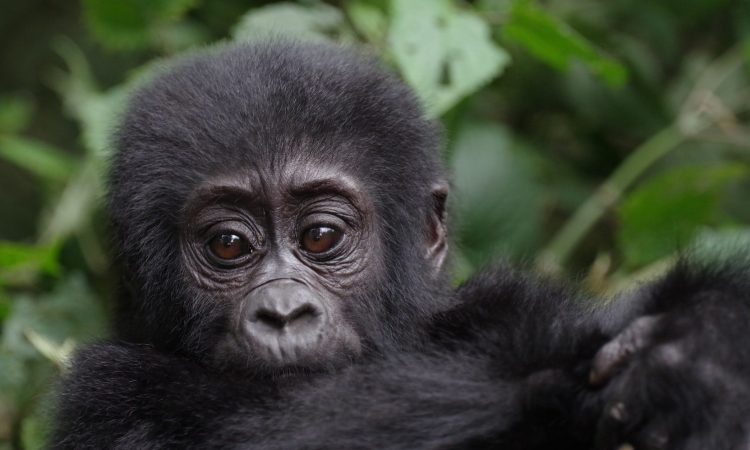
Nkuringo gorilla family: The Nkuringo gorilla family is found in the Nkuringo sector of Bwindi. The family was first dominated by the silverback Nkuringo, but leadership passed to his son, Safari, after his death. This is one of the gorilla families in Bwindi that has been blessed with a pair of twins.
Habinyanja gorilla family: The Habinyanja gorilla family is one of the oldest mountain gorilla families in Bwindi. It was habituated in 1997 and opened for tourism in 1999. The family takes its name from the area where it was first spotted, and was dominated by the silverback Mugurusi (meaning “old man”). Mwirima, son of Mugurusi, broke away to form his own family, now known as the Rushegura family.
Mubare gorilla family: The Mubare gorilla family is the oldest habituated mountain gorilla family in Uganda. It was first habituated in 1991 and opened for tourism in 1993. This family can be trekked in the Buhoma sector of Bwindi. It takes its name from the Mubare hills, where the group was first sighted by rangers.
Oruzogo gorilla family: The Oruzogo gorilla family was opened for tourism on June 20, 2011. This family can be trekked in the Ruhija sector of Bwindi and is dominated by the silverback Tibirikwata. The family currently has 23 members. It was blessed with twins in 2012, when the female Kabobe gave birth.
Bitukura gorilla family: The Bitukura gorilla family is found in the Ruhija sector of Bwindi. Notably, this group is dominated by a young silverback, Ndahura, which is uncommon among gorilla families, since the oldest silverback usually leads the group.
Mishaya gorilla family: The Mishaya gorilla family formed when the silverback Mishaya broke away from the Nshongi family with several females to start his own group. Mishaya is known for fighting other groups to expand his own.
Busingye gorilla family: The Busingye gorilla family formed when Busingye broke away from the Kahungye gorilla family to start his own group. This family was opened for tourism in 2011 and is found in the Rushaga sector of Bwindi. Its name means “peace” in the local language.
Kahungye gorilla family: The Kahungye gorilla family was opened for tourism in 2011 and can be trekked in the Rushaga sector of Bwindi. It takes its name from the Kahungye hills, where it was first sighted. The family originally had 27 members before some individuals broke away to form a new family, and it is now led by the silverback Gwigi.
When to Visit Bwindi
Mountain gorillas in Uganda can be trekked all year round, but the best time to visit is from June to September and December to February, during the peak seasons. See our full best time to visit Uganda guide for more detail.
During these months, the hiking trails are easier to manage, and there is little rain to disrupt gorilla trekking.
Visiting in the rainy season requires tourists to come prepared with long-sleeved clothing, good hiking boots, garden gloves, energy snacks, raincoats, insect repellent, and other essentials.
For bird lovers, the best time to visit Bwindi is from November to April, when migratory birds are present in the park.
Bwindi Gorilla Permits
Gorilla permits in Uganda cost USD 800 per person for foreign non-residents, and gorilla habituation costs USD 1,500 per person.
During peak season, tourists are encouraged to book gorilla permits 3 months in advance due to high demand.
When booking a permit, you will need to arrange accommodation in the same area where you will be trekking gorillas.
Map of Bwindi Impenetrable National Park
Below is a Map of Bwindi Impenetrable National Park showing all its sectors and neighboring surroundings.

Advantages of Gorilla Tourism in Bwindi
Gorilla tourism in Bwindi Impenetrable National Park has created employment opportunities. Many people work in the park as game rangers, wardens, and guides, and the lodges hosting tourists have created further jobs.
Gorilla tourism has also contributed to the conservation of endangered mountain gorillas. Gorilla doctors and researchers have been able to study and learn more about mountain gorillas through gorilla tourism.
The regular presence of trekkers also helps deter poachers.
Gorilla tourism in Bwindi generates revenue through the sale of gorilla permits, making tourism a significant source of foreign exchange for Uganda.
Gorilla tourism has also helped market Uganda as a travel destination. Through gorilla tourism, many tourists go on to visit other national parks in the country, such as Kidepo Valley and Queen Elizabeth, with the help of tour operators marketing the country.
Gorilla trekking in Bwindi has supported community development, including the construction of roads, schools, and hospitals in communities surrounding the park.
Mountain gorillas benefit the wider ecosystem as well. They disperse the seeds of the fruit they eat throughout the forest. As the seedlings grow, they replenish the forest and support other animals, including gorillas, as well as humans living near gorilla habitats, since these plants help sustain the environment. See our full breakdown of the advantages of gorilla tourism in Bwindi.
Importance of Bwindi Gorillas
Mountain gorillas are essential to the ecosystem: without their daily consumption of large amounts of vegetation, the natural food chain could be disrupted, affecting other animals in the area.
Gorillas also hold great importance for people living near mountain gorilla habitats, who benefit significantly from ecotourism when visitors from around the world come to see these apes.
Countries where gorillas are trekked earn substantial income from gorilla tourism annually.
Gorillas also play a crucial role in seed dispersal within the rainforests they inhabit, creating space for seedlings to grow and replenish the forest. This benefits humans as well, since they depend on this regrowth to help sustain the environment.
Mountain gorillas are also important to the study of the great ape family, which includes humans, and contribute to sustainable tourism and ecological balance.
Getting There
Bwindi Impenetrable National Park can be reached from Kampala within 7 to 8 hours by road. Tourists can also fly into Bwindi from Entebbe International Airport to Kihihi airstrip.
Is It Safe to Visit Bwindi?
Visiting Bwindi Impenetrable National Park is very safe compared to most national parks. You will be accompanied by an armed ranger while trekking mountain gorillas, and the forest itself is safe to explore.
The main risk in Bwindi comes during gorilla trekking. Gorillas are wild animals, so you must stay alert and follow the gorilla trekking rules and regulations to avoid an attack, which could lead to serious injury.
Although visiting Bwindi is safe, you are advised to take precautions against malaria, since this tropical forest is a mosquito breeding ground, especially in the rainy season. You can take antimalarial medication or carry a strong insect repellent to avoid mosquito and other insect bites.
Most hotels within or near Bwindi Impenetrable National Park have security personnel who look after guests’ safety. Tourism police are also stationed in different parts of the park to ensure tourists stay safe while trekking gorillas and are always on standby in case of danger.
Uganda ensures that trekking mountain gorillas in Bwindi is safe, as part of the revenue from gorilla trekking goes toward conservation efforts and safety measures in the park.
Where to Stay in Bwindi
While at Bwindi Impenetrable National Park, tourists can choose from various accommodations, ranging from budget to mid-range and upmarket options.
You should book a lodge near the sector where you will be trekking gorillas from.
Some of the lodges at Bwindi Impenetrable National Park include Rushaga Gorilla Camp, Gorilla Mist Camp, Trackers Safari Lodge, Buhoma Community Lodge, Engagi Lodge, Mahogany Springs Lodge, Sanctuary Gorilla Forest Camp, Lake Kitandara Bwindi Camp, Nkuringo Bwindi Gorilla Lodge, Gorilla Friends Lodge, Clouds Mountain Gorilla Lodge, and Ruhija Gorilla Resort Lodge, among others.