Top Uganda Gorilla Trekking Safaris & Tours 2026/2027
Explore Uganda gorilla trekking safaris and tours below.
Explore Uganda gorilla trekking safaris and tours below.
 USD 1350 Per Person
 USD 1450 Per Person
 from $1250 Per Person
 from $2330 Per Person
 from $1650 Per Person
 Request Price
 from $2500 Per Person
 from $3100 Per Person
 Request Price
 from $4000 Per Person
 Request Price
Uganda gorilla trekking safari tours give travelers the chance to walk into the rainforest and spend one hour face to face with wild mountain gorillas, one of the rarest primates on Earth. A Uganda gorilla trek, sometimes simply called a gorilla hike in Uganda, remains one of the most sought-after wildlife experiences in Africa. With fewer than 1,100 mountain gorillas left in the world, and more than half of them living inside Uganda’s parks, Uganda remains the most affordable and accessible country for this bucket-list gorilla watching trip encounter. This guide covers where to trek, what a Uganda gorilla trekking safari tour includes, permit prices, park rules, the best time to visit, and how to book your trip.
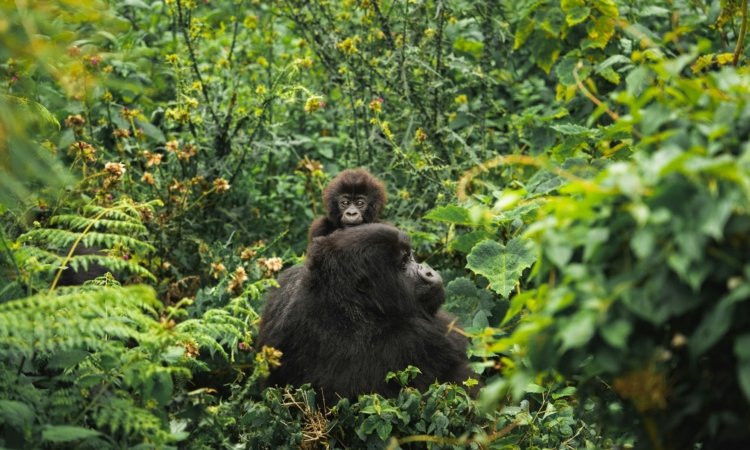
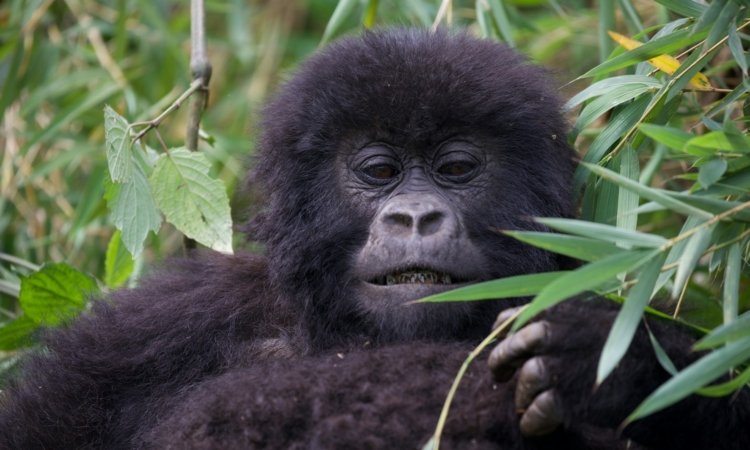
Uganda is home to more than half of the world’s remaining mountain gorillas, most of them living in the Bwindi Impenetrable Forest, a UNESCO World Heritage site known for its dense, ancient rainforest. The Uganda Wildlife Authority has grown the Bwindi gorilla population from 302 individuals in 2005 to 459 by 2019, a result of decades of conservation work, community partnerships, and controlled tourism. This steady growth means Uganda now has more habituated gorilla families and more trekking permits available than any other country in the region, making it a strong choice for anyone comparing an African safari in Uganda against Rwanda or the Democratic Republic of Congo.
Uganda gorilla trekking tours also cost less than trekking in Rwanda while offering a similar experience in equally dense rainforest, which is why budget Uganda safari travelers and luxury travelers alike choose Uganda safaris in Africa for this experience. Beyond gorillas, Uganda combines trekking with other wildlife encounters such as tree-climbing lions in Queen Elizabeth National Park, chimpanzee tracking in Kibale Forest, and boat cruises on the Kazinga Channel, making it possible to build a full Uganda safari holiday around a single gorilla permit. Many travelers also pair a Uganda safari with a short extension into Kenya, building a combined Kenya and Uganda safari or a wider Uganda Rwanda safari that adds a second gorilla trekking country to the same trip.
Bwindi Impenetrable Forest is Uganda’s primary gorilla trekking destination and home to roughly half of the world’s mountain gorilla population. The park is divided into four trekking sectors: Buhoma, Ruhija, Rushaga, and Nkuringo. Each sector has its own habituated gorilla families and its own park headquarters where trekking briefings take place. Buhoma is the most established sector with the widest choice of accommodation, Ruhija sits at higher altitude with cooler weather, Rushaga offers the largest number of gorilla families and the only gorilla habituation experience in Uganda, and Nkuringo is known for tougher terrain and closer views of the Virunga volcanic range. Together these sectors make up what most travelers simply call gorillas in Uganda Bwindi, and a trek in any of them qualifies as a genuine Uganda bwindi gorilla trekking experience.
Mgahinga is Uganda’s smaller gorilla park, located in the southwest corner of the country on the border with Rwanda and the Democratic Republic of Congo. It typically has one habituated gorilla family available for trekking. Because permits here are limited, travelers usually confirm availability well before booking. Mgahinga also offers golden monkey trekking in Uganda, giving visitors two primate encounters within the same gorilla park in Uganda.
A gorilla trekking permit is required before entering the forest, and the Uganda Wildlife Authority controls the number of permits issued each day to protect the gorillas. As of July 2024, permit fees for foreign non-resident visitors rose from $700 to $800 per person. Foreign residents and East African Community citizens now pay $700, up from $500. This is the main driver behind the rising Uganda gorilla trekking cost that travelers see when comparing gorilla trekking Uganda price across operators, since the government permit fee makes up the largest share of any package. The Uganda Wildlife Authority stated that the adjustment followed extensive market research and stakeholder consultations, and that the added revenue funds park operations, ranger patrols, community development projects, and ongoing health monitoring of habituated gorilla groups.
For comparison, a gorilla trekking permit costs $1,500 in Rwanda’s Volcanoes National Park and around $400 in Virunga National Park in the Democratic Republic of Congo, making Uganda a mid-range option for anyone weighing the cost of gorilla trekking in Uganda against gorilla trekking in Uganda and Rwanda combined. This makes Uganda the natural choice for anyone searching for cheap gorilla trekking in Uganda without giving up close to two hours of hiking through similar terrain and forest cover. Travelers who want a longer encounter can book gorilla habituation in Bwindi’s Rushaga sector, which allows four hours with a gorilla family instead of the standard one hour, limited to four people per group, at a cost of $1,500 per person.
Your Uganda gorilla trekking safari tour price will also include transport, accommodation, park entry fees, and guide services, so ask your operator for a full breakdown of the safari Uganda prices before booking. Contact our team for a tailored quote based on your travel dates and preferred lodge category.
Every trekking day starts early in the morning at the park headquarters of your assigned sector. Rangers register visitors, confirm permits, and check identification and age, since the minimum age for gorilla trekking is 15 years. A briefing follows, covering forest safety, gorilla behavior, and the rules visitors must follow once inside the forest.
Ahead of the group, trackers head into the forest at dawn to locate the previous night’s gorilla nesting site and follow fresh signs to find the family’s current position. Once trackers radio back with a location, guides divide visitors into groups of no more than eight people per gorilla family and begin the hike. This part of gorilla tracking in Uganda is what makes trekking times so unpredictable, ranging from as little as 30 minutes to as long as seven hours of hiking through steep, forested terrain. Shorter itineraries built around a single one day gorilla trekking Uganda excursion still follow the same process, just compressed into one park visit.
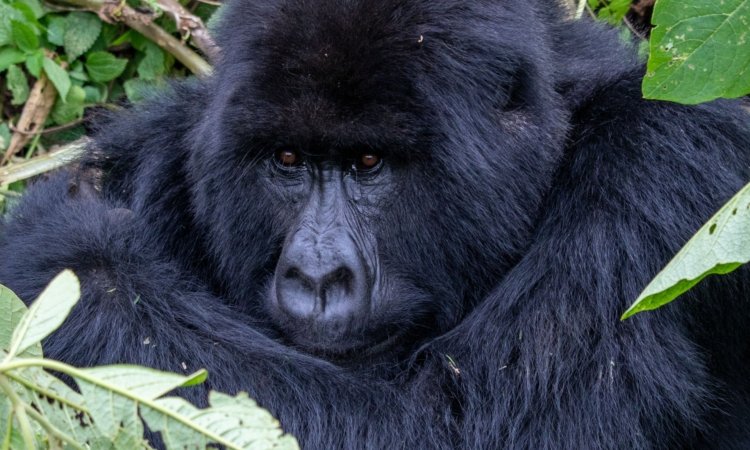
Along the way, guides point out forest plants, birds, and other primates that share the habitat with the gorillas. When the group reaches the gorilla family, visitors are given exactly one hour to observe them at close range, watching them feed, rest, and interact within their social group led by a dominant silverback, which is why many travelers describe the trip simply as walking with gorillas in Uganda.
Uganda follows the same core trekking rules used across Rwanda and the Democratic Republic of Congo, since all three countries share the same mountain gorilla population and conservation goals. A published study on gorilla tourism in Bwindi found that keeping proper distance from the gorillas lowers the risk of spreading disease between humans and gorillas, which is why these rules matter as much for the gorillas as for visitor safety:
Each habituated gorilla family receives a maximum of eight visitors per day. Visitors must keep a distance of 7 to 10 meters from the gorillas at all times. Camera flash is not permitted, since sudden light can startle the animals. Visitors may not eat, drink, or smoke near the gorillas, and anyone with a cold, flu, or other contagious illness is asked not to trek that day. Groups must stay together with their guide at all times rather than splitting off on their own. Litter of any kind, including food wrappers and water bottles, must be carried back out of the forest. Visitors get one hour with the gorillas once found, and touching the animals is never allowed, even if a gorilla approaches closely.
Guides also explain what to do if a gorilla displays warning behavior, such as chest beating, throwing vegetation, or loud vocalizing. If a gorilla charges, visitors are told to crouch down, avoid eye contact, and stay calm, since sudden movement or running can provoke further aggression. These moments are rare, and most people who see gorillas in Uganda describe the full hour as calm from start to finish.
Gorilla trekking in Uganda is possible year round, since permits are issued daily regardless of season. The dry seasons, running roughly from June to September and December to February, offer firmer trails and easier hiking conditions, making them the busiest months for booking a Uganda mountain gorilla trek. The wetter months bring lower visitor numbers and occasional permit discounts, along with muddier and more challenging terrain. Because mountain gorillas live in the Uganda impenetrable forest, some rainfall should be expected at any time of year, so proper hiking boots and rain gear are recommended regardless of when you travel.
Most Uganda gorilla trekking safari tours combine the trek itself with other activities nearby, since travelers are already in the remote southwest region of the country. After a trek in the Buhoma or Ruhija sectors of Bwindi, many visitors head to Lake Bunyonyi, known locally as the Lake of Little Birds, where you can swim, take a boat ride, or visit Prison Island, once used to abandon unmarried pregnant girls under an old local custom.
Travelers trekking from the Rushaga or Nkuringo sectors, or from Mgahinga Gorilla National Park, often continue to Lake Mutanda, where dugout canoe rides reveal small islands set against a backdrop of the Virunga volcanoes. Cultural encounters are another popular add-on. A visit to a Batwa community lets you learn how this forest-dwelling people, sometimes called pygmies, lived alongside gorillas for generations before conservation laws moved them out of the parks. Batwa guides demonstrate traditional forest skills, hunting techniques, and dance, offering a cultural counterpart to the wildlife encounter.
For travelers who want more time outdoors, mountain biking trails around the gorilla parks pass through tea plantations, crater lakes, and traditional homesteads, giving a different way to see the landscape at a slower pace. Many Uganda gorilla trekking safaris are built as multi-day itineraries that pair gorilla trekking with two or three of these activities, along with wildlife drives in nearby savanna parks such as Queen Elizabeth National Park. Whether you have a short 5 days Uganda safari or a longer 10 days Uganda safari, these stops fit naturally either side of your trekking day.
Because Uganda issues a limited number of gorilla permits per day per sector, booking early is the most important step in planning your trip. Permits should ideally be secured three to six months in advance, and even further ahead for travel during the peak dry season months. A full booking typically requires your passport details, preferred trekking sector, and travel dates. The Uganda Wildlife Authority has also published its own advisory on permit purchase guidelines, which is worth a read if you want to understand how the process works before contacting an operator.
Once your permit is confirmed, your safari operator will build the rest of your itinerary around it, including transfers from Entebbe to Bwindi or Kampala to Bwindi, accommodation, and any additional activities such as golden monkey trekking, chimpanzee tracking, or savanna game drives. Working with one of the best Uganda gorilla trekking companies like Magical Gorilla Adventures helps ensure your permit is genuine and that your itinerary accounts for the long drive times between Uganda’s parks. Whether you are booking a luxury Uganda gorilla safari with premium lodges or a leaner budget gorilla trekking Uganda plan, the permit booking process stays the same.
Ready to plan your trip? Book your Uganda gorilla trekking safari tour today and reserve your permit before the trekking season fills up. Send us an email to info@africangorilla.com
The Uganda Wildlife Authority gorilla permit costs $800 per person for foreign non-residents and $700 for foreign residents and East African Community citizens. Full tour packages also include transport, accommodation, and guide fees starting from as low as USD 1200 per person.
Trekking time depends on where the gorilla family is located that day, ranging from 30 minutes to about seven hours of hiking, followed by one hour with the gorillas once found.
Visitors must be at least 15 years old to take part in gorilla trekking.
Bwindi Impenetrable Forest National Park is home to most of Uganda’s mountain gorillas and offers four trekking sectors to choose from. Mgahinga Gorilla National Park is a smaller alternative with fewer permits available.
Gorilla trekking requires a reasonable level of physical fitness, since trails are steep, forested, and sometimes muddy. Porters are available at each sector to help carry bags and assist with difficult sections of the hike.
A Uganda gorilla trekking safari tour offers one of the most direct ways to see a critically endangered species in its natural habitat while supporting the conservation programs that have helped the mountain gorilla population grow over the past two decades. With permits limited each day, early booking gives you the best chance of securing your preferred sector and travel dates, whatever length of Uganda safari you are planning. Book your Uganda gorilla trekking safari tour now to start planning your trip into Bwindi or Mgahinga. Send us an email to info@africangorilla.com or book below.
Browse Uganda and Rwanda gorilla trekking tours by destination or holiday type, including budget, luxury, and Kigali-Bwindi trekking options.
 Request Price
Rwanda gorilla trekking safari tours give travelers a rare chance to spend one hour with wild mountain gorillas in the...
 From USD 200 Per Day
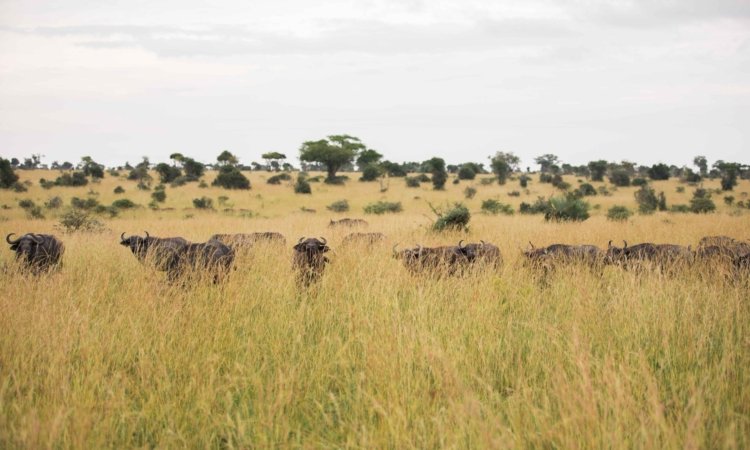
Explore Uganda's national parks for gorilla trekking, chimpanzee tracking, Big Five wildlife viewing, and mountain climbing adventures.
 From USD 250 Per Day
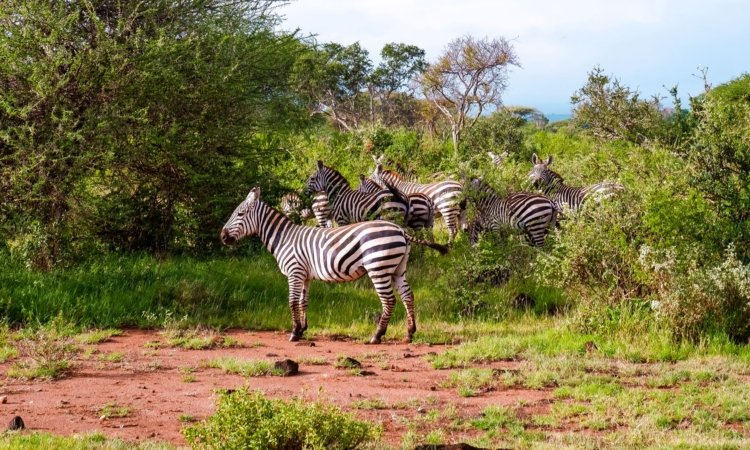
Trek gorillas in Volcanoes National Park, spot the Big Five in Akagera, and explore Nyungwe's canopy walk in Rwanda.
 From USD 200 Per Day
Explore Uganda, Kenya, Tanzania, and Rwanda's top parks for Big Five wildlife, gorilla trekking, and unforgettable mountain climbing adventures.
 From USD 350 Per Day
Uganda's $800 permits and low-season discounts make gorilla trekking more affordable in both Uganda and Rwanda without sacrificing quality.
 From USD 900 Per Day
Luxury gorilla trekking in Uganda or Rwanda combines top lodges, private flights, and comfortable transport for an elevated safari experience.
 From USD 400 Per Day
Bwindi's four sectors, Rushaga, Buhoma, Ruhija, and Nkuringo, offer over 18 habituated gorilla families to trek across varied terrain.
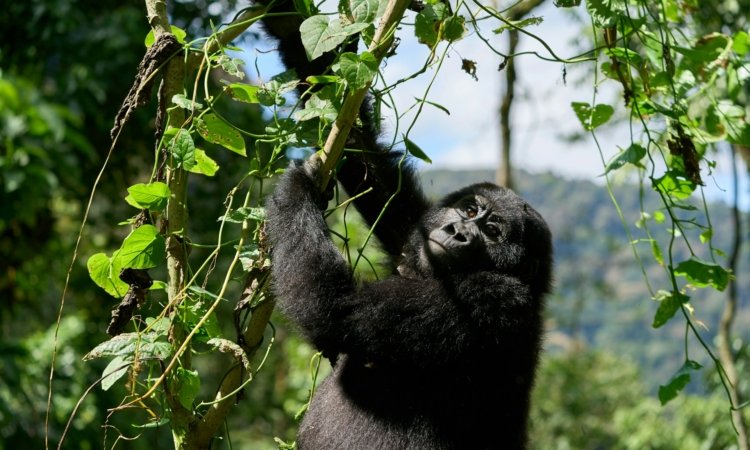 From USD 700 Per Day
Trek difficulty depends on your assigned family's location, with permits costing $1,500 during Rwanda's dry season.
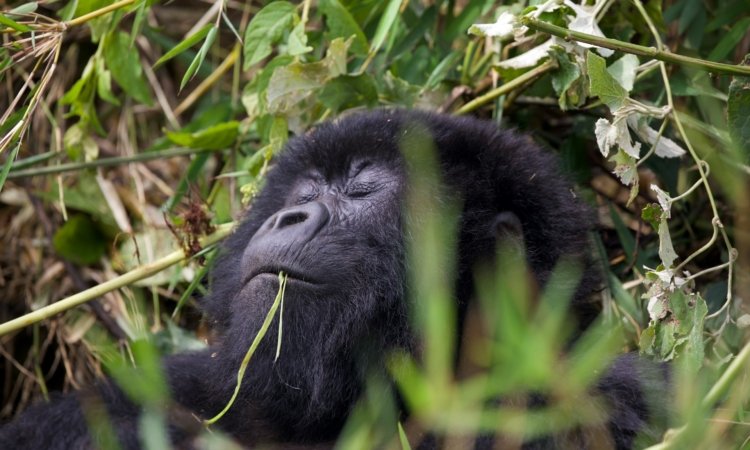 From USD 400 Per Day
Trek the Nyakagezi family, hike three Virunga volcanoes, or track golden monkeys in Uganda's quieter, more intimate gorilla park.
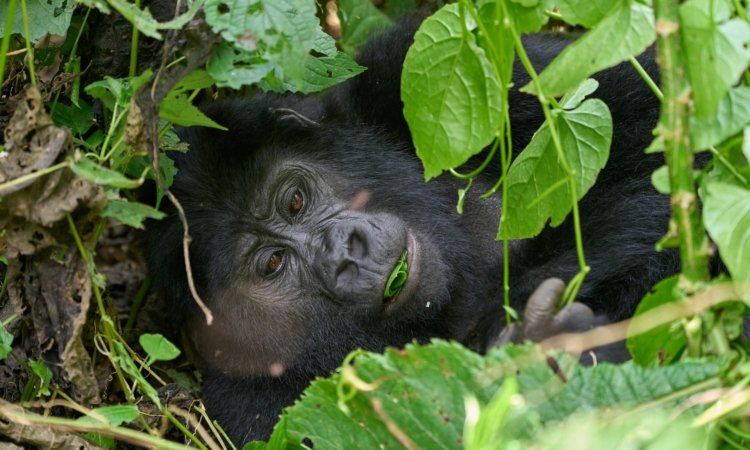 From USD 1500 Per Person
Uganda's Rushaga gorilla habituation experience in Bwindi Impenetrable National Park rewards you up to 4 hours with gorillas.
Read what our clients have to say about us. You can read even more reviews on TripAdvisor.





We plan gorilla treks that are enjoyable and affordable, because we love gorilla trekking as much as you do.
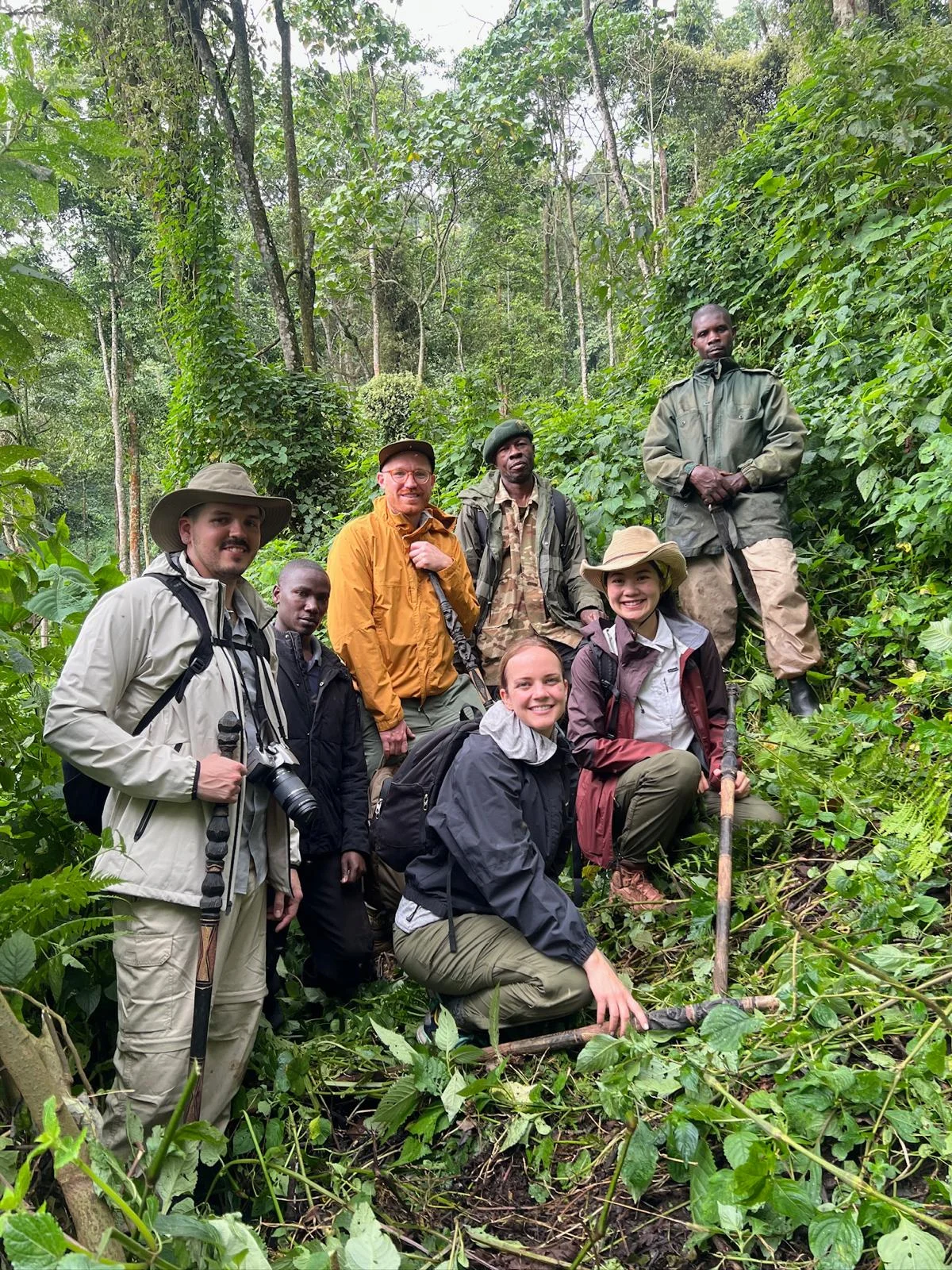
We are a gorilla trekking operator, agency, and Destination Management Company (DMC) based in Kampala, Uganda. Our Uganda Tourism Board license number is UTB/RTT/TO/2023/100931.
Read moreAlong with our carefully planned gorilla trekking packages and years of experience, we offer flexible and friendly booking terms.
We promise to plan, handle, and manage your gorilla trek carefully and correctly, from start to finish.
We are committed to excellent service and to making every gorilla trek as smooth as possible.
We profit from gorilla trekking tourism, and we make sure others do too. A portion of our profits supports single mothers in communities near the gorilla parks.
We plan your gorilla trek the right way, starting with a clear and simple planning process.
We listen to your gorilla trekking needs, then recommend and advise on the best options for your trip.
We talk through your options, match you to the right gorilla trekking itinerary, and refine it based on your feedback.
We confirm your gorilla trekking booking and handle reservations while we finalize any remaining details.
Call us now or book a video call, and we'll help you plan your gorilla trekking safari.