Top East Africa Safari Packages 2026/2027
Browse our selection of East Africa safari and wildlife viewing tours below to start planning your trip.
Browse our selection of East Africa safari and wildlife viewing tours below to start planning your trip.
 Request Price
 Request Price
 Request Price
 Request Price
 Request Price
 Request Price
 Request Price
 Request Price
 Request Price
 Request Price
 Request Price
East Africa, as a region, is often defined to include Uganda, Kenya, Tanzania, Rwanda, the Democratic Republic of Congo, Burundi, Comoros, Djibouti, Eritrea, Ethiopia, Madagascar, Malawi, Mauritius, Mozambique, Seychelles, Somalia, South Sudan, Sudan, Zambia, and Zimbabwe, though the countries most commonly associated with an East Africa safari are Uganda, Kenya, Tanzania, and Rwanda.
East Africa is known for its wildlife, species found nowhere else, and its scenery, mountains, lakes, and pristine wilderness, making it one of the world’s top tourist destinations.
Three of Africa’s highest mountains are found here, along with the world’s longest river, its largest tropical lake, some of its longest mountain ranges, its largest caldera, and several significant sites connected to human origins.
The people of East Africa are known for their hospitality and warmth toward visitors, and the region is generally considered safe for tourists.
Wildlife safaris: East Africa is one of the world’s top game viewing destinations, with Uganda home to 10 national parks, Tanzania 22, Kenya 24, and Rwanda 4. Each park offers a distinct wildlife experience, with most home to the Big Five, and Uganda and Rwanda specifically known for their mountain gorilla habitats.
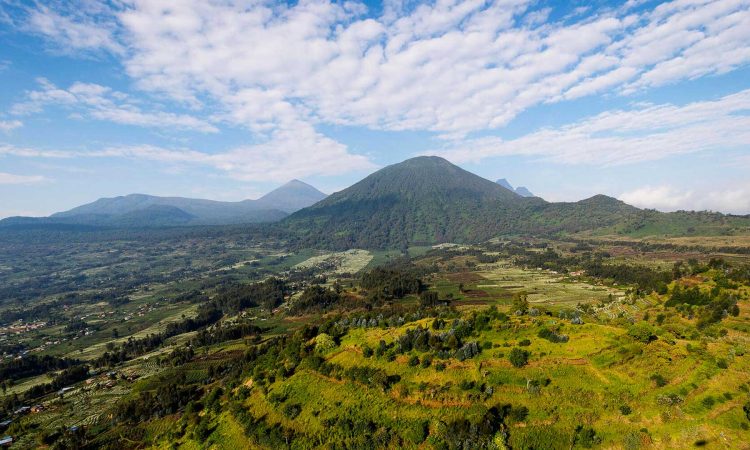
Mountain climbing: East Africa is a strong destination for mountaineers. Tanzania is home to Mount Kilimanjaro, Africa’s highest mountain, while Kenya and Uganda host the second and third highest peaks respectively. Other notable climbs include the Virunga Range, Mount Rwenzori, Mount Elgon, Mount Meru, and Mount Longonot.
Birding safaris: East Africa is a well established birding destination, with over 1,000 recorded bird species in the region, including migrants from North Africa and Europe. Birding can be enjoyed across nearly all of the region’s protected areas.
East Africa has an equatorial climate, and most countries in the region share similar weather patterns. The region can be visited year-round, though the dry seasons offer the best conditions for game viewing and mountain climbing.
During these periods, parks are dry, roads are in good condition, trails are less muddy, animals gather more predictably around water points, and thinner vegetation makes wildlife easier to spot. The two main dry seasons run from June to August and December to February.
For birding specifically, November to April is the best window, when migratory birds from other parts of Africa and Europe are present.
Uganda is home to 10 national parks: Queen Elizabeth National Park, Mgahinga Gorilla National Park, Semuliki Valley National Park, Lake Mburo National Park, Bwindi Impenetrable Forest National Park, Kidepo Valley National Park, Murchison Falls National Park, Rwenzori Mountains National Park, Mount Elgon National Park, and Kibale Forest National Park.
Rwanda has four national parks: Volcanoes National Park, Nyungwe Forest National Park, Akagera National Park, and Gishwati-Mukura National Park.
Tanzania has 22 national parks, including Tarangire, Arusha, Serengeti, Lake Manyara, Nyerere, Katavi, Mahale Mountains, Mount Kilimanjaro, Burigi-Chato, Gombe Stream, Ibanda-Kyerwa, Kigosi, Kitulo, Mkomazi, Mikumi, Ruaha, Rumanyika-Karagwe, Rubondo, Saanane, Saadani, Ugalla River, and Udzungwa Mountains National Parks.
Kenya has 24 national parks, including Nairobi, Tsavo East, Tsavo West, Amboseli, Aberdare, Meru, Mount Longonot, Central Island, Hell’s Gate, Lake Naivasha, Lake Nakuru, Chyulu Hills, Sibiloi, Malindi Marine, Mombasa Marine, Kisite-Mpunguti Marine, South Island, Arabuko Sokoke, Kora, Mount Elgon, Mount Kenya, Saiwa Swamp, and Ruma National Parks.
When traveling to East Africa, you can apply for a visa to a specific country, or if visiting Uganda, Kenya, and Rwanda, apply instead for the East Africa Tourist Visa, a single multiple-entry visa valid for tourism purposes only, not for employment.
The East Africa Tourist Visa is valid for 90 days, is non-renewable, and your first point of entry must be the country through which you applied. You’ll need a recent passport photo, a passport valid for at least six months, a yellow fever vaccination card, a national identity card, a travel itinerary, and a return ticket. The visa fee is USD 100 per person, paid online and non-refundable. You can apply for it online through the relevant country’s immigration portal.
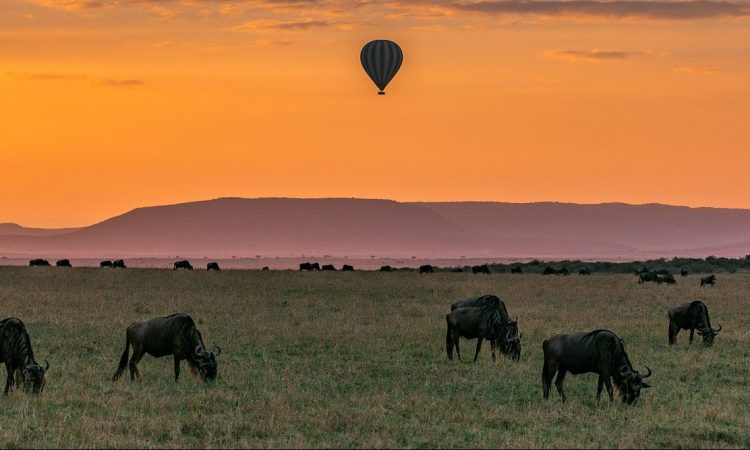
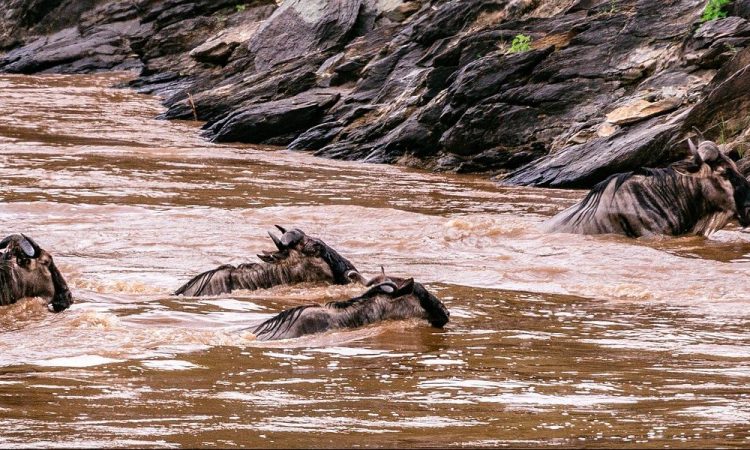
Serengeti National Park: Located in Tanzania, Serengeti is one of the most famous safari destinations in the world, home to 70 mammal species and over 500 bird species. It hosts one of the seven natural wonders of Africa and is considered one of the ten natural travel wonders of the world. The park is best known for the Great Migration, where millions of wildebeest, along with thousands of zebra and gazelle, move from the park’s south to its north before crossing into Kenya’s Masai Mara Game Reserve in search of fresh grazing. It also holds one of the largest lion populations in the world. The name “Serengeti” comes from a Maasai word meaning “endless plains.”
Tsavo East and Tsavo West National Parks: Together with nearby conservation areas, these form Kenya’s largest protected area, divided by the A109 road and railway. Both take their name from the Tsavo River, a key water source for local wildlife. Tsavo West offers scenery of rocky terrain, swamps, and springs that attract significant birdlife, along with a successful black rhino sanctuary. Tsavo East is semi-arid, dominated by savanna plains, and home to a wide range of wildlife, including the Big Five. The Tsavo River area also holds Stone Age archaeological sites, and the region is popular for both wildlife viewing and rock climbing.
Queen Elizabeth National Park: Uganda’s most visited national park, located in the west of the country. Established in 1952 as Kazinga National Park, it was later renamed to commemorate a visit from Queen Elizabeth II. The park is known for its tree-climbing lions, found in only one other location in the world, Lake Manyara National Park in Tanzania. It’s a strong birding destination with over 600 recorded species, and home to more than 95 mammal species across its Ishasha and Kasenyi plains, alongside several volcanic cones and craters.
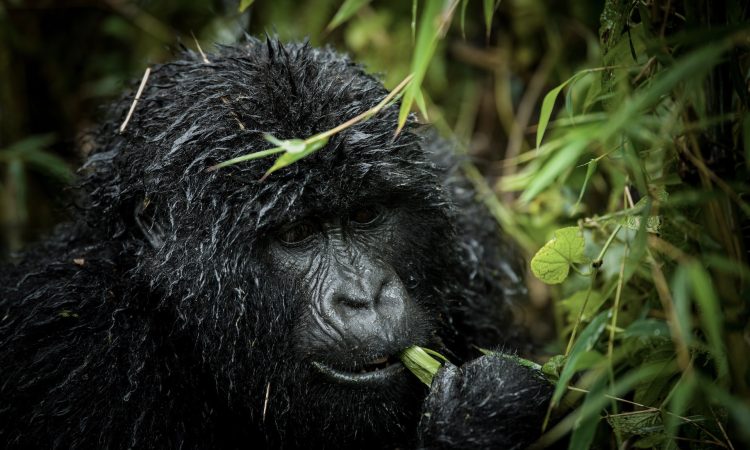
Bwindi Impenetrable National Park: One of East Africa’s most famous tourism destinations, home to roughly half the world’s population of endangered mountain gorillas, found only in Uganda, Rwanda, and the Democratic Republic of Congo. Several habituated gorilla families can be visited daily, with 8 permits available per family. Bwindi also offers gorilla habituation, where visitors join researchers and rangers for around four hours a day as part of the process of acclimating a wild gorilla family to human presence, a process that typically takes about three years before a family is ready for standard tourist visits.
Lake Manyara National Park: Along with Queen Elizabeth National Park, this is one of only two national parks in East Africa known for tree-climbing lions. Named after Lake Manyara, which attracts large numbers of flamingos, the park hosts 670 species of flowering plants and 390 bird species, and offers strong wildlife viewing opportunities overall.
Nairobi National Park: Located just 7 kilometers outside Nairobi, Kenya’s capital, this park is ideal for a shorter visit or travelers on a tight schedule. Gazetted in 1946, it was Kenya’s first national park. Despite its proximity to the city, it offers a genuine wildlife experience, with 400 recorded bird species and over 100 mammal species, and serves as a key rhino breeding sanctuary for animals later relocated to other parks in the country.
Amboseli National Park: Known for its views of Mount Kilimanjaro, Africa’s highest mountain, best seen from Kenya even though the mountain itself sits across the border in Tanzania. Amboseli is also one of the best places in the region to view large elephant herds up close.
East Africa is generally considered a safe region to visit, though certain areas, such as the Kenya-Somalia border, should be avoided. As with travel anywhere, standard precautions apply.
Follow park rules and regulations at all times. Don’t wander off marked trails alone, approach wildlife too closely, or exit your vehicle during a game drive, since conditions in the wilderness can change quickly. Avoid walking alone, particularly in isolated areas or after dark, and stay alert for pickpockets, especially in capital cities. Keep valuables secure and out of sight in public. Before heading out alone from your hotel, check with hotel staff on the safety of your destination, and avoid unregistered taxis at night.
East Africa is ethnically diverse, home to around 56 tribes in Uganda, 70 in Kenya, and 120 in Tanzania. English, Kiswahili, and French are widely spoken as official languages, alongside numerous tribal languages.
The region’s people are known for their hospitality, contributing to its reputation as a safe destination for visitors. Respect for elders is a strong cultural value, and community involvement in raising children is common. Greetings typically involve a handshake or hug, usually with the right hand.
Traditionally, men are considered heads of the household and take the lead on family decisions, while women are primarily responsible for domestic matters. When traveling, it’s respectful to ask permission before photographing local people, since doing so without consent is generally considered impolite.
East African cuisine is varied, with many tribes maintaining their own staple dishes, and traditional dress often reflects a specific ethnic identity. Modest dress is generally encouraged in public, particularly for women, especially when visiting villages, and public displays of affection, such as kissing, are generally discouraged, so couples are advised to be discreet.
Traditional music and dance are a deep part of East African culture, with each tribe offering something distinct, and experiencing this firsthand is well worth including in your trip.
Wildlife and adventure trips across countries like Kenya, Tanzania, Uganda, and Rwanda to experience wildlife, nature, and culture.
Kenya, Tanzania, Uganda, and Rwanda, given their wildlife parks and safari infrastructure.
For the wildlife, welcoming culture, and the range of national parks and landscapes on offer.
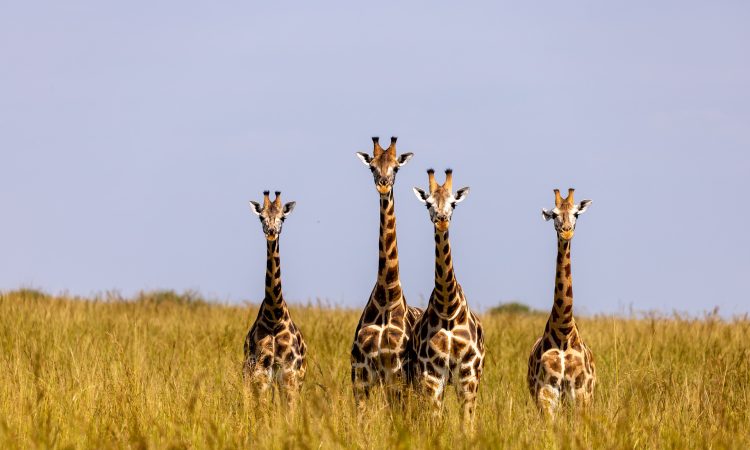
Lions, elephants, leopards, rhinos, buffalo, giraffe, zebra, hippos, and mountain gorillas.
The chance to combine Big Five viewing, gorilla trekking, birding, and mountain climbing within one region.
Serengeti in Tanzania, Masai Mara in Kenya, Bwindi in Uganda, and Volcanoes National Park in Rwanda.
The Big Five, along with the wildebeest migration when it crosses from Tanzania into Kenya.
Over 60 combined across Uganda, Kenya, Tanzania, and Rwanda.
A mix of local and international dishes, including rice, chapati, grilled meats, and tropical fruit.
Village visits, meeting the Maasai, traditional dance, and local hospitality.
Yes, many lodges and parks welcome families and offer guided, family-friendly experiences.
Yes, a range of high-end lodges and camps are available across the region.
Light clothing, a hat, sunscreen, insect repellent, and comfortable footwear for game drives or hikes.
Book early, arrange your visa and travel insurance, pack thoughtfully, and choose a trusted operator.
The chance to see exceptional wildlife, explore varied landscapes, and experience the region’s culture in one trip.
Browse Uganda and Rwanda gorilla trekking tours by destination or holiday type, including budget, luxury, and Kigali-Bwindi trekking options.
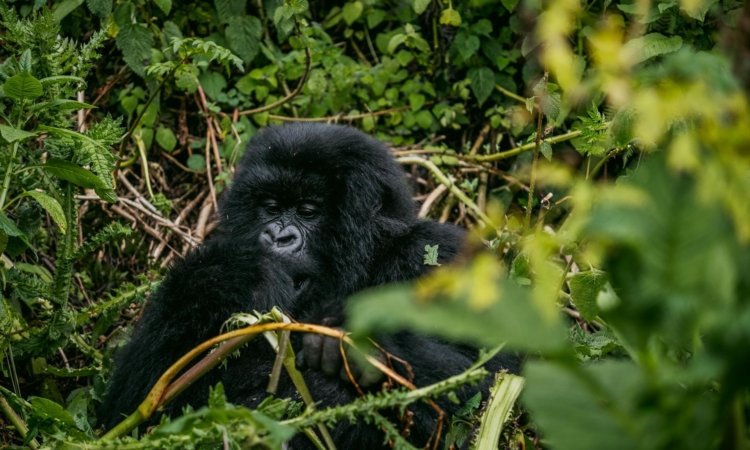 Request Price
Uganda gorilla trekking safari tours give travelers the chance to walk into the rainforest and spend one hour face to...
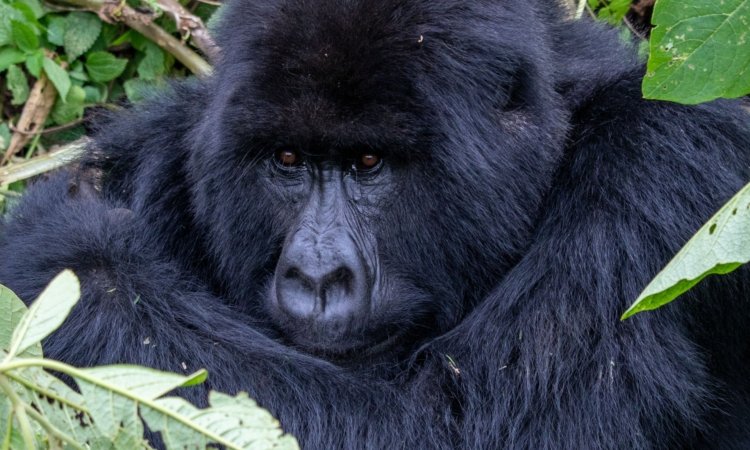 Request Price
Rwanda gorilla trekking safari tours give travelers a rare chance to spend one hour with wild mountain gorillas in the...
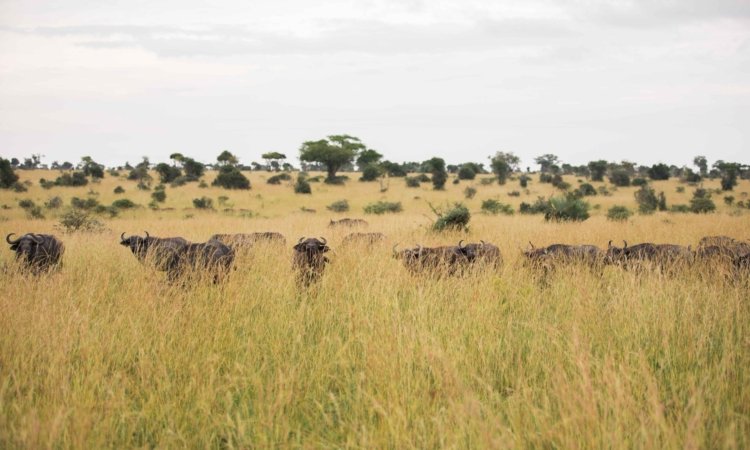 From USD 200 Per Day
Explore Uganda's national parks for gorilla trekking, chimpanzee tracking, Big Five wildlife viewing, and mountain climbing adventures.
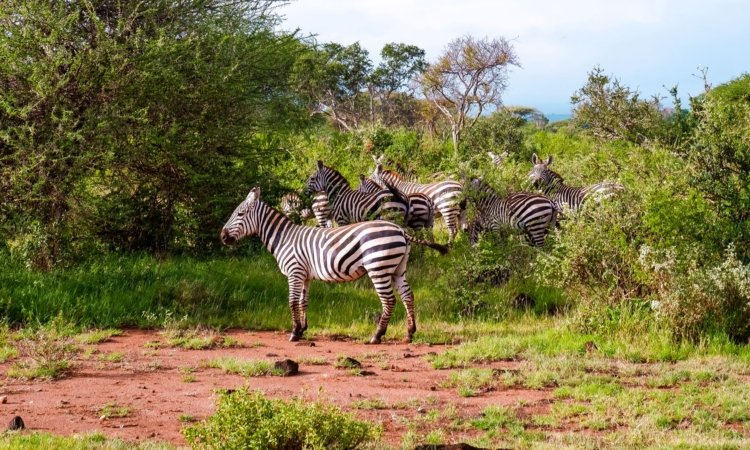 From USD 250 Per Day
Trek gorillas in Volcanoes National Park, spot the Big Five in Akagera, and explore Nyungwe's canopy walk in Rwanda.
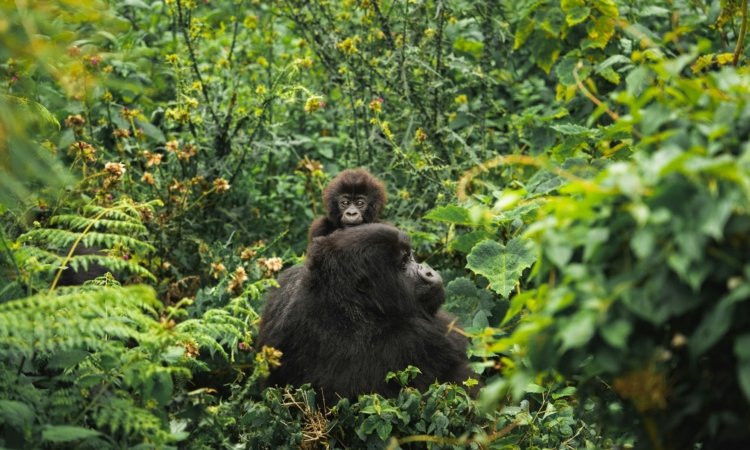 From USD 350 Per Day
Uganda's $800 permits and low-season discounts make gorilla trekking more affordable in both Uganda and Rwanda without sacrificing quality.
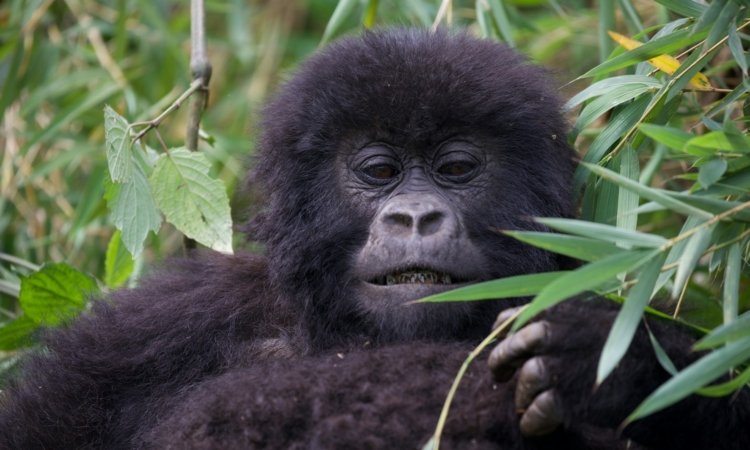 From USD 900 Per Day
Luxury gorilla trekking in Uganda or Rwanda combines top lodges, private flights, and comfortable transport for an elevated safari experience.
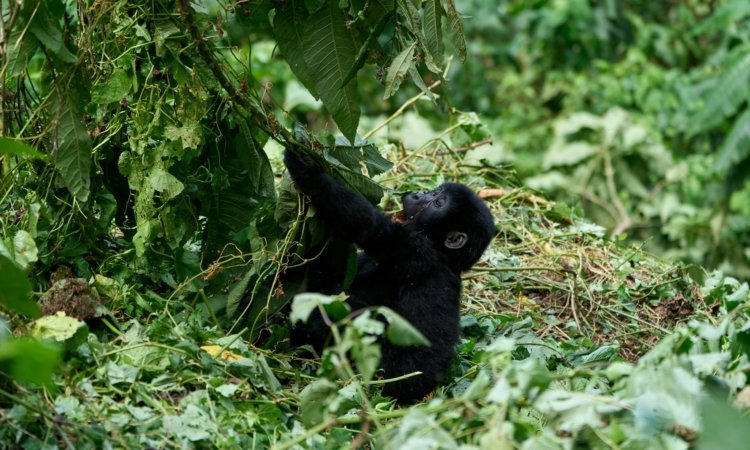 From USD 400 Per Day
Bwindi's four sectors, Rushaga, Buhoma, Ruhija, and Nkuringo, offer over 18 habituated gorilla families to trek across varied terrain.
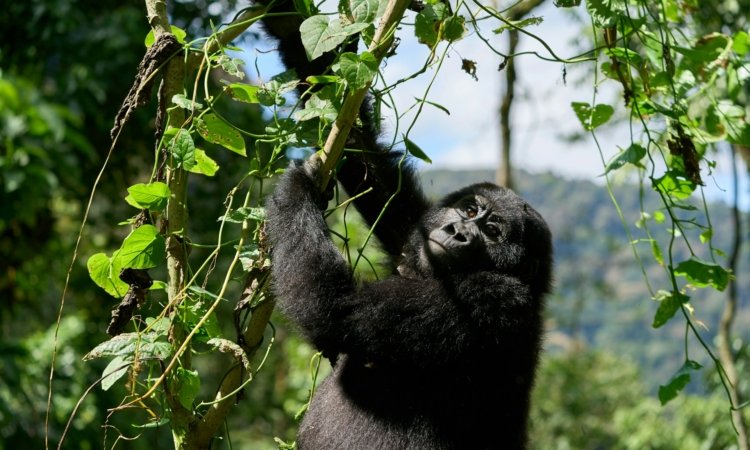 From USD 700 Per Day
Trek difficulty depends on your assigned family's location, with permits costing $1,500 during Rwanda's dry season.
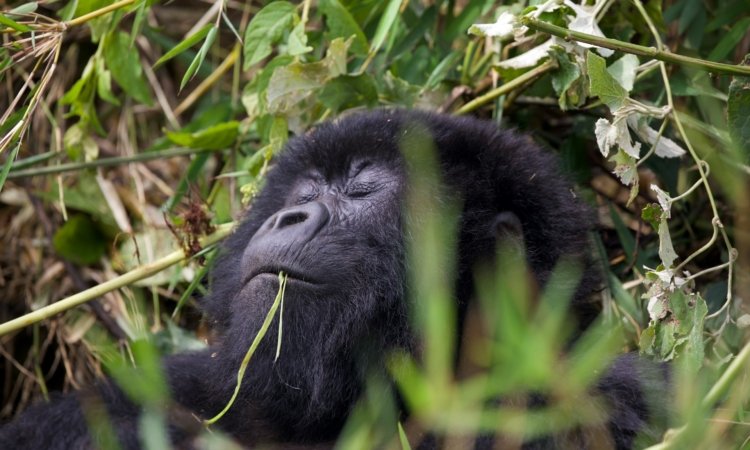 From USD 400 Per Day
Trek the Nyakagezi family, hike three Virunga volcanoes, or track golden monkeys in Uganda's quieter, more intimate gorilla park.
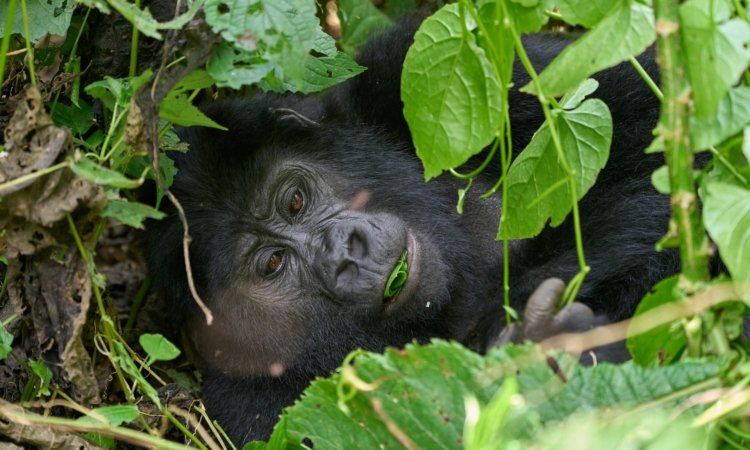 From USD 1500 Per Person
Uganda's Rushaga gorilla habituation experience in Bwindi Impenetrable National Park rewards you up to 4 hours with gorillas.
Read what our clients have to say about us. You can read even more reviews on TripAdvisor.





We plan gorilla treks that are enjoyable and affordable, because we love gorilla trekking as much as you do.
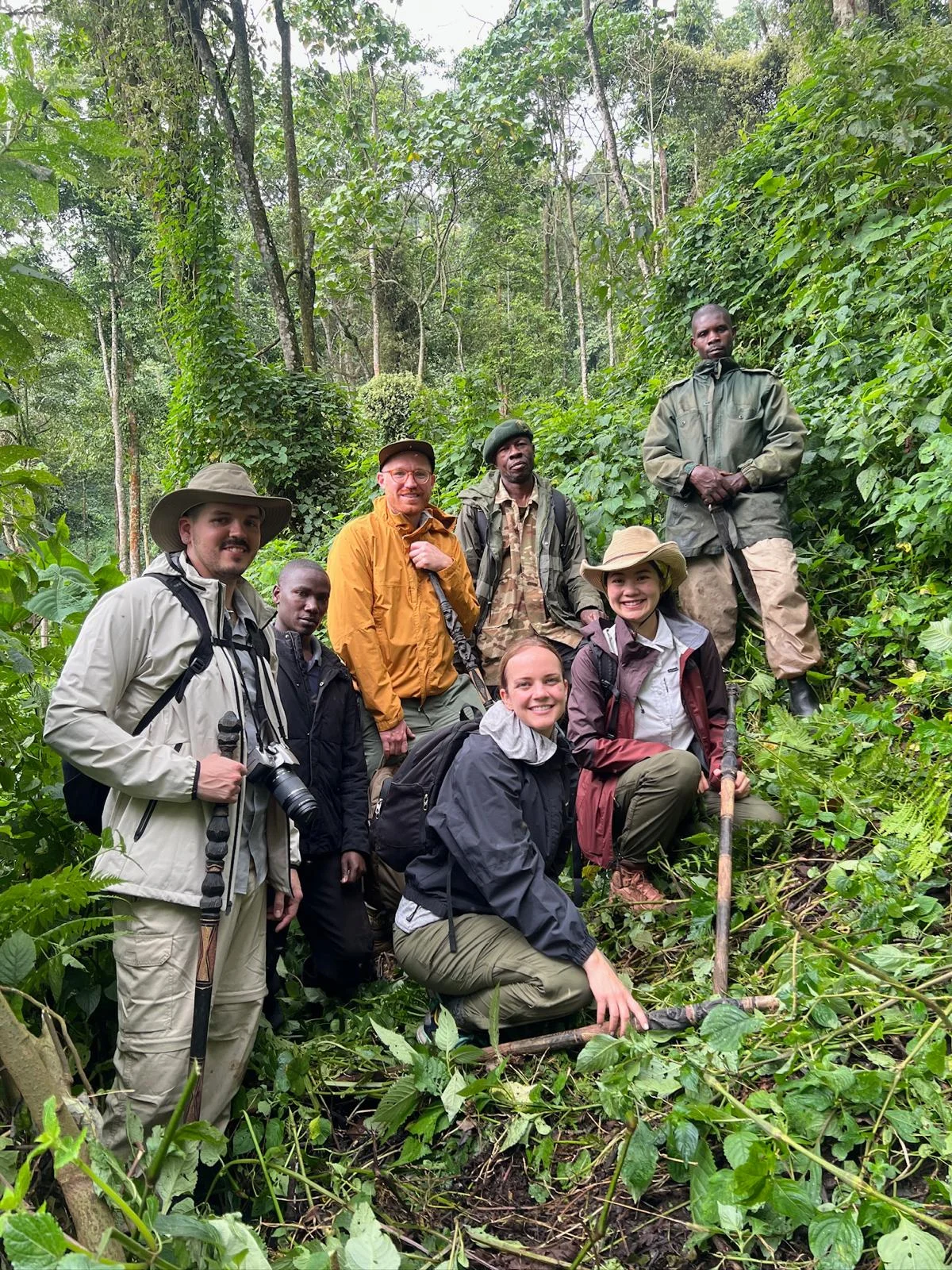
We are a gorilla trekking operator, agency, and Destination Management Company (DMC) based in Kampala, Uganda. Our Uganda Tourism Board license number is UTB/RTT/TO/2023/100931.
Read moreAlong with our carefully planned gorilla trekking packages and years of experience, we offer flexible and friendly booking terms.
We promise to plan, handle, and manage your gorilla trek carefully and correctly, from start to finish.
We are committed to excellent service and to making every gorilla trek as smooth as possible.
We profit from gorilla trekking tourism, and we make sure others do too. A portion of our profits supports single mothers in communities near the gorilla parks.
We plan your gorilla trek the right way, starting with a clear and simple planning process.
We listen to your gorilla trekking needs, then recommend and advise on the best options for your trip.
We talk through your options, match you to the right gorilla trekking itinerary, and refine it based on your feedback.
We confirm your gorilla trekking booking and handle reservations while we finalize any remaining details.
Call us now or book a video call, and we'll help you plan your gorilla trekking safari.