The issue of responsible tourism in Africa is not a simple one, but then it’s a complex topic wherever you place it on the globe.
Africa has been blighted by negative press and stereotyping for decades – if not centuries – which has only served to highlight societal problems and has failed to showcase where the continent – and us travelers in support of it – are getting things right.
Now, however, the tides are turning. As an African safari becomes more accessible and mainstream, travelers are also realizing how valuable and interesting Africa’s diverse culture is, too.
African tourism has always battled with different concepts of culture – and its level of interest to tourists. Europe and Asia, for example, boast temples, museums, castles, cathedrals, impressive architecture – tangible qualities that are easy to see and therefore easy to market and photograph.

The cultural attractions in Africa – cultural heritage, beliefs, storytelling, ancient knowledge, music, dance – are intangible, making them less easy to package and sell.
What’s more, Africa’s cultural achievements have historically been dismissed by the West; for example, archaeologists studying the thousand-year-old ruins of Great Zimbabwe were under great pressure from colonial governments to declare they were built by non-Africans.
Likewise, the Benin Bronzes were initially assumed to have been as a result of Europeans showing “primitive” Africans how to cast metal, but the techniques were developed simultaneously by indigenous people in West Africa.
So, there has always been snobbery and a presumption that anything achieved in Africa has been given to them by the West. Not so. Africa is going through an economic boom; it is now pulling itself out of poverty by business, especially in terms of tourism, and not just by aid.
The recognition of Africa’s rich culture doesn’t just support its people; the future of wildlife and landscapes, too, is now looking brighter thanks to the creation of communal conservancies.
These put responsible tourism back into the hands of local people – who were previously believed incompatible with conservation policies and protected areas – and have in some cases halted uncontrolled development in its money-motivated tracks.
Responsible Tourism Tips
Tip #1: Water is extremely scarce in many African countries; take short showers rather than baths, reuse towels, and turn off taps when brushing your teeth. Report any leaks to staff as soon as possible. Toilets use a huge amount of water too – you don’t have to flush every time.
Tip #2: We recommend using biodegradable toiletries and laundry detergents, especially when camping – limited water supplies will quickly become contaminated.
Tip #3: It’s natural to want to get closer to wildlife – but this will distress them. Never ask your guide to leave the trails or drive after wildlife, and be sure to obey all rules in the reserves.
Tip #4: Fires start fast and burn hard in the desert; never drop cigarette butts or matches on the ground, be extremely careful when building fires, and keep water to hand to extinguish sparks and embers.
Tip #5: It is illegal to take elephant ivory, leather and tusk products, rhino horn products and cat furs into the UK and many other countries. They will be confiscated at your place of exit or entry and you could face legal proceedings.
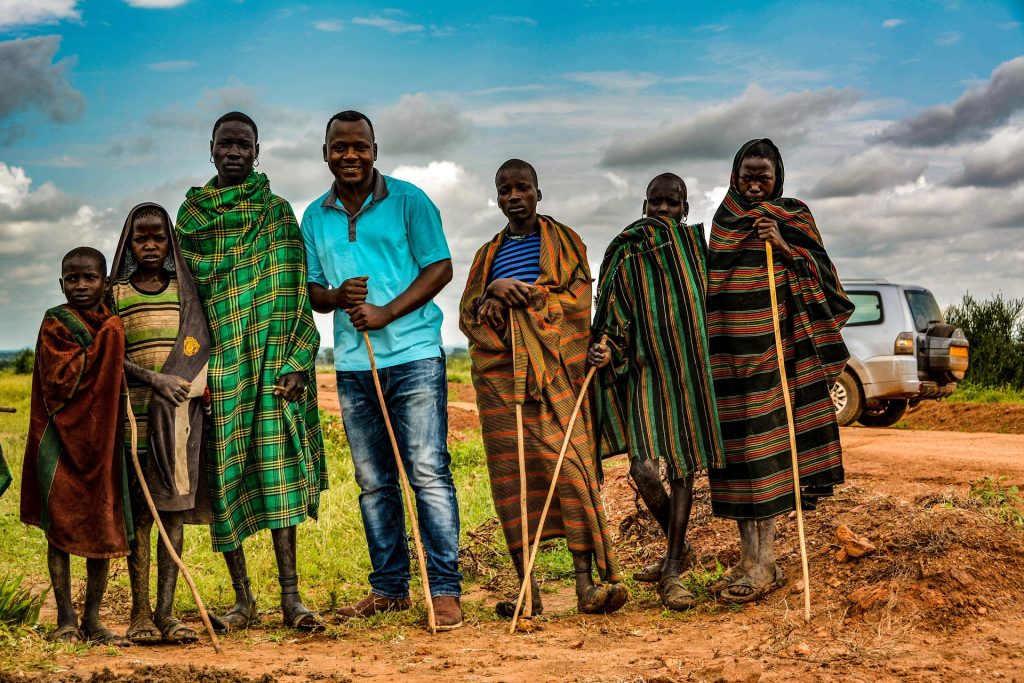
Tip #6: Think before you take pictures. It’s easy to get snap-happy when presented with Africa’s incredible savannahs and tribes, but it’s important to remember that this may be your trip of a lifetime, but it’s their reality, so introduce yourself to the locals and ask permission. Whenever possible, it is good idea to ask for a postal address and follow through by sending photographs back to local families.
Tip #7: Never use flash photography with wildlife.
Tip #8: Many parts of Africa are very conservative. Dress modestly wherever you travel – women in particular – this means long trousers and skirts, covered shoulders and midriffs. And when visiting religious sites, women are advised to cover their heads, as Eskinder Hailu from our leading Ethiopia supplier, Highway Tours, explains: “When you go to the churches it’s respectful to cover your head with some cloth. It’s not mandatory, it’s not a mosque, but it helps. Just this week one of my clients was wearing a hat and she thought it was considered as a head cover, but I asked her to take it off.” Some sites may also require you to remove your shoes.
Tip #9: Slum tours are offered in Nairobi’s Kebira slum. This is an overpopulated, lawless district with hundreds of thousands of people living in squalid conditions – surrounded by hazards such as open sewers. While the benefits of these tours is questionable, tourists are putting themselves in a dangerous position – as well as exploiting local residents who may resent being stared at or photographed while going about their daily life.
Tip #10: Conversely, there are a number of well-run township tours in South Africa and Namibia, operated by local people who live– or grew up – there. When choosing a tour, find out about the tour company or guide’s connection with the area, and ensure it doesn’t just involve traveling through in a vehicle. Any good tour will involve meeting local people, eating or drinking in local establishments, learning about the different cultures that live here – and about the political history that led to the foundation of the townships.
Tip #11: Africa can be a relatively costly place to travel in – but even the most popular destinations, including Tanzania and Kenya – are amongst the world’s poorest nations. Do your bit by tipping your local guides, drivers, cooks and hotel staff – discuss an appropriate amount with your tour operator before you depart, and come prepared with cash. Pooling tips – if you are travelling in a group – is recommended as a hassle free way to tip.
Tip #12: Many African tours include a visit to a local school. These can be fascinating for visitors and great photo opportunities – but do ask questions of your operator. Tourists trampling through a classroom daily to take photos with kids is disruptive to their education, and can do more harm than help. Additionally, any gifts should be given to the teachers rather than the children, who may start to see foreigners as a source of freebies, encouraging begging and bad perceptions.
Tip #13: Haggling is part of the game across Africa – and especially in northern countries such as Morocco and Egypt, so embrace it and join the fun. Trust your instincts and remember that most negotiations are just an economic exchange, not a way to trick you. Travelling with a local guide helps, as they can help you learn the tricks. In general, you can offer half the price, or 75 percent for expensive items and then take it from there! If you don’t speak the local language, write down the agreed price, just to be clear.
Tip #14: Trekking responsibly in the Sahara and Atlas Mountains is a given, leaving no trace, telling people where you are going, being accompanied by a guide when necessary, and being prepared with safety and medical kits, food and water. You can see our 2 Minute Walking Holiday Guide for more tips on this.
Tip #15: Trekking up Kilimanjaro means being responsible not just to yourself – but to your porters. Though there are guidelines in place regarding minimum pay, how much they can carry etc, these are often flagrantly ignored, so it’s up to you to keep an eye out for bad practices – and to ensure you book through a responsible operator, such as those on our site. Read more about porters’ rights in our Kilimanjaro guide.
Tip #16: When booking a safari searching, look for companies that really do connect with communities. It is easy for them to greenwash, their stunning photos sweeping us into a frenzy of Out of Africa-ness. So read beneath the labels. If the focus is purely on the Big Five, with ‘a bit of a cultural village visit’ thrown in on the last day, the chances are this safari provider is putting profit way before people.