Top Volcanoes Gorilla Trekking Packages 2026/2027
Explore Volcanoes gorilla trekking tour packages below.
Explore Volcanoes gorilla trekking tour packages below.
 from $2010 Per Person
 Request Price
 from $2225 Per Person
 Request Price
 from $2300 Per Person
 Request Price
 from $2900 Per Person
 from $4000 Per Person
 Request Price
 from $4500 Per Person
 from $5000 Per Person
Trek difficulty depends largely on where your assigned gorilla family is located, since some families are easy to reach while others live at higher elevations.
Weather in gorilla parks can be unpredictable, and rain can make trekking noticeably harder. You’ll pass through tough terrain and dense forest, so long-sleeved clothing helps protect against biting insects, and a raincoat is worth having in case of rain.
Since mountain gorillas live at higher elevations, a reasonable level of physical fitness makes a real difference, and it’s worth doing some exercise beforehand so you don’t tire quickly and slow down the rest of the group. Rain also makes trails muddier and more slippery, adding to the difficulty. The best time to trek is during the dry season, from June to September and December to February.
Gorilla trekking is possible year-round in Rwanda, though some months are better than others. The best time to visit is during the short dry season from December to early February and the long dry season from June to September. Visiting during the wet season can be more difficult, since roads to the park become harder to pass and trails get muddy and slippery. See our full best time to visit Rwanda guide for a month-by-month breakdown.
Temperatures in Rwanda average around 22°C during the day and can drop to 12°C at night, with annual rainfall ranging from 1,000 to 2,000 mm. If visiting during peak season, book your gorilla permit at least three months in advance, since demand is high during this period.
A Rwanda gorilla permit is the official document granting access to trek mountain gorillas. Visitors present this at park headquarters and are allocated a gorilla group for their trek.
Rwanda’s gorilla permit is the most expensive of the three trekking countries, at $1,500 per person, compared to $800 in Uganda and $400 in Congo, a pricing gap that has helped position Rwanda as a more upscale gorilla trekking destination. The permit price doubled in 2017, rising from $750 to $1,500.
Permits should be booked well in advance, ideally around three months before your trekking date, since they’re in high demand and sold on a first-come, first-served basis. Permits can be obtained through a trusted travel agency or directly from the Rwanda Development Board. Visitors who show signs of illness before trekking will receive a 50% refund of the permit fee, since sick visitors aren’t permitted to trek: mountain gorillas can easily contract human illnesses and lack the immunity to fight them off.
Mountain gorilla filming was introduced to support conservation and raise global awareness of mountain gorillas. It can only take place in the wild, since mountain gorillas cannot survive long in captivity.
A maximum of 8 people are permitted to film a gorilla family at once, and all participants must complete and submit the required paperwork before their trek. It’s best to submit filming requests to the relevant authority or your tour operator 3 to 6 months before arrival.
A gorilla filming permit in Rwanda costs $5,000, covering three consecutive days of filming and professional photography. On top of this, each member of the group must also purchase a standard gorilla trekking permit at $1,500 per person. The filming crew is also required to pay a refundable $2,000 deposit to the Rwanda Development Board, returned once a copy of the finished footage is provided, confirming the filming supported mountain gorilla conservation and promotion. Filming permits can be purchased directly from the Rwanda Development Board or through a trusted tour company.
Rwanda offers one of the best gorilla photography experiences in Africa. Since the gorilla habitat here is largely bamboo forest, photographers can often capture clearer shots in open clearings, compared to the denser vegetation typical of Uganda and the Democratic Republic of Congo, especially during the wet season.
Most visitors trekking gorillas want to capture the experience to share with friends and family, so it’s worth planning your photography approach before arriving in the country.
Gorilla habituation is the process of acclimating wild mountain gorillas to human presence, typically carried out over 2 to 3 years by researchers, conservationists, and rangers who monitor and study each individual before naming them based on behavior and personality. Only once a family completes habituation successfully can it be opened for standard tourist trekking.
Rwanda currently offers only standard gorilla trekking, not habituation. The gorilla habituation experience is available exclusively in the Rushaga sector of Bwindi Impenetrable National Park in Uganda.
Bwenge Gorilla Family: The name means “wisdom” in the local language. The group was formed in 2007 when the silverback Bwenge left his birth family to start his own, later joined by females from other groups; some tourism sources associate the family with the 1988 film Gorillas in the Mist, though this is worth taking with some caution given the timeline. Bwenge can be trekked on the slopes of Karisoke, between Mount Karisimbi and Mount Bisoke.
Ugyenda Gorilla Family: The name means “on the move,” reflecting the group’s frequent movement, which can make it harder to trek. The family roams the slopes of Karisimbi and has 11 members, including two silverbacks.
Hirwa Gorilla Family: Formed from members who split from the Sabyinyo and Agashya families. Notably, the group welcomed a set of twins in 2011, a rare event among mountain gorillas.
Kwitonda Gorilla Family: Trekked on the slopes of Mount Muhabura, this group is named after its dominant silverback, Kwitonda, meaning “the humble one.” The family is believed to have migrated originally from the Democratic Republic of Congo.
Agashya Gorilla Family: Also known as Group 13, led by the silverback Agashya, who took over from Nyakarima. The group can be trekked around Mount Sabyinyo, and Agashya is known for moving his family to higher slopes when he senses danger.
Sabyinyo Gorilla Family: The name means “old worn-out teeth” in the local language, taken from Mount Sabyinyo. Led by Guhonda, the heaviest known silverback in Volcanoes National Park, this family inhabits the slopes of Mount Sabyinyo and Mount Gahinga and is one of the easier families to trek.
Umubano Gorilla Family: Formed when the silverback Charles broke away from his birth group after repeated conflict with the dominant male, Ubumwe. The name means “living together,” and the group has 13 members, including two silverbacks.
Amahoro Gorilla Family: Trekked on the slopes of Mount Bisoke, the name means “peace,” reflecting the family’s calm reputation, one of the most peaceful in the park. Some members have since joined the Umubano family.
Karisimbi Gorilla Family: Also known as Susa B, this group split from Susa A in 2008 and is considered the hardest family to trek in Rwanda, inhabiting the upper slopes of Mount Karisimbi. It has 16 members, including two silverbacks.
Susa A Gorilla Family: One of Rwanda’s most notable families, with 42 members at the time of habituation before later splitting. Extensively studied by Dian Fossey, the group welcomed a set of surviving twins, Impano and Byishimo, in 2004. It can be trekked around the Susa River, on the slopes of Mount Karisimbi.
Titus Gorilla Family: Also studied by Dian Fossey, this family is named after the silverback Titus, who lost his father and much of his birth family to poachers as a young gorilla. Despite early health struggles, he went on to lead a long, stable family group.
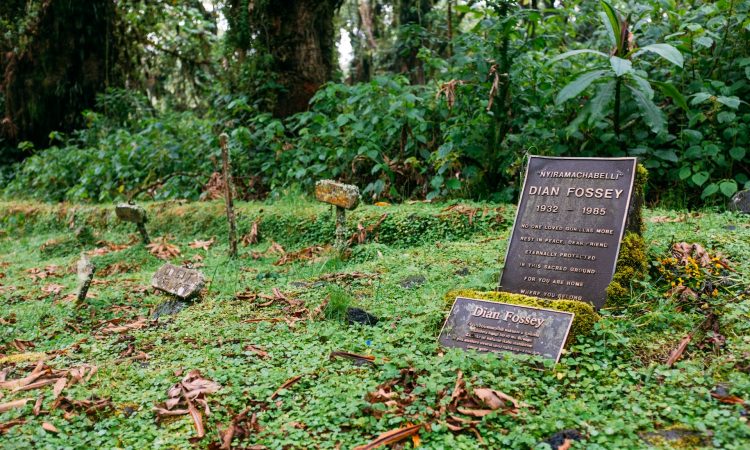
In 2017, Rwanda doubled its gorilla permit price from $750 to $1,500. Mountain gorillas were nearly extinct in the 19th century, but sustained conservation efforts, pioneered by American primatologist Dian Fossey, have helped their numbers recover significantly. This conservation work continues today and requires substantial ongoing funding, much of which comes directly from gorilla permit revenue, supporting not just the gorillas themselves but also the local communities, guides, and rangers connected to the parks.
Trekking mountain gorillas can take anywhere from 30 minutes to 7 hours, depending on the group’s fitness and pace, with the group adjusting to its slowest member.
Training ahead of your trip is worthwhile, since gorillas live at high elevations in rainforest terrain that requires genuine hiking. Some families stay relatively close to park headquarters or nearby lodges, while others require a longer trek.
Revenue from gorilla permits directly funds the conservation work protecting these great apes, helping ensure future generations can also see them in the wild. Anyone who treks mountain gorillas is, in effect, contributing to that conservation effort.
Local communities benefit too. Uganda allocates 20% of gorilla trekking fees to local communities, while Rwanda allocates 10%. This has helped build awareness of the value of mountain gorillas, and many locals no longer rely on poaching for bushmeat, since tourism now provides a more sustainable income. In short, most visitors find gorilla trekking well worth the cost.
The Gorilla Guardians Village sits near Volcanoes National Park. Its residents once lived within the park itself, surviving through hunting and gathering, before being relocated to surrounding communities, including Iby’Iwacu.
Many of the people at the center are former hunters and poachers who have since transitioned into cultural performance, craftsmanship, and other tourism-related work.
Beyond gorilla trekking, Rwanda offers rich cultural experiences through its local communities. Visitors can enjoy traditional dance and song performed by local dancers under the stars, alongside opportunities to learn basket weaving and take part in various other traditional activities.
At the Gorilla Guardians Village, visitors can take part in a traditional Rwandan marriage ceremony, playing the role of a Rwandan king and queen for the occasion, one of the more memorable cultural experiences available in the region, complete with locals cheering the “couple” on. The center also sells locally made crafts as souvenirs or gifts, and visitors can sample and learn about Rwanda’s traditional cuisine.
Rwanda offers a range of accommodation to suit different preferences and budgets, and choosing the right lodge makes a real difference to your overall trip.
Top luxury options include Sabyinyo Silverback Lodge, Bisate Lodge, One&Only Gorilla’s Nest, and Virunga Lodge. Budget-friendly options include Kinigi Guest House and Gorillas Volcanoes Hotel, while Amakoro Songa Lodge and Muhabura Hotel are strong community-based choices.
Browse Uganda and Rwanda gorilla trekking tours by destination or holiday type, including budget, luxury, and Kigali-Bwindi trekking options.
 Request Price
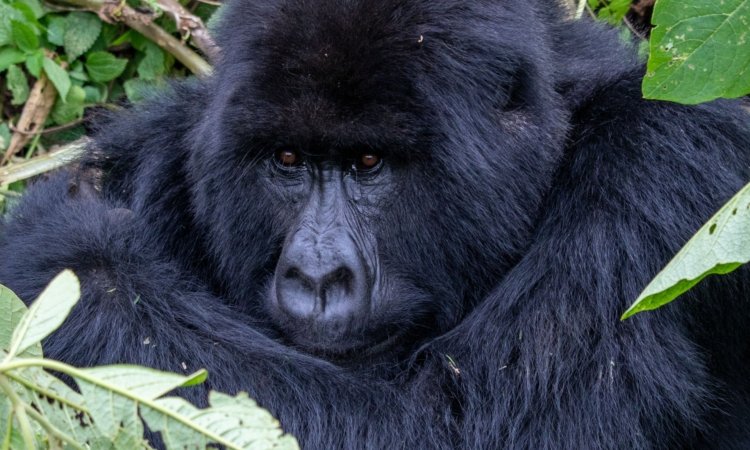
Uganda gorilla trekking safari tours give travelers the chance to walk into the rainforest and spend one hour face to...
 Request Price
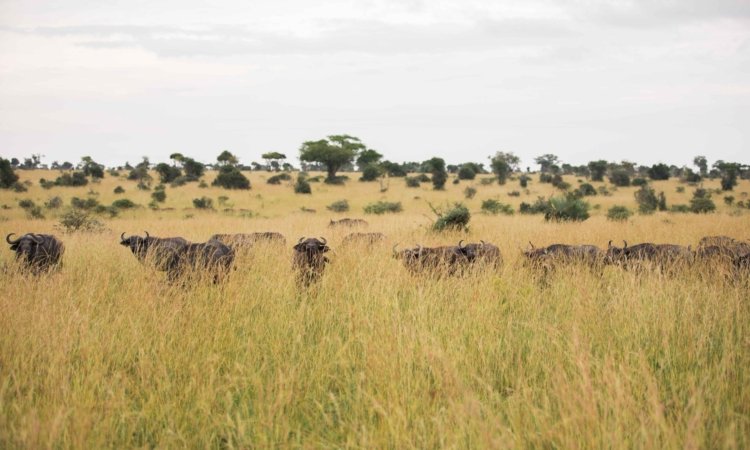
Rwanda gorilla trekking safari tours give travelers a rare chance to spend one hour with wild mountain gorillas in the...
 From USD 200 Per Day
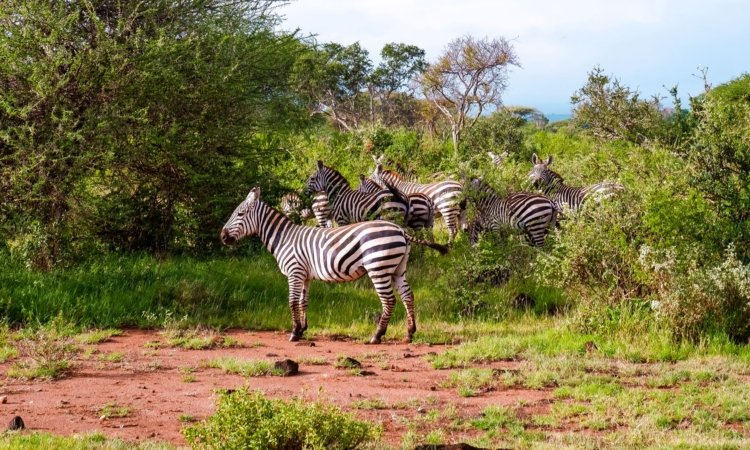
Explore Uganda's national parks for gorilla trekking, chimpanzee tracking, Big Five wildlife viewing, and mountain climbing adventures.
 From USD 250 Per Day
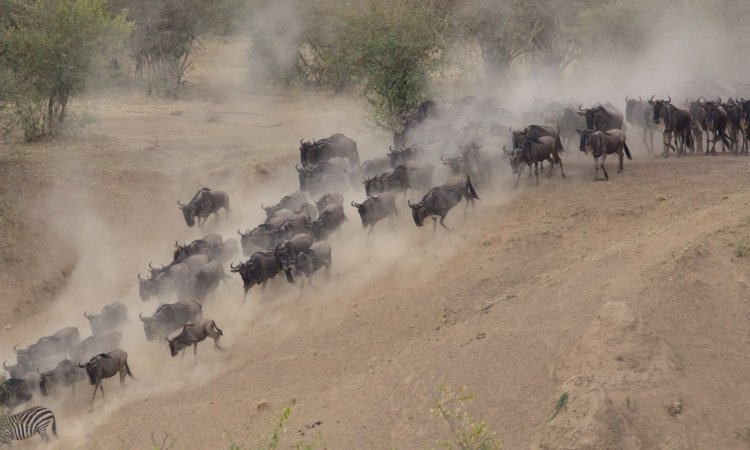
Trek gorillas in Volcanoes National Park, spot the Big Five in Akagera, and explore Nyungwe's canopy walk in Rwanda.
 From USD 200 Per Day
Explore Uganda, Kenya, Tanzania, and Rwanda's top parks for Big Five wildlife, gorilla trekking, and unforgettable mountain climbing adventures.
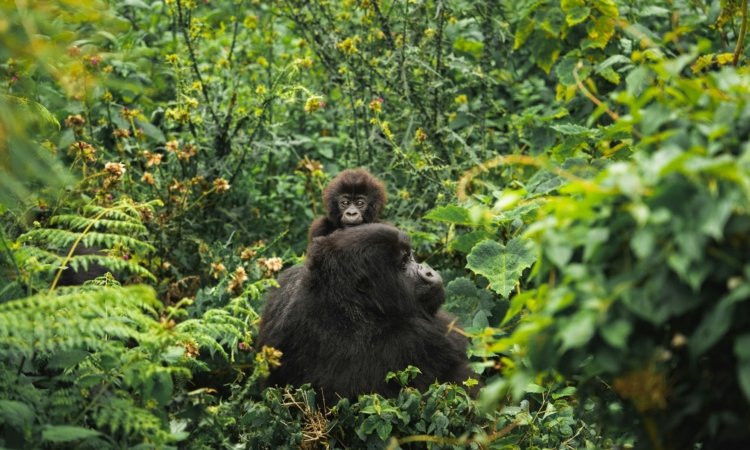 From USD 350 Per Day
Uganda's $800 permits and low-season discounts make gorilla trekking more affordable in both Uganda and Rwanda without sacrificing quality.
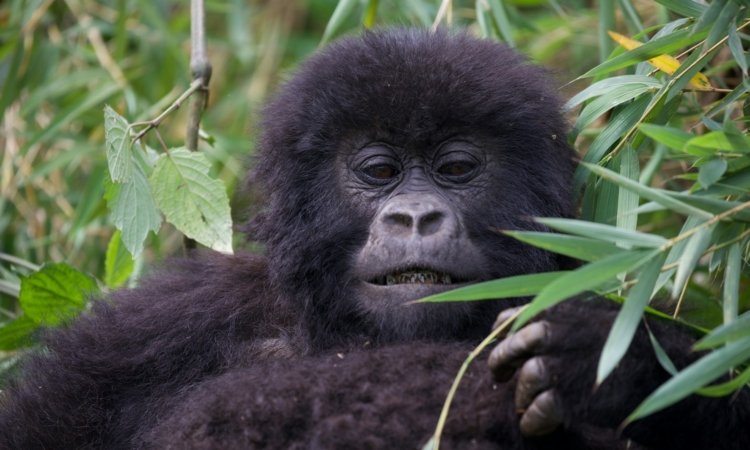 From USD 900 Per Day
Luxury gorilla trekking in Uganda or Rwanda combines top lodges, private flights, and comfortable transport for an elevated safari experience.
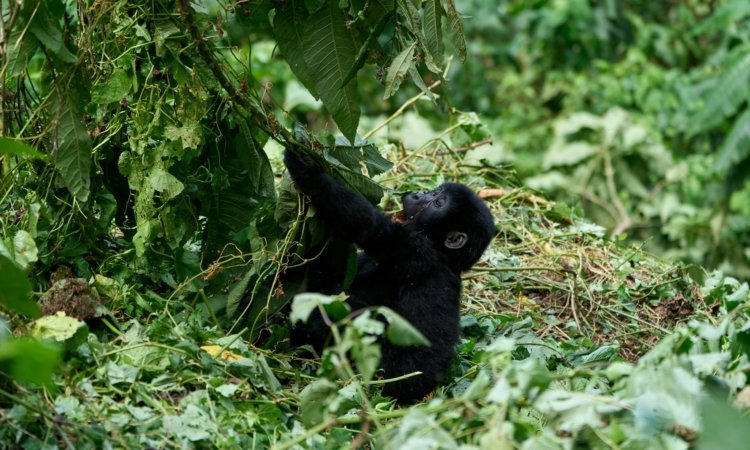 From USD 400 Per Day
Bwindi's four sectors, Rushaga, Buhoma, Ruhija, and Nkuringo, offer over 18 habituated gorilla families to trek across varied terrain.
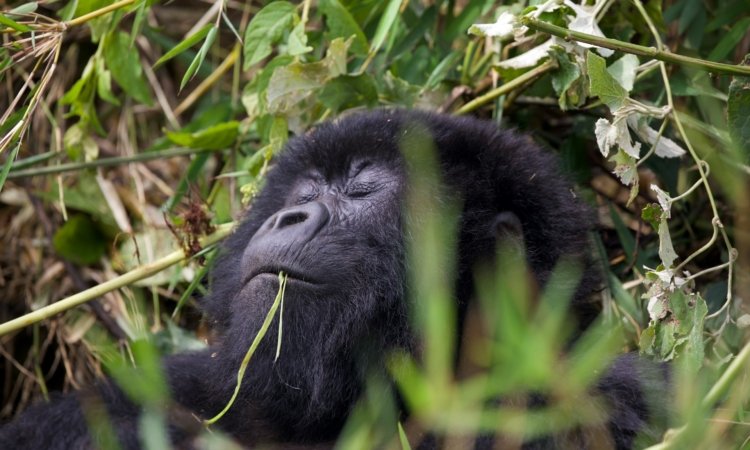 From USD 400 Per Day
Trek the Nyakagezi family, hike three Virunga volcanoes, or track golden monkeys in Uganda's quieter, more intimate gorilla park.
 From USD 1500 Per Person
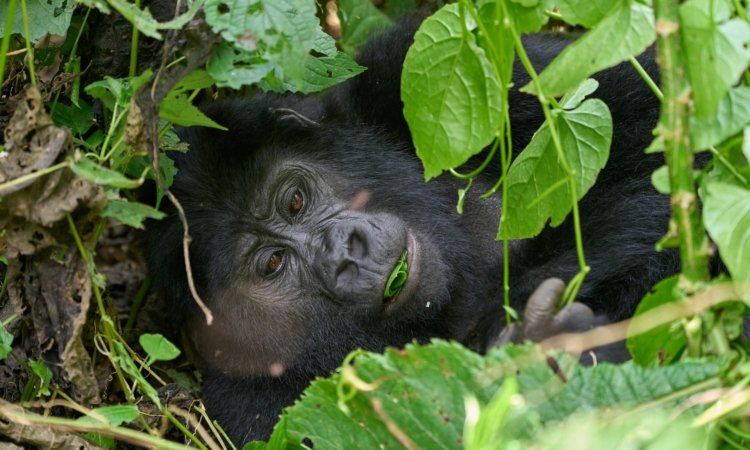
Uganda's Rushaga gorilla habituation experience in Bwindi Impenetrable National Park rewards you up to 4 hours with gorillas.
Read what our clients have to say about us. You can read even more reviews on TripAdvisor.




We plan gorilla treks that are enjoyable and affordable, because we love gorilla trekking as much as you do.
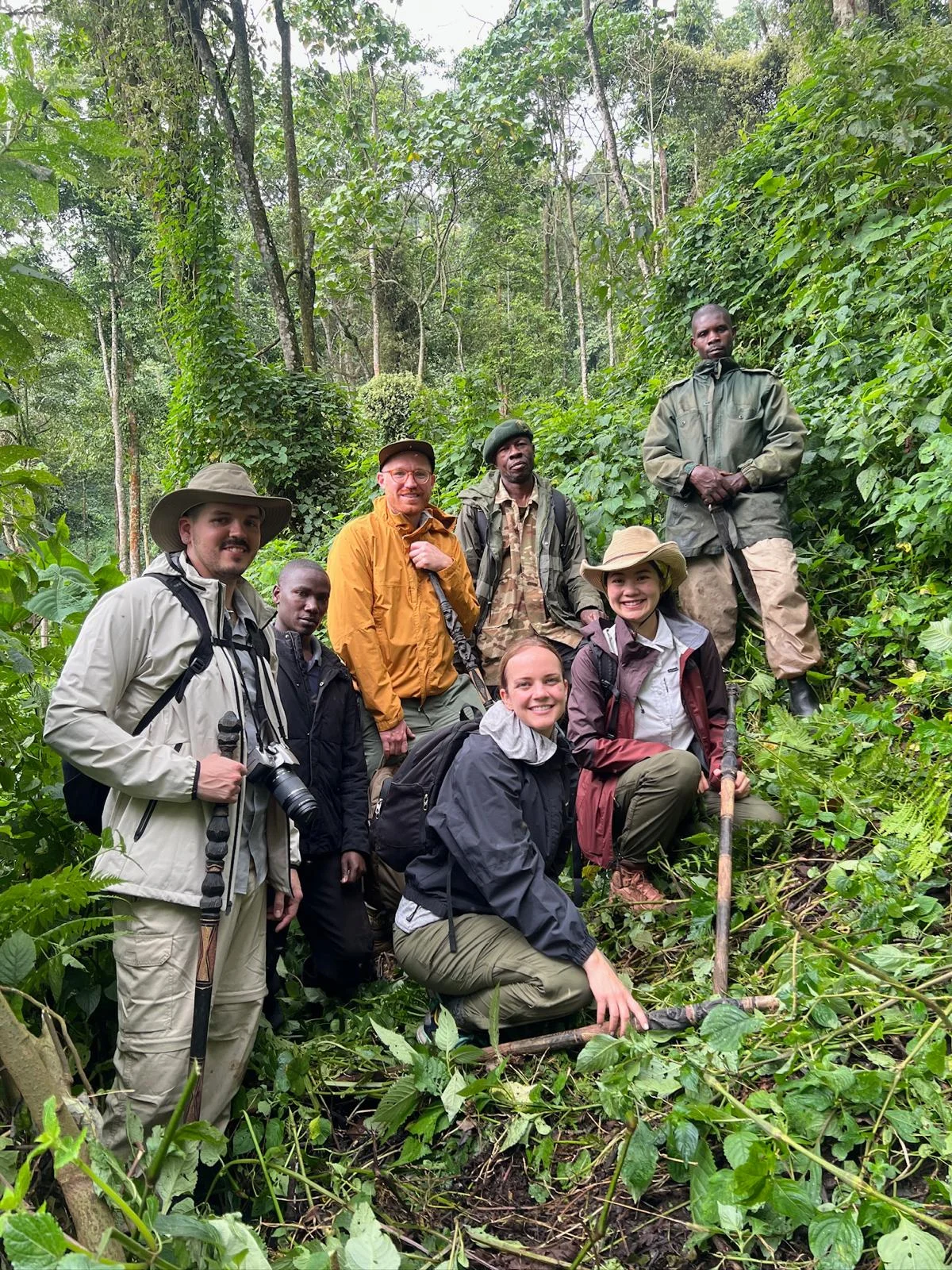
We are a gorilla trekking operator, agency, and Destination Management Company (DMC) based in Kampala, Uganda. Our Uganda Tourism Board license number is UTB/RTT/TO/2023/100931.
Read moreAlong with our carefully planned gorilla trekking packages and years of experience, we offer flexible and friendly booking terms.
We promise to plan, handle, and manage your gorilla trek carefully and correctly, from start to finish.
We are committed to excellent service and to making every gorilla trek as smooth as possible.
We profit from gorilla trekking tourism, and we make sure others do too. A portion of our profits supports single mothers in communities near the gorilla parks.
We plan your gorilla trek the right way, starting with a clear and simple planning process.
We listen to your gorilla trekking needs, then recommend and advise on the best options for your trip.
We talk through your options, match you to the right gorilla trekking itinerary, and refine it based on your feedback.
We confirm your gorilla trekking booking and handle reservations while we finalize any remaining details.
Call us now or book a video call, and we'll help you plan your gorilla trekking safari.