Top Rwanda Safari Tour Packages 2026/2027
See our Rwanda tour packages below and start planning the gorilla safari Rwanda has to offer.
See our Rwanda tour packages below and start planning the gorilla safari Rwanda has to offer.
 from $2010 Per Person
 Request Price
 Request Price
 from $2225 Per Person
 Request Price
 from $2300 Per Person
 Request Price
 Request Price
 Request Price
 from $2900 Per Person
 from $4000 Per Person
 Request Price
 from $4500 Per Person
 from $5000 Per Person
Rwanda, also known as the land of a thousand hills, is one of the African countries worth visiting for a gorilla trekking safari. Located in East Africa, it’s one of the smallest countries in the world, with just three main national parks, though what it offers is far bigger than its size suggests.
Despite its size, the country has great diversity in its tourism offering. One of Africa’s oldest national parks, Volcanoes National Park, is found in Rwanda, and it’s where you’ll go for gorilla trekking. Nyungwe is one of the largest montane forests in East Africa, while Akagera is one of the few parks in the region that shelters the Big Five. The only canopy walk in East Africa is found in Nyungwe Forest, and Gisenyi’s beaches, on the shores of Lake Kivu, one of the deepest freshwater lakes in the world, offer a fine spot to relax.
A Rwanda tour lets you explore this hilly, mountainous country in full, from encountering mountain gorillas to visiting the country’s genocide memorial sites.
Since May 2017, Rwanda has positioned itself as a higher-end gorilla tourism destination, after doubling its permit price from $750 to $1,500 for all nationalities. The fee is now USD 700 more than Uganda’s and USD 1100 more than Congo’s.
Rwanda’s edge over these countries is the short distance between Kigali and Volcanoes National Park, along with a strong road network. When you book a Rwanda gorilla tour, you’ll spend around 2 hours on the road to Musanze, and another 2 hours returning to Kigali, a notably shorter journey than in other countries.
While Rwanda has a reputation as a pricier destination, careful planning can still make a Rwanda safari work for your budget. The cost may be higher than a comparable trip in Uganda, but many travelers find it worth the difference.
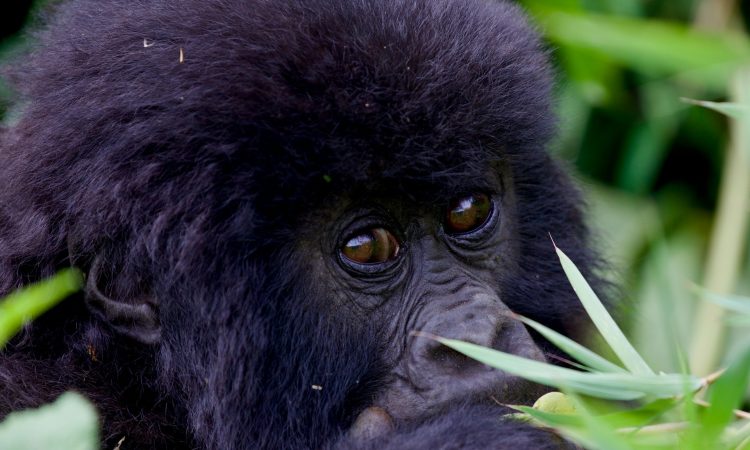
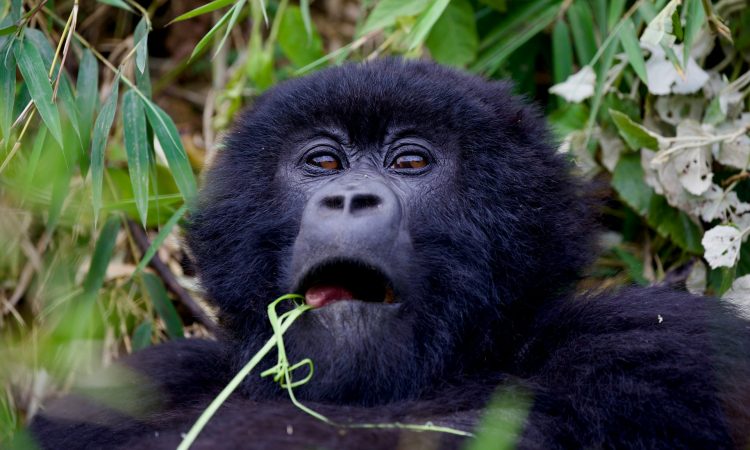
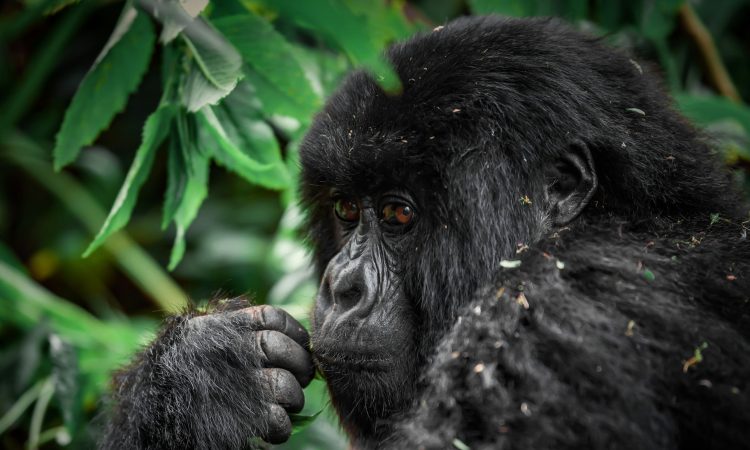
Your main reason to visit Rwanda is likely primates, mountain gorilla trekking in particular. Rwanda is one of only three countries in the world where mountain gorillas live, and it’s widely considered the birthplace of mountain gorilla conservation.
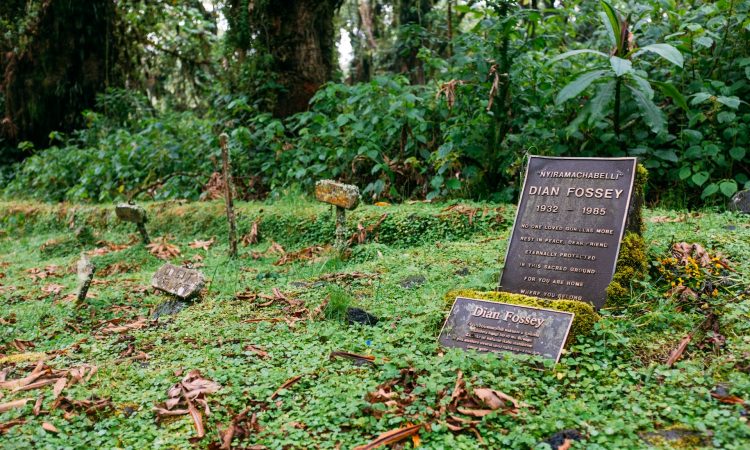
Dian Fossey, an American primatologist, spent decades working to protect gorillas in Rwanda, work that later extended into Uganda and Congo and continues today. Her efforts are a major reason gorilla trekking in Rwanda exists in its current form.
Rwanda is also a strong destination for general game viewing, though Akagera National Park is currently the only Rwandan park offering this experience, home to all of the Big Five. Nyungwe Forest National Park is a good option for chimpanzee trekking, and it hosts East Africa’s only canopy walk, though sightings aren’t guaranteed. Often, you’ll hear chimpanzees before you see them. For a more reliable chimpanzee trekking experience, Uganda’s Kibale Forest National Park is worth considering. It’s also easy to combine Rwanda with a safari in a neighboring country.
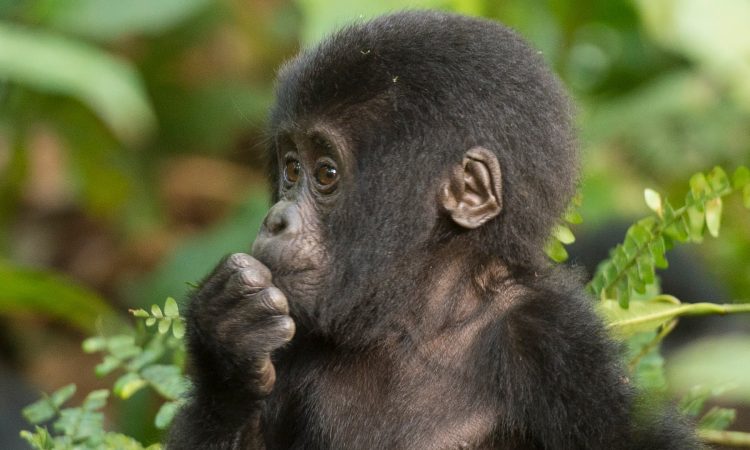
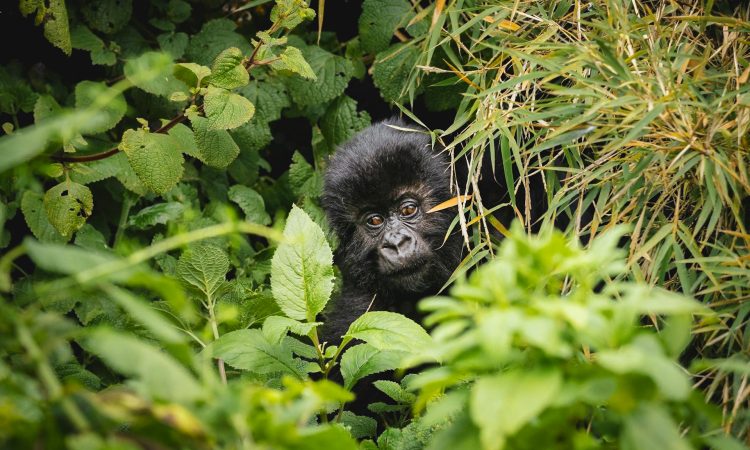
Gorilla safaris in Rwanda: Gorilla trekking is one of the main reasons travelers visit the country, and Volcanoes National Park offers an authentic trekking experience. Mountain gorillas are an endangered species, with a global population of around 1,063 spread across four national parks in three countries. Trekking one of Rwanda’s habituated families is a memorable, once in a lifetime experience with our closest relatives.
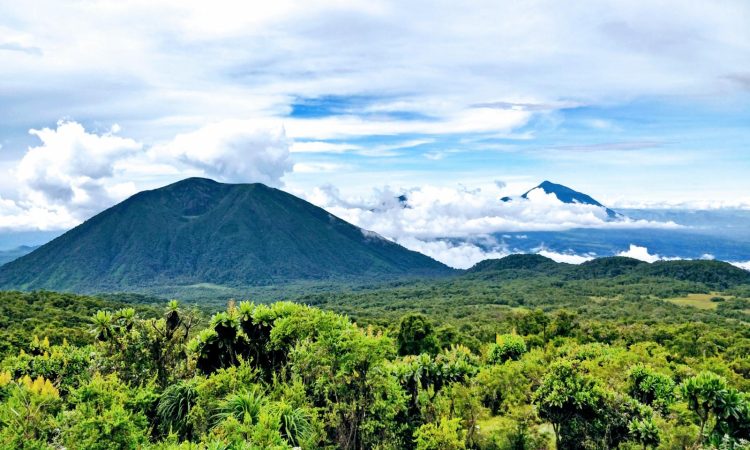
Mountain climbing tours in Rwanda: Rwanda offers some of the best mountain climbing in the region. Volcanoes National Park protects 5 of the 8 Virunga Massif volcanoes, which span Uganda, Rwanda, and the Democratic Republic of Congo, with Mount Karisimbi as the highest. The summits offer wide views over the surrounding countryside.
Gorilla trekking in Rwanda takes place from Volcanoes National Park, one of Africa’s oldest national parks, located in Musanze district in Rwanda’s Northern Province.
The park is just 2 hours from Kigali, which is a major reason many travelers choose to trek gorillas in Rwanda over other countries, since no one wants to spend over 8 hours reaching a park. Choosing Volcanoes National Park saves considerable time, though the price of a Rwanda gorilla permit can be a deciding factor for some travelers.
Permits cost USD 1500 in Rwanda, USD 800 in Uganda, and USD 400 in Congo. Many travelers who find the Rwanda price prohibitive instead arrive via Kigali, trek gorillas in Bwindi, and depart from Kigali, saving both time and money. We organize this type of combined trip; get in touch and we’ll send you a tailored package with pricing.
If you’re hoping for an easier trek, Rwanda is a good choice, since treks here are generally less demanding than in Uganda. Most visitors don’t take long to locate gorillas, though on occasion it can take longer, since gorilla families move regularly and can climb higher into the mountains, making the trek more difficult on any given day.
Some families are naturally harder to locate than others, and you can’t choose which family you’re assigned to trek. Allocation is essentially random, though it can be influenced by documented health considerations or, for older visitors, simply by age, since wardens will typically assign an easier group without requiring documentation.
Rwanda has four national parks; below are the three most visited.
Volcanoes National Park is Rwanda’s leading tourist destination, located in the northwest and covering 160 square kilometers. It was first gazetted in 1925 as part of Albert National Park, then shared with Congo, initially covering parts of Mount Karisimbi, Mount Mikeno, and Mount Bisoke, with the aim of protecting the region’s endangered mountain gorillas.
In 1929, the park was expanded across Belgian Congo and Rwanda to cover 8,090 square kilometers under Belgian colonial administration. In 1958, 700 hectares were cleared for settlement, and a further 1,050 hectares were cleared between 1969 and 1973 to grow pyrethrum.
Dian Fossey, the American primatologist, arrived at the park in 1967 to study and protect mountain gorillas, which were then close to extinction. She founded the Karisoke Research Center and worked to curb poaching in the park, before being killed in her cabin in 1985 by unknown assailants.
The park headquarters was attacked in 1992, and several rangers and staff were killed. During the Rwandan genocide, the park became a site of conflict, leading to a rise in poaching, deforestation, and other illegal activity. It reopened to tourism in 1999 and has since become a safe and well-established destination.
Volcanoes National Park is one of only four national parks in the world where mountain gorilla trekking is possible, with around 12 habituated families available to visit. A group of up to eight tourists may visit each family per day.
The park is also a strong birding destination, with 180 recorded species, 16 of which are Albertine Rift endemics, including the Rwenzori double-collared sunbird, scarlet-tufted malachite sunbird, Rwenzori turaco, and Doherty’s bush shrike, among others.
Golden monkeys can also be tracked here. This species is endemic to the Virunga Conservation Area across Uganda, Rwanda, and the Democratic Republic of Congo, living in troops of up to a hundred individuals on the lower mountain slopes.
Akagera National Park is Rwanda’s only savanna park, covering 1,122 square kilometers and taking its name from the Kagera River, which borders Tanzania within the park. Characterized by swamps, savanna grassland, and montane terrain, it’s the largest protected wetland in eastern-central Africa.
Established in 1934 under Belgian colonial administration, the park was once nicknamed “parc aux lycaons” for its large population of African wild dogs, though disease wiped them out, with the last sighting in 1984. Black rhinos, introduced from Tanzania in the 1950s, were eventually poached to local extinction, with the last seen in 2007. In recent years, the park has undergone significant reintroduction and conservation efforts.
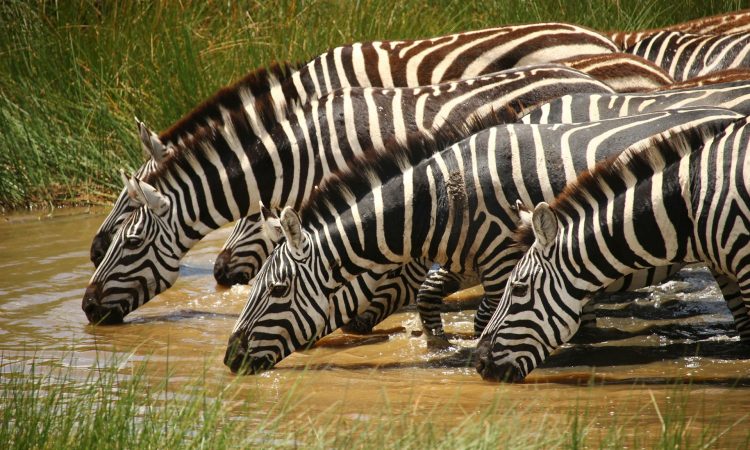
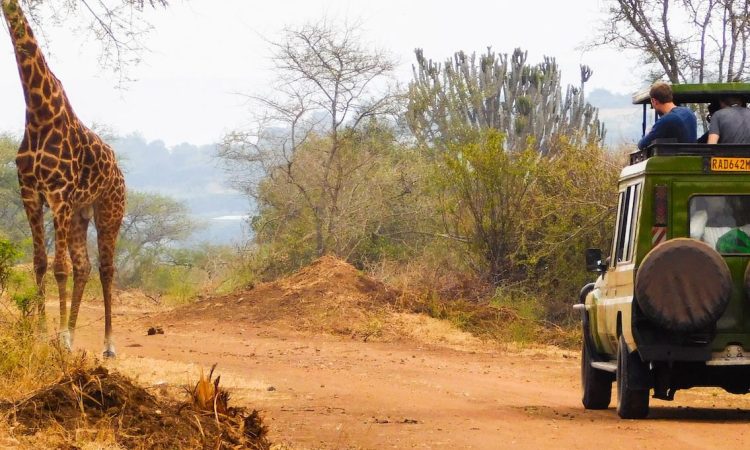
Akagera is home to a wide range of mammals, offering strong game viewing by day and night, including buffalo, elephant, zebra, duiker, bushbuck, Masai giraffe, klipspringer, defassa waterbuck, sitatunga, rhino, and lion.
It’s also Rwanda’s top birding destination, with over 500 recorded species, around 100 of which are found nowhere else in the country, including the short-tailed pipit, brown-chested lapwing, crested barbet, and Eleonora’s falcon.
Akagera offers three prescheduled boat cruises on Lake Ihema, giving visitors a close look at the lake’s wildlife, including water birds, crocodiles, and hippos. Fishing is also permitted in designated areas of Lake Shakani, mainly for catfish and tilapia, with a fishing permit costing USD 25 per person per day.
Nyungwe Forest National Park sits in southeastern Rwanda, covering 940 square kilometers. It protects one of Africa’s oldest forests, home to 13 primate species, 120 butterfly species, 322 bird species, 38 reptile species, 79 mammal species, over 1,000 plant species, and 140 orchid species.
The forest was significantly degraded by logging, land clearing, and poaching, with the last buffalo killed in 1974. In 1984, the government divided the forest to allow sustainable timber use, and the Uwinka headquarters and trail network were built in 1987, only to be destroyed during the 1994 genocide. Reconstruction began in 1995, and after the last elephant was poached in 1999, the government formally established Nyungwe as a national park in 2004 to protect its primates and rainforest.
Nyungwe is also Rwanda’s major water catchment area, supplying roughly 70% of the country’s water.
The canopy walkway is a must-see attraction, a 200 meter trail suspended 50 meters above the forest floor, the only one of its kind in East Africa, offering wide views over the last significant stretch of Afromontane rainforest and a good vantage point for spotting primates and birdlife.
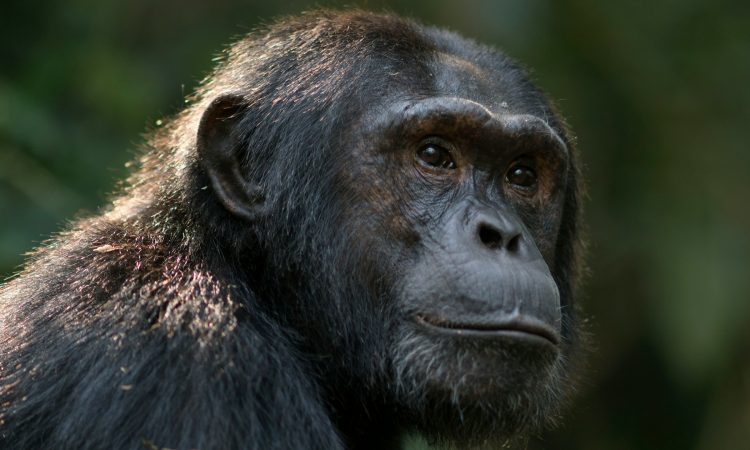
Chimpanzee trekking is Nyungwe’s main activity, with two habituated families available, sharing about 98% of their DNA with humans. Permits should be booked in advance, and only a group of eight is allowed to visit one family per day.
The park also hosts 310 recorded bird species, including the white-headed wood hoopoe, Ross’s turaco, red-faced woodland warbler, and great blue turaco.
Hiking and nature walks are also popular, with 13 established trails, each leading somewhere worthwhile. Along the way, you may spot primates such as owl-faced monkeys, grey-cheeked mangabeys, black and white colobus monkeys, olive baboons, and blue monkeys.
Rwanda is generally a safe country to visit, though it’s worth exercising caution near certain border areas, such as those with the Democratic Republic of Congo, and checking current advice before traveling there.
Standard travel precautions still apply, as they would anywhere: avoid carrying or displaying large amounts of cash, keep valuables secure and registered with your hotel, avoid public transport and walking alone at night, and don’t leave valuables such as passports inside a parked vehicle.
Rwanda is home to three main groups, the Tutsi, Hutu, and Twa people, who share a common language and cultural heritage. The Intore cultural dance is a central part of Rwandan ceremonies, festivals, and storytelling, and staple foods include bananas, sweet potatoes, and cassava, alongside a strong tradition of arts and crafts across the country.
Most nationalities can obtain a Rwandan visa on arrival at Kigali International Airport or at land borders. Citizens of certain countries may have their visa fees waived for a 30 day visit, East African Community citizens receive a free 6 month entry pass, and some nationalities are granted a 90 day visa free of charge. Check which category applies to your nationality before you travel. See our full Rwanda entry requirements guide for details.
Requirements typically include a valid passport, a yellow fever vaccination card, applicable visa fees, proof of sufficient funds, two recent color photographs on a white background, and, depending on your visa type, a cover letter or letter of invitation.
Rwanda can be visited year-round, though certain months suit specific activities better. For wildlife viewing, June to August and December to February offer the most favorable weather. For birding, November to April is best, when migratory birds are present in the parks. See our full best time to visit Rwanda guide for a month-by-month breakdown.
Choosing the right place to stay matters for a smooth trip. Kigali offers everything from upscale hotels to boutique guesthouses and budget hostels. Near Volcanoes National Park, you’ll find a range of lodges and eco-conscious options, while Akagera has comfortable safari lodges suited to savanna exploration, and Nyungwe Forest offers lodges set within lush forest surroundings.
Rwanda is in East Africa, bordering Uganda, Tanzania, Burundi, and the Democratic Republic of Congo.
Because the country is covered in green hills and mountains throughout.
Gorilla trekking, wildlife safaris, and its scenery.
Four: Volcanoes, Akagera, Nyungwe, and Gishwati-Mukura.
Volcanoes National Park, in the north of the country.
About a 2 hour drive.
The government raised prices to support conservation funding and position the country as a higher-end destination.
Yes, in Akagera National Park.
Game drives, boat cruises, bird watching, and fishing at Lake Ihema.
It’s home to chimpanzees, several monkey species, and East Africa’s only canopy walkway.
Nyungwe Forest National Park.
Yes, a 200 meter walkway in Nyungwe Forest.
Game drives, birding, cultural visits, mountain climbing, and boat trips.
June to August and December to February.
Yes, though normal safety precautions still apply.
From USD 2000, depending on trip length and type.
Yes, at Kigali Airport or land borders.
A valid passport, visa, and yellow fever vaccination card.
The Hutu, Tutsi, and Twa.
The Intore dance.
Bananas, cassava, sweet potatoes, and beans.
An American primatologist who worked to protect Rwanda’s mountain gorillas.
Hundreds of species, including sunbirds, turacos, and weavers.
Yes, easily with Uganda, Tanzania, or Congo. See our combined safaris for options.
Luxury lodges, mid-range hotels, or budget guesthouses near the parks.
One of the world’s deepest freshwater lakes, ideal for relaxing or boat rides.
Yes, including Mount Karisimbi, Mount Bisoke, and Mount Muhabura.
Easy access to gorillas, notable scenery, safe travel, and a rich culture.
Browse Uganda and Rwanda gorilla trekking tours by destination or holiday type, including budget, luxury, and Kigali-Bwindi trekking options.
 Request Price
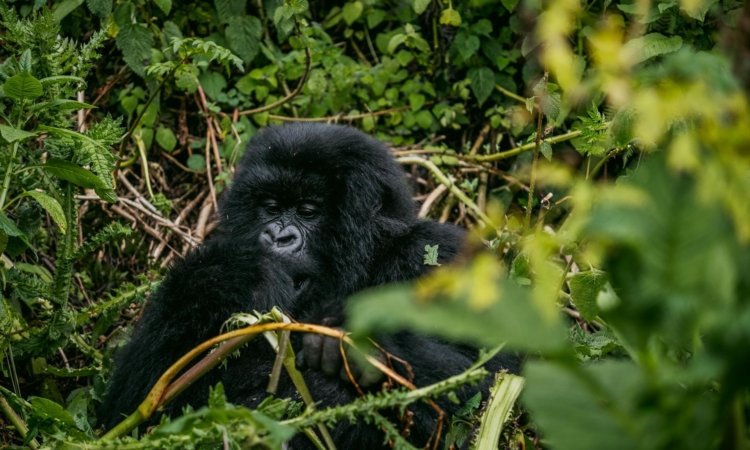
Uganda gorilla trekking safari tours give travelers the chance to walk into the rainforest and spend one hour face to...
 Request Price
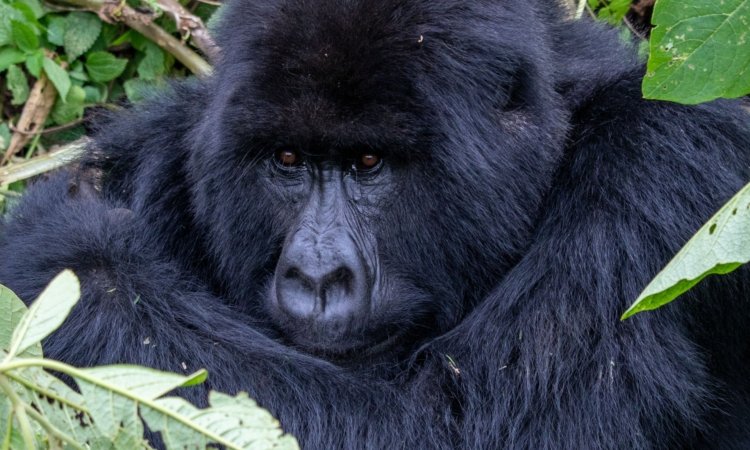
Rwanda gorilla trekking safari tours give travelers a rare chance to spend one hour with wild mountain gorillas in the...
 From USD 200 Per Day
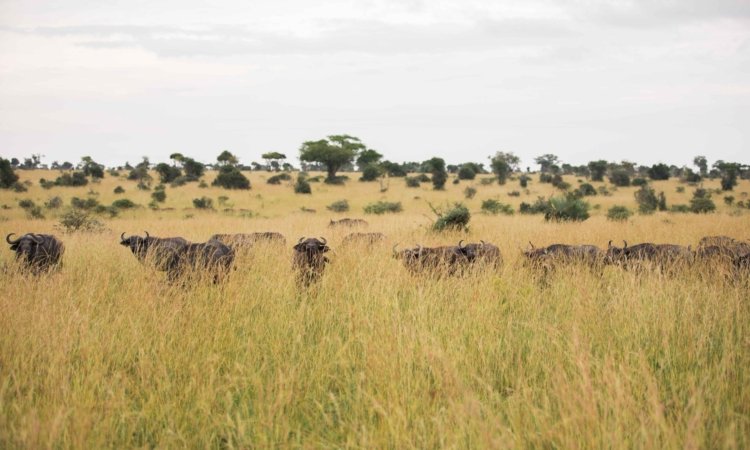
Explore Uganda's national parks for gorilla trekking, chimpanzee tracking, Big Five wildlife viewing, and mountain climbing adventures.
 From USD 200 Per Day
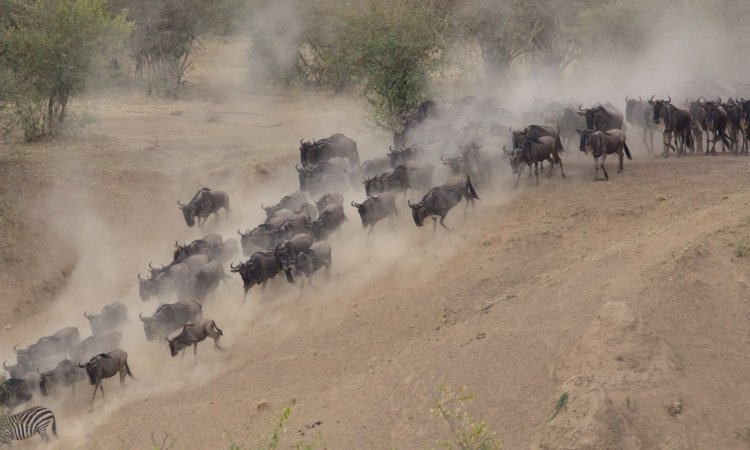
Explore Uganda, Kenya, Tanzania, and Rwanda's top parks for Big Five wildlife, gorilla trekking, and unforgettable mountain climbing adventures.
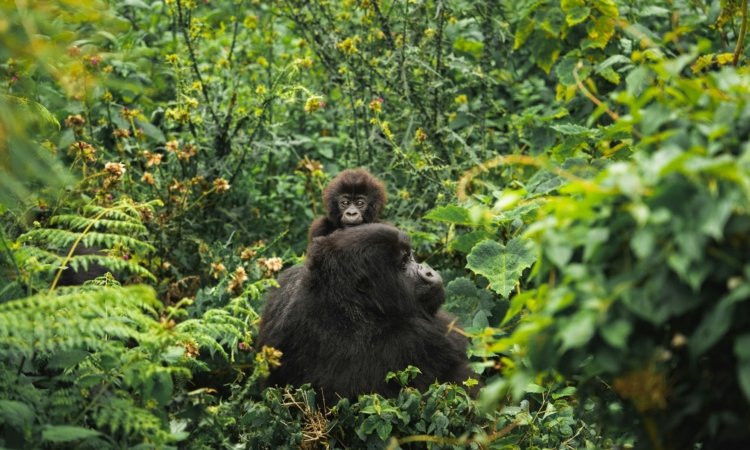 From USD 350 Per Day
Uganda's $800 permits and low-season discounts make gorilla trekking more affordable in both Uganda and Rwanda without sacrificing quality.
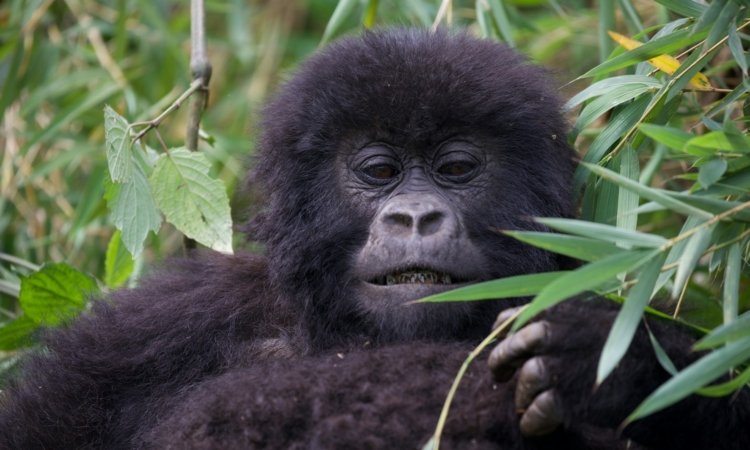 From USD 900 Per Day
Luxury gorilla trekking in Uganda or Rwanda combines top lodges, private flights, and comfortable transport for an elevated safari experience.
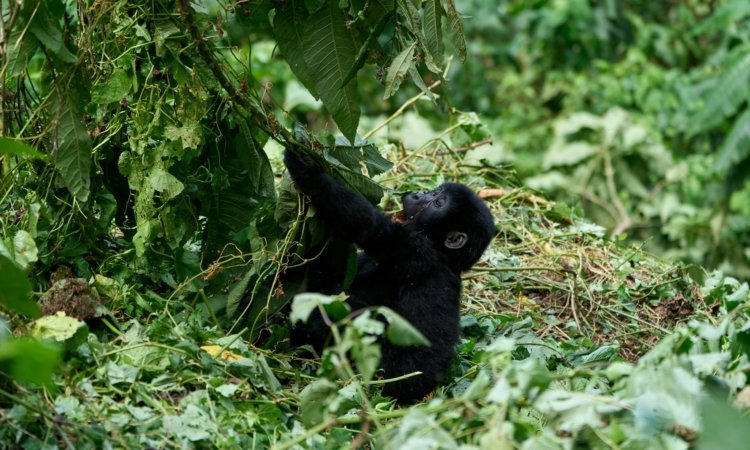 From USD 400 Per Day
Bwindi's four sectors, Rushaga, Buhoma, Ruhija, and Nkuringo, offer over 18 habituated gorilla families to trek across varied terrain.
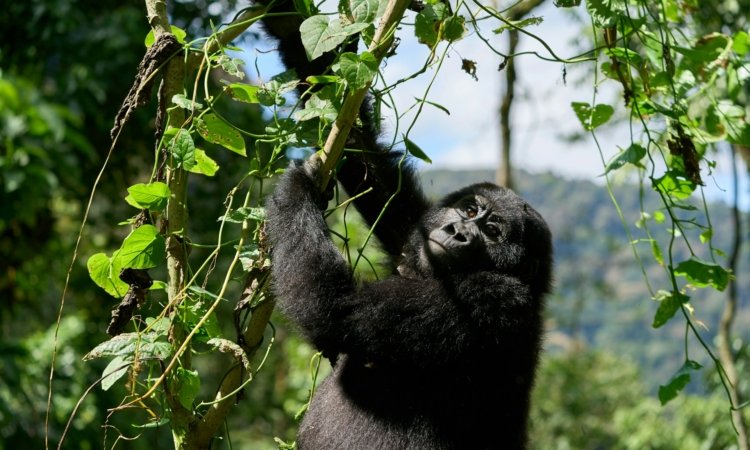 From USD 700 Per Day
Trek difficulty depends on your assigned family's location, with permits costing $1,500 during Rwanda's dry season.
 From USD 400 Per Day
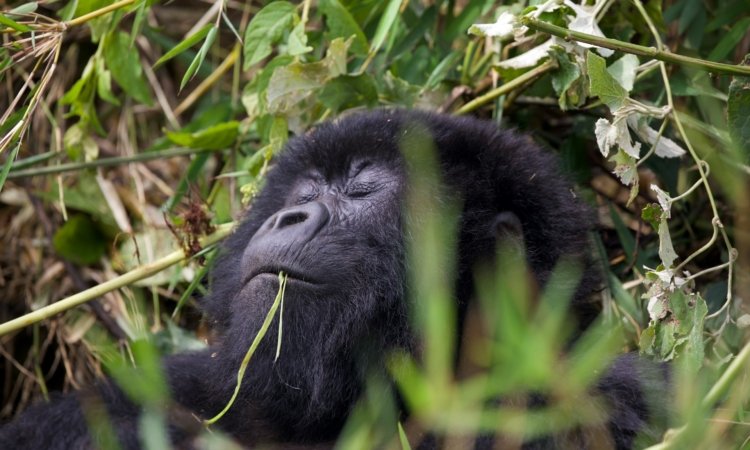
Trek the Nyakagezi family, hike three Virunga volcanoes, or track golden monkeys in Uganda's quieter, more intimate gorilla park.
 From USD 1500 Per Person
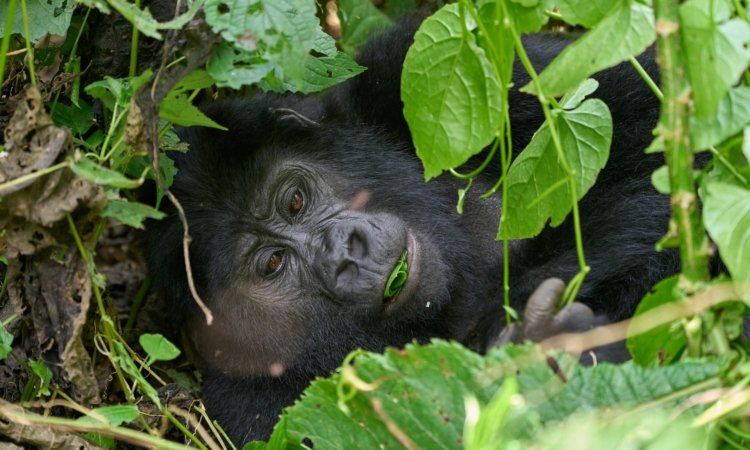
Uganda's Rushaga gorilla habituation experience in Bwindi Impenetrable National Park rewards you up to 4 hours with gorillas.
Read what our clients have to say about us. You can read even more reviews on TripAdvisor.





We plan gorilla treks that are enjoyable and affordable, because we love gorilla trekking as much as you do.
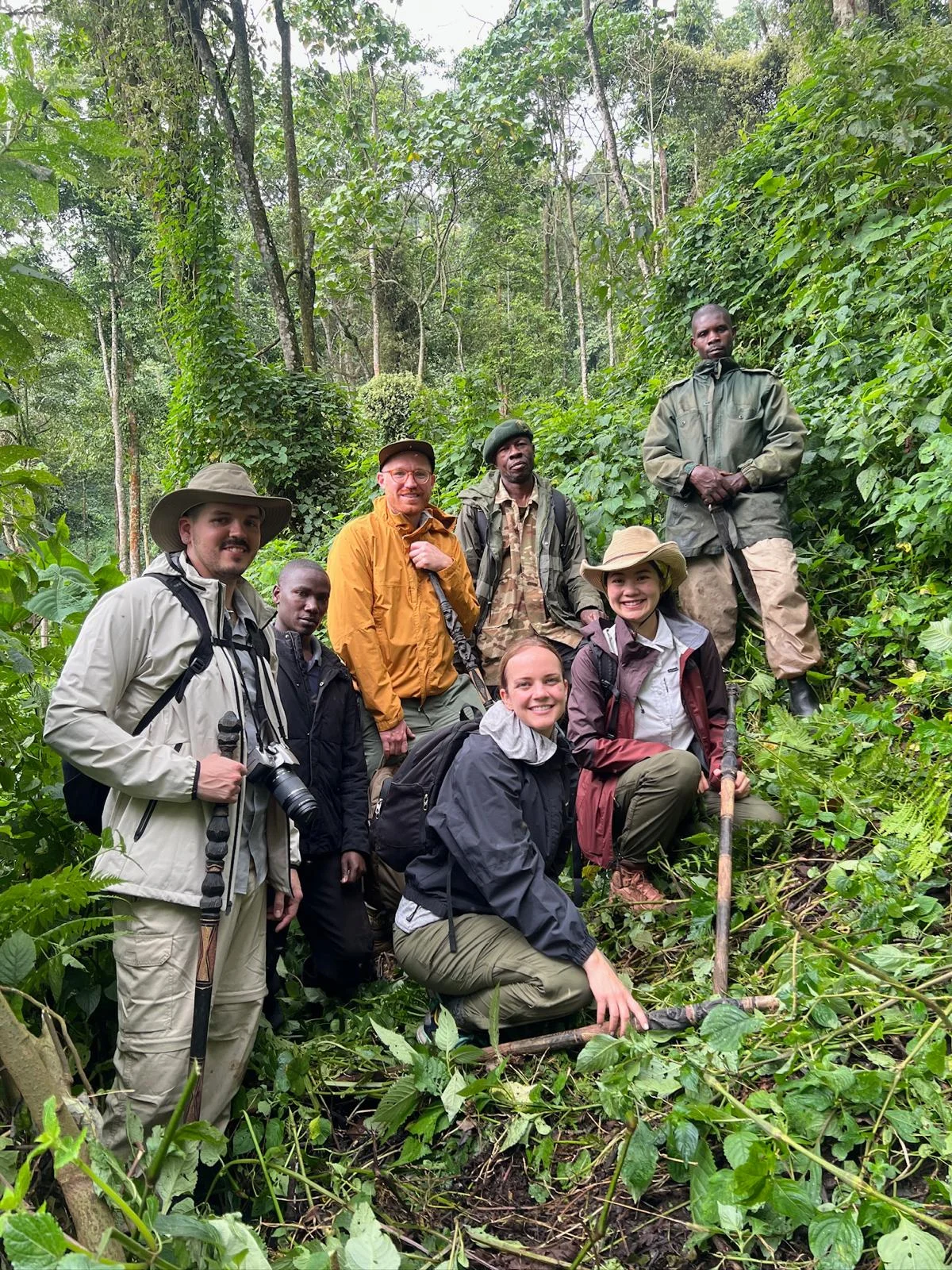
We are a gorilla trekking operator, agency, and Destination Management Company (DMC) based in Kampala, Uganda. Our Uganda Tourism Board license number is UTB/RTT/TO/2023/100931.
Read moreAlong with our carefully planned gorilla trekking packages and years of experience, we offer flexible and friendly booking terms.
We promise to plan, handle, and manage your gorilla trek carefully and correctly, from start to finish.
We are committed to excellent service and to making every gorilla trek as smooth as possible.
We profit from gorilla trekking tourism, and we make sure others do too. A portion of our profits supports single mothers in communities near the gorilla parks.
We plan your gorilla trek the right way, starting with a clear and simple planning process.
We listen to your gorilla trekking needs, then recommend and advise on the best options for your trip.
We talk through your options, match you to the right gorilla trekking itinerary, and refine it based on your feedback.
We confirm your gorilla trekking booking and handle reservations while we finalize any remaining details.
Call us now or book a video call, and we'll help you plan your gorilla trekking safari.