
The Bwindi massacre occurred in 1999 at Bwindi Impenetrable Forest National Park. Eight tourists were killed by the Army for the Liberation of Rwanda. The armed men were believed to be Hutu rebels who had taken part in the 1994 Rwandan genocide.
Bwindi Impenetrable Forest is located in the southwestern part of Uganda and is home to half of the world’s remaining population of mountain gorillas. The park was established in 1991 and covers 331 square kilometers. It is home to over 300 species of trees, 348 species of birds, 200 species of butterflies, 27 species of frogs, 104 species of ferns, and 120 species of mammals.
The park has four sectors for gorilla trekking: Buhoma, Ruhija, Rushaga, and Nkuringo.
The Attack
The victims included four British citizens, an American couple, and two New Zealanders. Four park employees were also killed at the campsite. Survivors among the 31 attacked tourists described how over 100 armed men emerged from the bush with rifles, machetes, and spears.
The rebels asked for British and American citizens in the crowd, looted buildings, set some on fire, and forced the tourists to march barefoot through the rainforest for a day. The rebels reportedly left notes on the bodies of the eight victims, stating the attack was revenge for British and American support of the Tutsi during the Rwandan conflict.
Bwindi Today
Today, Bwindi Impenetrable National Park is secure and considered one of the safer places to visit in Uganda. In the decades since the attack, security around the park has been significantly strengthened, and the park has since welcomed hundreds of thousands of visitors without a repeat of anything similar, reflecting the broader stabilization of the region.
Activities in Bwindi Today
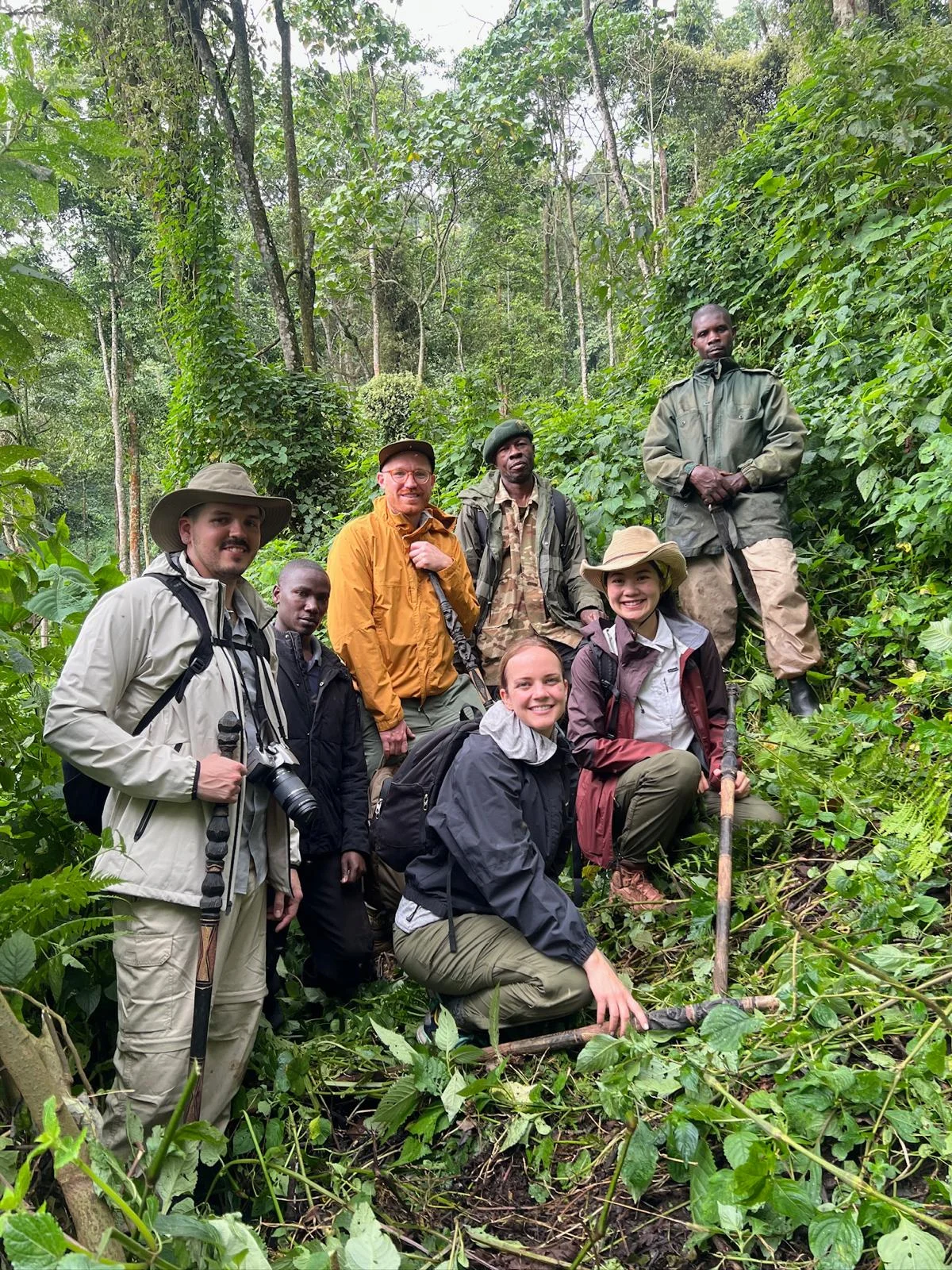
Gorilla Trekking: Gorilla trekking is one of the most popular tourist activities in Africa and can only be done in Congo, Rwanda, and Uganda. Bwindi Impenetrable Forest National Park is home to half of the world’s mountain gorilla population, with 12 habituated families available for trekking.
Gorilla Habituation: Bwindi Impenetrable Forest National Park is the only place where you can experience gorilla habituation. This involves joining scientists and researchers in the process of helping gorillas get used to human presence. It is more engaging than gorilla trekking, since it allows you to spend four hours with the gorillas, compared to one hour during trekking, and the number of participants is also limited.
Bird Watching: Bwindi Impenetrable Forest National Park is home to 348 species of birds, some found only in this area. Examples include the handsome francolin, African green broadbill, red-faced woodland warbler, chestnut-throated apalis, white-tailed crested flycatcher, cinnamon-chested bee-eater, yellow-streaked greenbul, and Shelley’s crimsonwing, among others.