Nyungwe Forest National Park is located in the southwestern part of Rwanda. It covers an area of 970 square kilometers and is known as one of the best preserved montane rainforests in Central Africa. The park was officially established in 2004. Explore our Rwanda safaris to see how a visit here fits into your trip.
The park is made up of rainforests, bamboo, swamps, bogs, open woodlands, marshes, and grasslands, providing habitat for many primates. Nyungwe Forest is home to 13 primate species, 1,068 plant species, 32 amphibian species, 85 mammal species, 200 tree species, 32 reptile species, 140 orchid species, 220 butterfly species, and 275 bird species.
There are more than 12 trails in Nyungwe Forest, each leading to a distinct destination. The park is the best place in Rwanda for chimpanzee trekking, with two chimpanzee families open to visitors. It is also the only place where you can see groups of over 300 colobus monkeys.
Nyungwe is the largest Afromontane forest in Africa and is known for its canopy walk, one of a kind in East Africa. The park’s rivers provide 75% of Rwanda’s water, with rivers on the eastern side flowing to the Nile and those on the western side flowing to the Congo River.
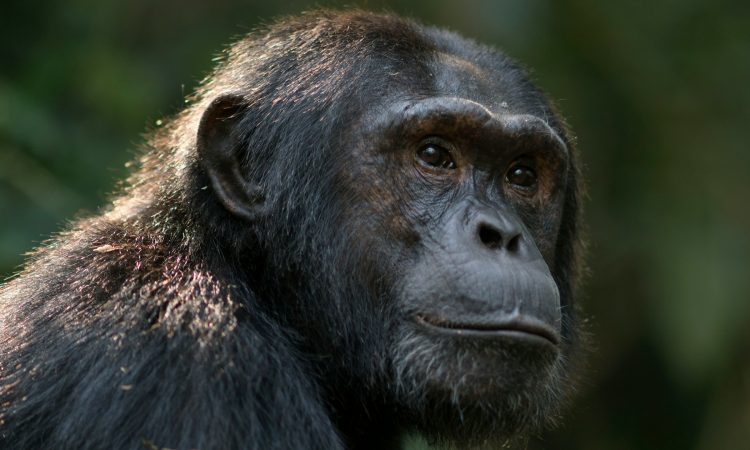
Chimpanzees in Nyungwe Forest
Chimpanzees live in the tropical forests of Africa in groups of 15 to 250 members, with smaller groups moving around during the day to feed. Their social structure is male dominated.
Female chimpanzees have a gestation period of about eight months. After giving birth, they nurse their young for about three years, and even after weaning, the young stay close to their mothers. Visitors to Nyungwe have a chance to observe these intelligent animals up close.
The Nyungwe Chimpanzee Trekking Experience
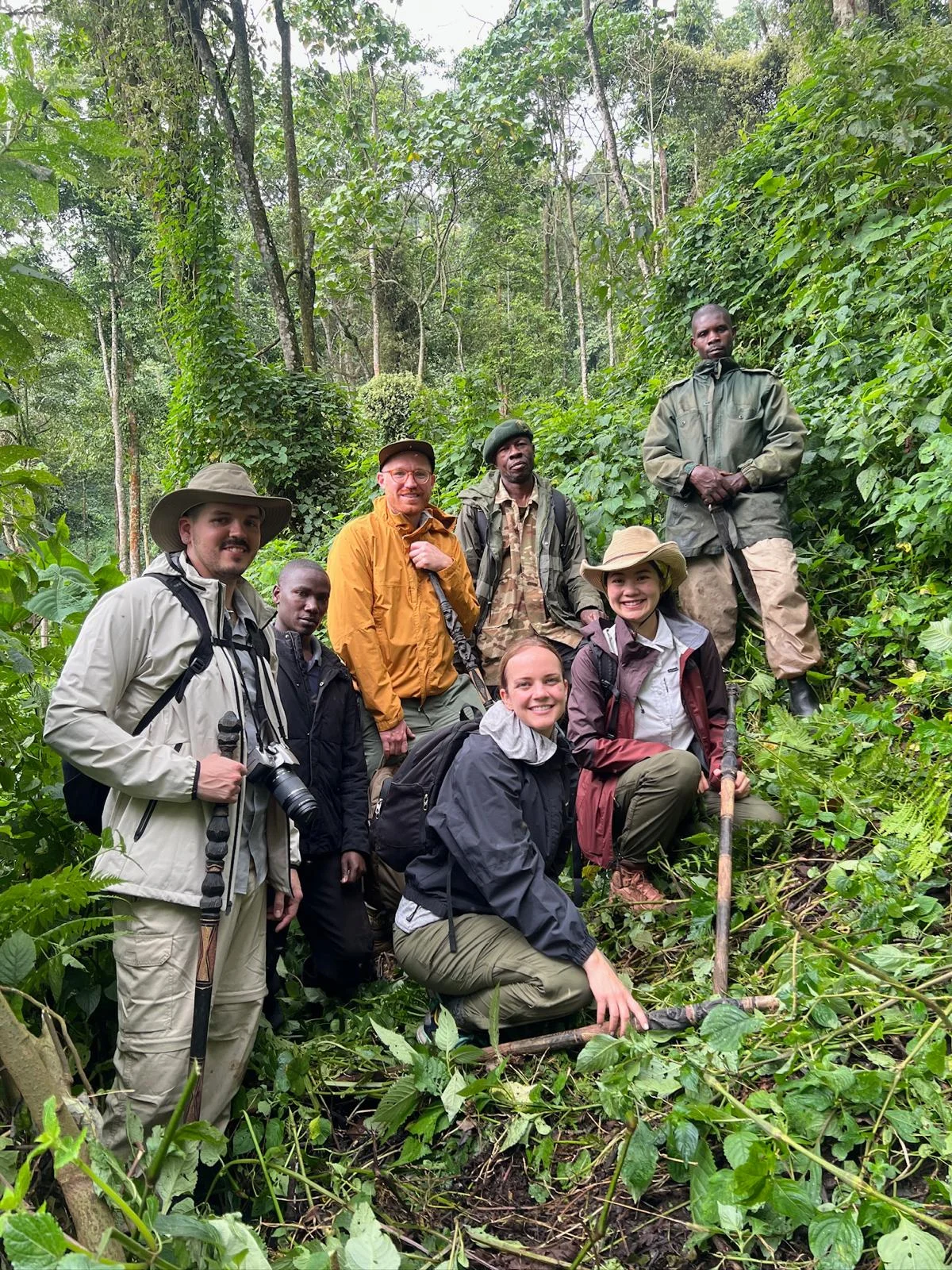
Chimpanzee trekking starts early in the morning, around 5 a.m. After a short briefing at the park headquarters, visitors are divided into groups of up to eight people. Only those without infectious illnesses like flu or a cough are allowed to participate, to protect the chimpanzees’ health.
Nyungwe has two habituated chimpanzee groups: one in Cyamudongo Forest and another near the Uwinka Reception Center. Trekking duration depends on the terrain, fitness level, and the chimps’ movements.
Visitors are advised to carry hiking boots, gloves, binoculars, insect repellent, plenty of drinking water, snacks, sunglasses, a hat, a raincoat, and a walking stick. Once you find the chimps, you can spend an hour observing and photographing them. Unlike gorillas, which tend to stay in one place, chimpanzees move frequently through the trees, making the trek more active.
During the trek, you may also spot other primates, such as red-tailed monkeys, vervet monkeys, L’Hoest’s monkeys, grey-cheeked mangabeys, olive baboons, and Rwenzori colobus monkeys.
Chimpanzee Permits
A chimpanzee permit is issued by the Rwanda Development Board to allow tourists to trek chimpanzees. Because of high demand, it’s best to book your permit in advance, especially during peak season. Children under 15 are not allowed to trek chimpanzees.
The permit costs $100 for foreign non-residents, $50 for foreign residents, $10 for East African residents, and 500 Rwandan francs for Rwandan citizens. Foreign students pay $30, East African students $5, and Rwandan students 2,500 francs. Permits are non-refundable once purchased.
Visitors must also pay a park entry fee of $40 for foreign non-residents. This fee covers conservation and guide services. Payments can be made through the Rwanda Development Board or a trusted travel agent.
Other Things to Do in Nyungwe Forest
Birding: Nyungwe Forest is home to about 275 bird species, including 29 Albertine Rift endemics. Notable species include the giant forest hornbill, Rockefeller’s sunbird, Rwenzori turaco, red-breasted sparrowhawk, mountain masked apalis, regal sunbird, and many more. The best time for birding is from November to April, when migratory birds from North Africa and Europe visit the park.
Canopy Walkway: The canopy walk in Nyungwe is one of the park’s main attractions. It is a 250 meter walkway suspended 50 meters above the ground, offering a clear view of the forest from above. Children under six are not permitted, for safety reasons.
Nature Walks and Hiking Trails: Nyungwe has many guided hiking trails, ranging from short 30 minute walks to multi-day hikes. These trails lead to viewpoints, waterfalls, and other attractions. Popular trails include Rukuzi, Congo Nile, Imbaraga, Muzimu, Karamba Birding, Irebero, Isumo Waterfall, Ngabwe, Kamiranzovu Marsh, and Bigugu.
Colobus Monkey Trekking: Nyungwe is home to several large troops of colobus monkeys. Visitors can see groups of up to 200 individuals, along with other primates such as owl-faced monkeys, blue monkeys, and red-tailed monkeys.
History of Nyungwe Forest
Nyungwe Forest was first declared a reserve by the German colonial government in 1903. Between the late 1950s and 1973, much of the forest was lost to deforestation, poaching, and wildfires, leaving only about 150 square kilometers standing.
By 1975, elephants had been hunted for ivory, and buffalos were already extinct in the area. Conservation facilities were later set up at the Uwinka Reception Center but were destroyed during the 1994 Rwandan genocide. Restoration began in 1995, and the area was declared a national park in 2004.
Location
Nyungwe Forest National Park lies on the border of Rwanda and Burundi, near Kibira National Park in Burundi. The park headquarters at Uwinka is about 219 kilometers from Kigali, roughly a four hour drive. There are three main reception centers: Uwinka in the middle of the park, Gisakura, and Kitabi.
Best Time to Visit Nyungwe
Nyungwe Forest can be visited throughout the year. However, the best time to visit is during the dry seasons, from June to August and December to February, when trails are drier and easier to hike. See our full best time to visit Rwanda guide for more detail.
Accommodation in Nyungwe
There are no hotels inside the park, but several campsites and lodges are available nearby. Options include Top View Hill Hotel, Nyungwe Forest Lodge, Gisakura Family Hostel, Zziza Eco Lodge, Rwiza Village, Gisakura Guest House, and Macheo Eco Lodge, among others.
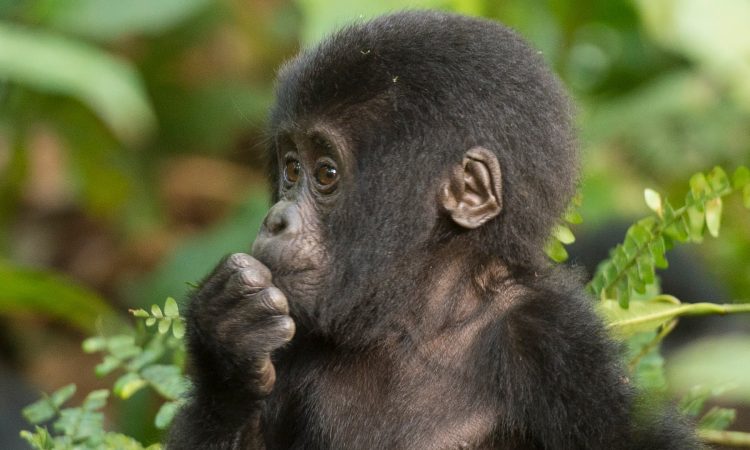
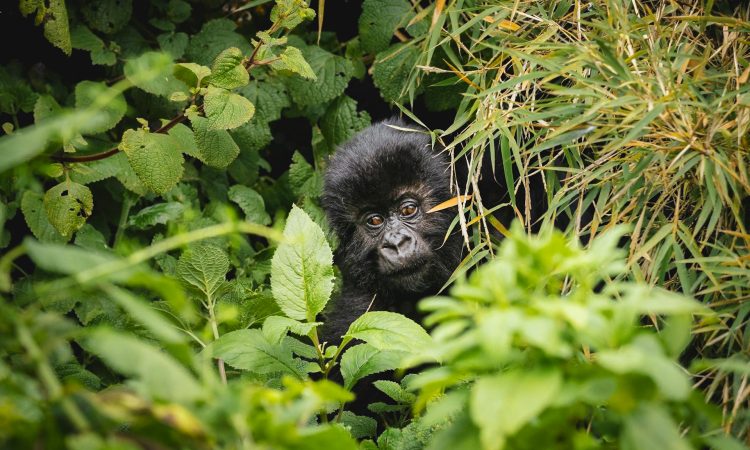
Tourists visiting Nyungwe Forest National Park in May and November can also include mountain gorilla trekking in their itinerary. During these months, Rwanda offers discounted gorilla permits, making it a good time for a combined primate safari.