Rwanda is a landlocked country located in Central Africa, bordering Tanzania, Uganda, Burundi, and the Democratic Republic of Congo. Below are some interesting facts about this country.
Geography and Climate
Rwanda covers a total area of 26,338 square kilometers, with 24,948 square kilometers being land and 1,390 square kilometers made up of water bodies.
The country is also known as the “Land of a Thousand Hills.”
Rwanda has two climatic seasons: rainy seasons from February to April and November to January, and dry seasons from May to September and in December.
The highest point in Rwanda is Mount Karisimbi, at 4,519 meters above sea level, while the lowest point is the Ruzizi River, at 950 meters above sea level.
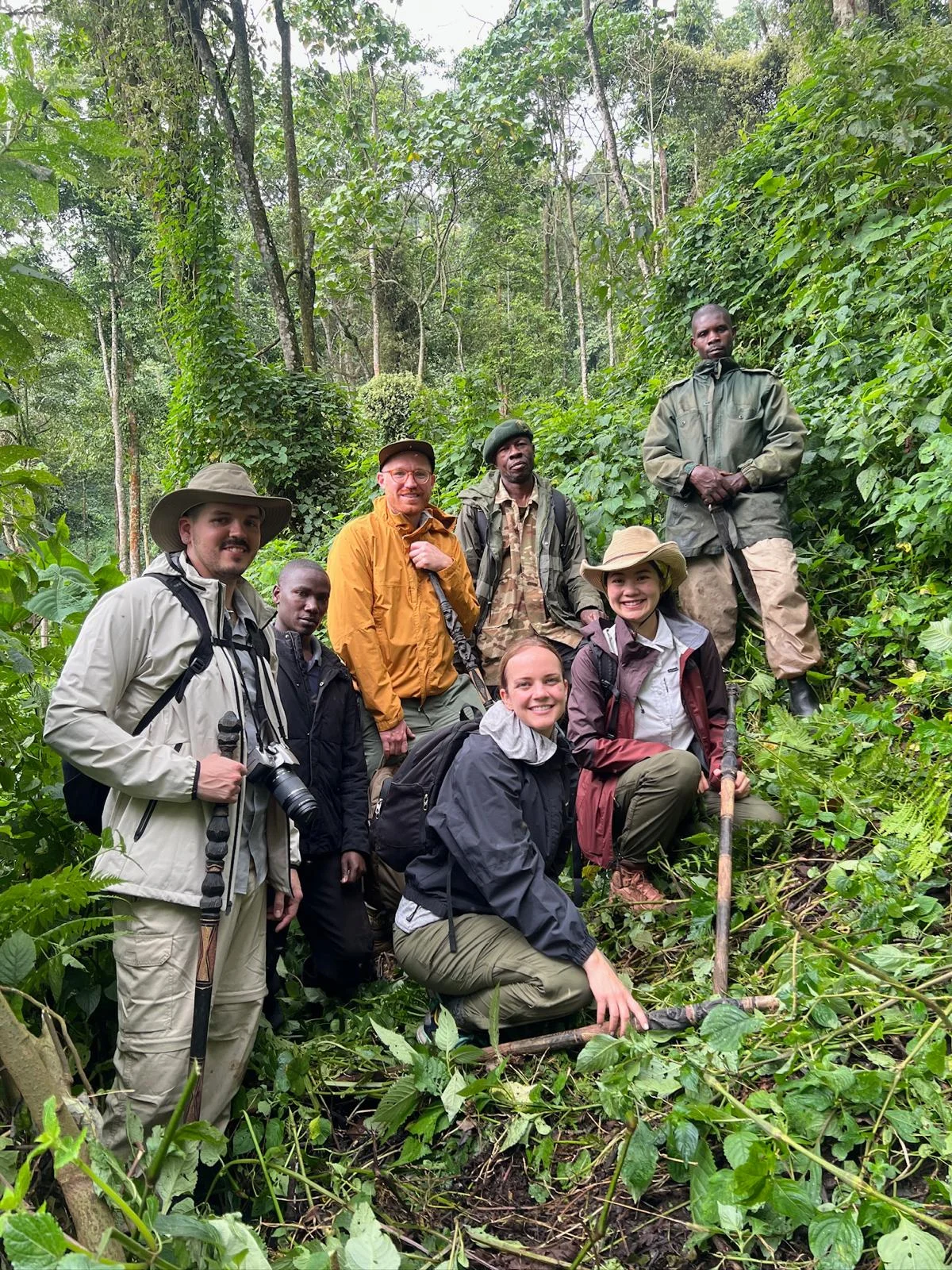
Rwanda is one of only three countries in the world where you can trek endangered mountain gorillas.
Business and Development
You can start a business in Rwanda within 48 hours, compared to an average of 11 days in high income OECD countries.
Rwanda has been ranked number one in Africa for gender equality. The country has the highest percentage of female representatives in parliament, with 64% of members being women.
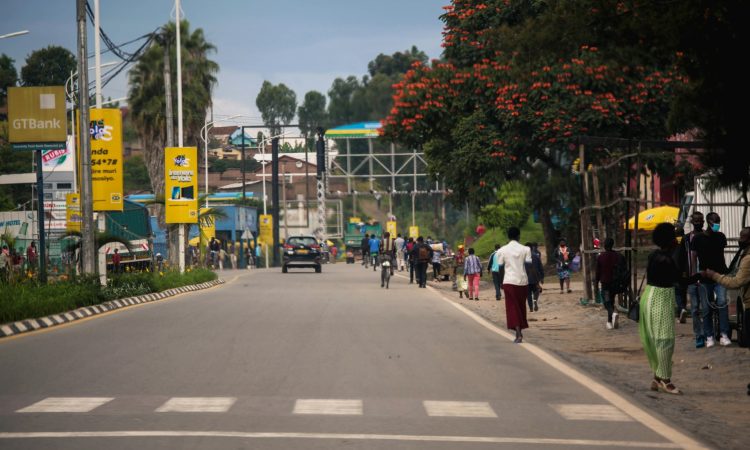
Rwanda has a tradition called Umuganda, which takes place on the last Saturday of every month. On this day, all Rwandans, including the president, take part in community cleaning, contributing to Kigali’s reputation as one of the cleanest cities in the world.
In 2007, Rwanda became the first country in the world to ban the use of plastic bags.
Rwanda is leading Africa’s digital development through the Smart Kigali Initiative, which provides wireless internet in public areas and 4G access to 95% of its citizens, in partnership with Korea Telecom.
Over 90% of Rwandans have access to medical insurance, helping Rwanda become one of the African countries to achieve the Millennium Development Goals.
Language, Culture, and Nature
Rwanda has four official languages: English, Kinyarwanda, Kiswahili, and French.
The Nyungwe Rainforest in Rwanda is the best preserved montane rainforest in Central Africa. Nyungwe Forest National Park also offers a well known canopy walkway.
History
Rwanda was colonized by Germany as part of German East Africa in 1884. Belgium took control in 1916, during World War I.
Rwanda is the most densely populated country in Africa, with limited natural resources and modest industrial development.
Rwanda is the fourth smallest country on the African continent, covering a total area of 26,338 square kilometers, and ranks as the 149th smallest country in the world.
Walking in public areas wearing flip-flop sandals is not permitted in Rwanda.
In 1959, the majority ethnic group, the Hutus, overthrew the Tutsi king. In the years that followed, many Tutsis were killed or driven into exile in neighboring countries. In 1994, the Rwandan genocide occurred, leading to the deaths of hundreds of thousands of people within 100 days. Visitors can learn more about this history at the Rwandan Genocide Memorial.
Religion, Life Expectancy, and Economy
The most common religions in Rwanda are Roman Catholicism, Protestantism, Seventh-day Adventism, and Islam.
Rwanda exports tea, coffee, hides, and tin ore.