The Rwanda Art Museum is located in Kanombe, 4 kilometers from Kigali International Airport. This place was once called the Presidential Palace Museum but was renamed the Rwanda Art Museum on May 18, 2018.
It was the home of Rwanda’s former president before his plane crashed, an event that played a significant role in the 1994 Rwanda genocide.
On April 6, 1994, the plane carrying Rwandan President Juvénal Habyarimana and Burundian President Cyprien Ntaryamira was shot down as it approached Kigali. The plane crashed into the president’s residence.
Pieces of the plane can still be seen at the site today. Both presidents were Hutu, and the incident triggered the genocide between the Hutu and Tutsi, one of the most brutal episodes in Rwanda’s history, in which over a million Rwandans were killed within a matter of months.
The History of the Presidential Residence
President Habyarimana wanted a grand residence and hired a French architect to design it. The house was built between 1976 and 1980.
It turned out to be extensive, with many rooms, including hidden passages said to lead to spaces used for punishing those who defied him.
There was also a room associated with traditional and spiritual practices tied to the president.
The house has a distinctive layout, with some rooms in excellent condition and others in poor condition, all under the same roof.
Outside, areas like the tennis court, swimming pool, and gardens remain well maintained, with flowers and trees throughout the grounds.
There are also the remains of a concrete pond that once housed a large python, said to have been the president’s pet snake.
The snake was believed by some to protect the house from evil spirits and deter unwanted visitors. The pond was damaged in the plane crash, and the snake was never seen again.
The Art Collection
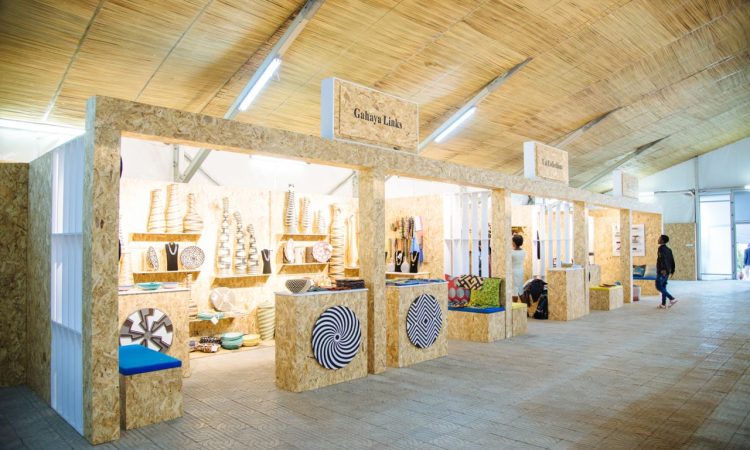
Most of the art displayed at the museum was created by Rwandan artists, with some pieces contributed by international artists as well.
The museum focuses on showcasing Rwandan creativity and how it has evolved over the years, from traditional to modern times, blending both styles throughout its collections.
The Rwanda Art Museum is one of eight museums that make up the Institute of National Museums of Rwanda. Alongside its permanent art collections, the museum also hosts temporary exhibitions.
Visitor Information
The museum is open daily from 8:00 a.m. to 6:00 p.m., except on April 7, when it is closed, and on Umuganda days, the last Saturday of every month, when it opens from 11:00 a.m. to 6:00 p.m.
Entrance fees are 6,000 RWF for non-residents, with a lower rate for Rwandan residents. Taking photos inside the building requires an additional fee of 2,000 RWF, though photos outside are free.
A full tour of the building takes about 2 hours, and tours are guided, with guides on hand to explain the history and answer questions.
Visiting the museum offers insight into the events surrounding the start of the 1994 genocide and a chance to see the physical remains of that period.
There is much to learn here, offering visitors a meaningful story to reflect on and carry with them. This site preserves one of the more painful chapters of Rwanda’s history.
Activities at the Rwanda Art Museum
Art Exhibitions: Temporary art exhibitions run alongside the permanent art collections, giving artists a chance to meet and exchange ideas. The Institute of National Museums of Rwanda provides dedicated space for artists to showcase their work.
Art Kids’ Studio: Young visitors to the museum get a chance to express their own creativity. Children enjoy painting artworks inspired by their imagination, making this a fun and educational activity for families.