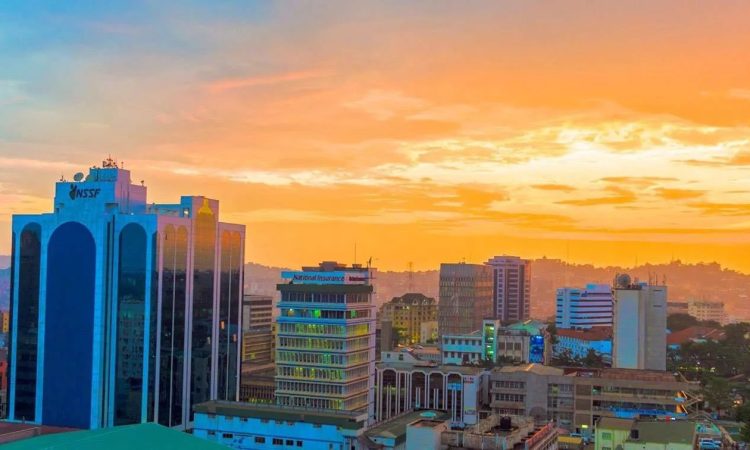
Kampala is the capital city of Uganda, located in the central part of the country. The city was once a hunting area for the former Kabaka of the Buganda Kingdom, known for its scenic rolling hills, seven in total, valleys, and wetlands that once harbored impalas.
Kampala became the capital city of Uganda in 1962, when the country gained independence from British rule. The name “Kampala” is derived from the local phrase “Ka’ Impala,” meaning “for impalas,” due to the abundance of these animals in the region.
The seven hills of Kampala include Mengo Hill, Rubaga Hill, Namirembe Hill, Makerere Hill, Kololo Hill, Nakasero Hill, and Kibuli Hill.
Things to Do in Kampala
Visit the Uganda Martyrs Shrine: The Uganda Martyrs Shrine, also known as the Namugongo Martyrs Shrine, marks the site where 32 people were killed due to their Christian beliefs on June 3, 1886. Pope Paul VI canonized 22 of the martyrs during his visit to Uganda on October 18, 1964. Every year on June 3, Christians from Uganda and other parts of the world walk to the Namugongo Martyrs Shrine to commemorate the lives of the martyrs, and visiting the shrine offers more insight into how the martyrdom unfolded.
Tour Lake Victoria: Lake Victoria is the second-largest freshwater tropical lake in the world. Located in the heart of the city, the lake features many beaches where visitors can relax. Activities include boat trips to explore its flora and fauna, relaxation, swimming, chimpanzee trekking at Ngamba Island, and fishing, along with sunset and launch boat trips.
Visit the Kasubi Tombs: The Kasubi Tombs, located just 3 kilometers from Kampala city center, are the burial place of Buganda kings and royals. Recognized as a UNESCO World Heritage Site, the tombs were initially built as a palace in 1882 by Kabaka Mutesa I. Visitors can learn about the Buganda kingdom and the kings who ruled it.
Wamala Tombs: The Wamala Tombs are the resting place of Kabaka Ssuna, the 29th King of the Buganda Kingdom. The tombs are located on a hill near Kagoma Hill, where Ssuna built a home for his mother. During a period of strife within the kingdom, Ssuna’s mother fled with him to Lake Wamala in Mityana. After her death, Ssuna returned and settled in Wamunyenye, renaming the place Wamala.
Visit Gaddafi Mosque: The Gaddafi Mosque, located in Old Kampala, offers one of the best views of the entire city from its top minaret. Built by former Libyan leader Colonel Gaddafi, it is the largest mosque in Kampala. Women are provided with headscarves and sarongs before the guided tour begins.
Tour Mengo Palace: Mengo Palace is the former residence of the Kabaka of the Buganda Kingdom. Constructed in 1922, it has remained vacant since 1966, when former Prime Minister Milton Obote ordered an attack on the palace to overthrow then-President Kabaka Mutesa II.
Uganda Museum: The Uganda Museum showcases natural, historical, cultural, and ethnological exhibits. As the largest museum in Kampala, it offers visitors a wealth of information, explained in detail by knowledgeable guides.
Ndere Cultural Center: The Ndere Cultural Center is a leading traditional cultural group in Kampala. Visitors interested in Uganda’s traditions and cultures can enjoy a dinner performance at the theater, where local dancers perform traditional songs and dances from tribes across Uganda.
Kabaka’s Palace and Idi Amin Torture Chambers: Former President Idi Amin built torture chambers on Mengo Hill, opposite the Buganda Parliament, near the Kabaka’s Palace, where victims were tortured. Guides are available to provide information about the palace and the chambers’ history.
Bahá’í Temple: The Bahá’í Temple, located on Kikaya Hill, is the only temple of its kind in Africa. It is an excellent place to learn about the Bahá’í faith and its beliefs, and its spacious gardens are also ideal for a picnic lunch.
Rubaga and Namirembe Cathedrals: Rubaga Cathedral is a memorial to the first African bishop in Uganda, who was martyred for spreading the Catholic faith. Located on one of Kampala’s hills, it offers wide views of the city, with free entrance, though visitors can contribute to the church if they wish. Namirembe Cathedral, a Protestant church, also offers wide views and is one of the more beautiful Christian sites in the city.
Owino Market: Owino Market is a great place to experience the hustle and bustle of everyday life, selling everything from foodstuffs to clothes. It is very crowded, so visitors should guard their belongings carefully, as pickpockets are common.
Katereke Prison Ditch: The Katereke Prison Ditch has a tragic history. In 1888 to 1889, Kabaka Kalema killed 30 of his siblings out of fear of being overthrown. The royals were tortured or starved to death in the ditch, which stands as a grim reminder of this dark period.
Nnamasole Kanyange Tombs: These Buganda royal tombs, located just 4 kilometers from the Wamala Tombs, are the burial place of Queen Nnamasole Kanyange, the mother of Kabaka Ssuna. Other queens were also buried here later. A sanctified drum in the tombs is used to invoke Kabaka Ssuna’s spiritual presence, and the tombs offer deeper insight into the Buganda kingdom, remaining a sacred site to this day.