Akagera National Park is situated in the eastern part of Rwanda and rests on the border of the Tanzania mainland. It was officially declared a national park in 1934 and is among the oldest parks on the African continent. The park gets its name from the Kagera River, which runs along the park’s eastern boundary.
This river feeds water into some of Rwanda’s major lakes, such as Lake Ihema, forming the largest conserved and protected wetland in central and eastern Africa.
There is a sophisticated drainage system in this park, which includes a large concentration of papyrus wetlands and lakes. There are 10 major lakes situated in this national park, and the most notable among them are Lakes Shakani, Mahindi, Gishanju, and Ihema.
Sport Fishing at Lake Shakani
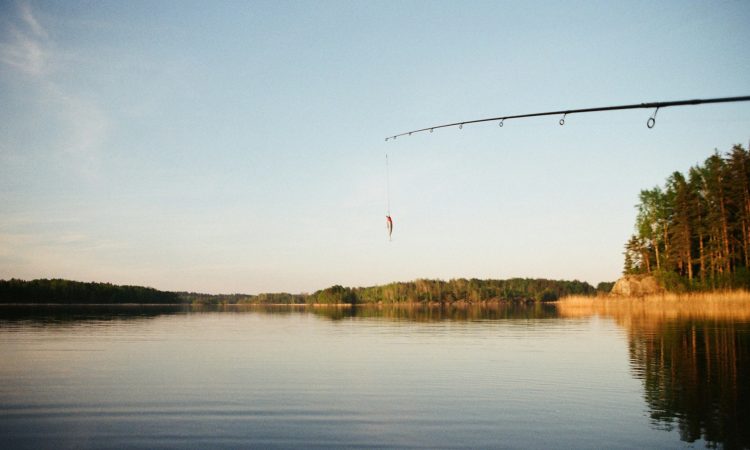
Sport fishing is one of the many activities carried out in Akagera National Park and has been a popular activity for a long time. It is interesting enough that any tourist should be enthused about taking part.
Whereas Akagera has many lakes from which fishing can be carried out, this activity preferably happens on the shimmering Lake Shakani.
This lake has the common desired fish species, such as tilapia, which is available in good numbers, and catfish. Lake Shakani is situated on the northeastern side of Akagera National Park.
Tourists are engaged in catching fish with the available fishing methods, and then release the fish back into the lake for a swim.
Visitors who take part in the activity are given the opportunity to keep a fish for cooking and eating later in the evening. Tourists are advised to bring their own fishing gear to avoid any inconvenience.
While on the sport fishing experience, visitors also get to view hippopotamuses in the shallow ends of Lake Shakani.
Additionally, there are numerous water birds that fly over the lake and rest on lower vegetation along its shores. At times the experience becomes even more interesting, as visitors also spot predatory birds aiming for their pick of fish prey in the water.
How Sport Fishing Is Carried Out
Handheld fishing rods are the most used fishing tools, as they are stable and more personal. However, smaller fishing nets are also allowed, as long as a visitor believes they would make a good fit for what they desire.
Children are also welcome to participate in the activity but should be 6 years old or above.
Fishing competitions are occasionally organized on this lake and are enjoyable to either take part in or watch.
Anyone interested in participating in a fishing competition is advised to contact the park’s administration to secure a reservation.
How Much Does Sport Fishing in Akagera National Park Cost?
To participate, visitors need to have a permit. This permit costs $25 per individual and is valid for only one day.
Children aged 6 to 12 years are charged a lower fee of $15, with the remaining conditions similar to the ordinary permits.
Due to high interest from tourists in this activity, there is stiff competition among prospective sport fishers.
Interested tourists are therefore advised to make early bookings, at least 2 months in advance, in order to secure a permit for a better fishing season. It’s best to work with a tour operator to help arrange this booking.
Best Time to Go Sport Fishing
Visitors are advised to take part in this activity during the months of June to September, or December to February. See our full best time to visit Rwanda guide for more detail.
In Rwanda, these are dry periods with abundant sunshine and generally calm waters, making conditions ideal for a day out on Lake Shakani.