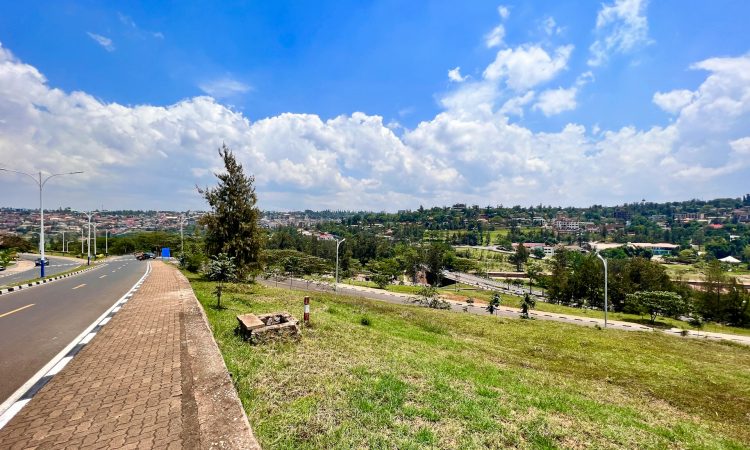
The last Friday of every month marks the evening before “Umuganda,” Rwanda’s monthly day of community service. The people of Rwanda come together with a shared purpose to clean the streets of their country.
On the last Saturday of each month, citizens set aside their regular activities from 8:00 a.m. to 11:00 a.m. to clean their communities and uphold the country’s reputation as one of the cleanest in Africa.
Why Umuganda?
Umuganda was established in 2007 to help rebuild the country’s cities and support healing from the pain caused by the genocide.
The program has contributed to various developments in Rwanda, including uniting communities and protecting the environment through tree planting, proper garbage disposal, and other related activities.
The program also focuses on improving the country’s infrastructure. Community roads are maintained, houses are built for vulnerable people, and public offices and health facilities are constructed.
The History of Umuganda
Umuganda is a tradition that has changed over time. In the 19th and 20th centuries, a version of it was introduced under Belgian colonial rule, requiring Rwandans to carry out community labor for local leaders on a regular basis.
During the genocide, some Hutu leaders misused Umuganda gatherings to organize and carry out acts of violence.
After the genocide, there was a need to rebuild and unite the country, which led to the reintroduction of Umuganda in 2007 as a way to bring people together for a shared purpose. It was also declared a national practice.
Initially, many people were hesitant to take part, but awareness campaigns on TV, radio, and through documentaries encouraged wider participation. Today, about 80% of citizens willingly take part in this activity.
Umuganda is also an opportunity for community members to share announcements and information that benefit the community.
People can discuss problems in their areas and propose solutions to improve local well-being.
It is estimated that more than $60 million has been saved through Umuganda since its establishment in 2007.
Participation in Umuganda
Participation in Umuganda is expected of all Rwandans aged 18 to 65, and those who don’t take part can face a fine. The type of voluntary work done depends on the needs of each region.
Common activities include unblocking drainage channels, sweeping roads, collecting rubbish, building houses for vulnerable people, and cleaning wells.
Umuganda is a day of community service. Professionals also contribute by offering free services.
For example, doctors may organize free medical camps, and other professionals can offer their skills at no cost.
An organizing committee helps ensure the success of Umuganda by motivating communities, supervising the work, and evaluating and reporting on the results.
Umuganda’s Influence Beyond Rwanda
The success of Umuganda has inspired similar initiatives elsewhere, including one started in South Sudan in 2019 by the United Nations Mission in South Sudan.