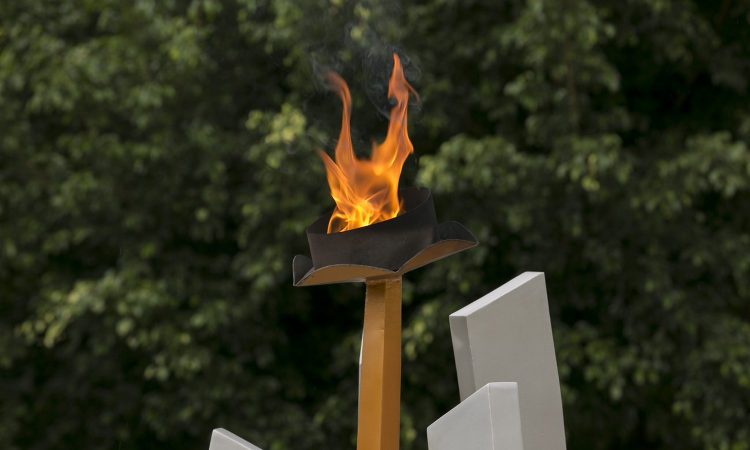
The Genocide Memorial Site in Kigali honors the victims of Rwanda’s 1994 genocide, where an estimated 250,000 people are buried. The site includes a visitor center for students and others interested in learning about the events leading up to and during the genocide.
The center is also a place where grieving families buried their loved ones. It is managed by the Aegis Trust on behalf of the National Commission for the Prevention of Genocide. The memorial site is located in Gisozi, on the outskirts of Kigali. Reports of the mass killings in Rwanda shocked the world in 1994.
The genocide, often perceived by outsiders as an ethnic conflict, involved the Hutus as the main perpetrators and the Tutsis as the primary victims. An estimated 800,000 to 1,000,000 people were killed within 100 days. Construction of the memorial site began in 2000, led by the Kigali City Council. The Aegis Trust was tasked with bringing the vision to life, gathering data from around the world to create three detailed exhibitions.
These exhibitions were prepared in three languages, designed by the Aegis team in the United Kingdom, and installed in Rwanda.
History of the Memorial
This memorial is one of six major genocide memorial centers in Rwanda dedicated to remembering the 1994 tragedy. The bodies of victims, some found in rivers and left on streets, were brought here from across the capital.
They were buried in groups of 100,000. The memorial site was completed in 1999, and the center was officially inaugurated in April 2004, on the 10th anniversary of the genocide.
The response from genocide survivors to the center’s opening was significant. During the first week, over 1,500 survivors visited daily. Within the first four months, about 60,000 people had visited the center, including approximately 7,000 international visitors.
Exhibitions and Sections
The center features three permanent exhibitions on its upper level, with the largest focused on Rwanda’s 1994 genocide, placing the tragedy in its historical context.
There is also a children’s memorial section, displaying life-size images along with personal details such as favorite toys, last words, and how they were killed. Another section covers genocidal violence in other parts of the world.
The center includes the National Documentation Center, Memorial Gardens, and Genocide Education Center. Together, these elements honor the victims while educating future generations about the genocide.
The Gacaca judicial process is also documented here, using GPS and audiovisual materials to capture and preserve testimonies from victims.
Visiting the Memorial
Hundreds of thousands of people have visited the memorial site over the years. It also supports local Gacaca courts and the International Criminal Tribunal in Arusha in their pursuit of justice for the victims.
Visitors can rent an audio tour for about $25, which provides context on Rwanda’s colonial history and explains the genocide in greater detail.
The exhibits grow more emotionally weighted as visitors move through the memorial, including video testimonies from survivors.