Kibeho is one of the historical towns of Rwanda, known both for the Marian apparitions reported there and for the tragic events tied to the country’s history of ethnic violence.
Before the 1994 genocide, the town was known for visions reported by three girls: Mukamazimpaka, Mukangango, and Mumureke, who said they saw the Virgin Mary and Jesus Christ appear to them.
In their visions, described from 1982 onward, the girls spoke of seeing disturbing imagery, which some have since interpreted as a foreshadowing of the violence that would later unfold in the country.
These visions were reportedly a source of significant distress for the girls involved.
Kibeho During the 1994 Genocide
During the 1994 genocide, in which Hutu extremists killed an estimated 800,000 to 1,000,000 people nationwide, Kibeho itself lost around 6,000 people. Properties were looted and destroyed, and residents were displaced.
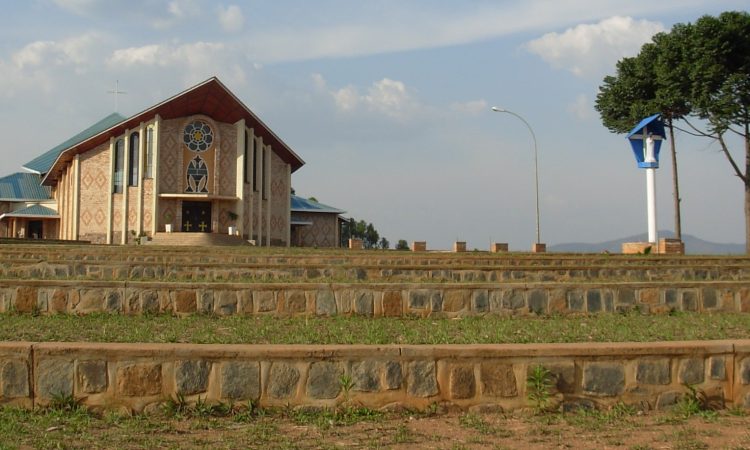
At Kibeho Church, many residents who had sought shelter there were killed. One of the three girls associated with the earlier visions was reportedly among those killed at the church.
The Refugee Camp and Its Aftermath
After the genocide, Kibeho became the site of a large refugee camp, housing around 100,000 people. Distinguishing genuine refugees from those who had taken part in the genocide proved difficult for camp authorities.
The Rwandan Patriotic Front (RPF) closed the camp roughly a year after the genocide, and many residents were sent back to their home areas.
During the camp’s closure, violence broke out, and a significant number of people were killed in what has become known as the Kibeho incident, an event that remains a documented and studied part of Rwanda’s postwar history.
Conditions at the overcrowded camp, including shortages of food and water, contributed to unrest in the period leading up to the closure.
Kibeho Today
This town, in Nyaruguru District in Rwanda’s Southern Province, carries a complex history, from its earlier identity as a Christian holy site to its association with the events of the 1990s.
Today, Kibeho draws Christian pilgrims as well as visitors interested in Rwanda’s broader history. Guides help visitors explore the area, and some survivors from the period still live in Kibeho and share their personal accounts with those who visit.
There are also small memorial sites and displays with photographs connected to those who died. Historians, researchers, and journalists visit Kibeho to learn more about the events that took place between 1982 and 1995.
The town’s residents are known for their hospitality, and tourists visiting Kibeho can expect a welcoming reception alongside a meaningful, if difficult, look into this part of Rwanda’s story.