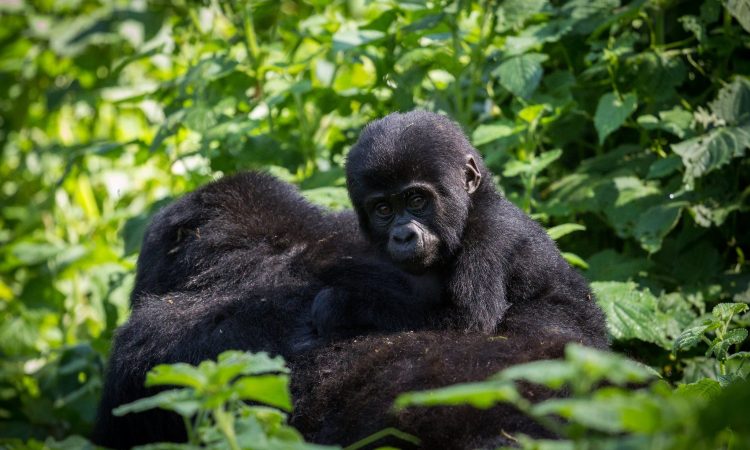
The Susa gorilla family is one of the groups studied by the primatologist Dian Fossey during her research on mountain gorillas in Rwanda. Book a Rwanda trek to see how a Susa visit fits into your safari.
Dian Fossey and her team first discovered the group in 1978. The Susa gorilla family gets its name from the Susa River, which flows through the area where the family lives.
The Susa mountain gorilla family is one of the hardest gorilla families to trek, since they sometimes move to higher elevations, making them harder to find.
This group is often seen interacting with the Pablo mountain gorilla family, as some females from the Pablo family have joined the Susa family, and vice versa.
If you’re looking for more of a physical challenge during gorilla trekking, this is one of the groups worth considering.
The Susa mountain gorilla family is also one of the fortunate groups to have had twins born within it, an interesting detail for anyone with twins in their own family or who is a twin themselves.
Gorilla Permits
Mountain gorilla permits in Rwanda cost $1,500 per person per trek. These permits can be obtained from the Rwanda Development Board or through a trusted tour company.
People with infectious illnesses and children under 15 are not allowed to trek mountain gorillas.
Where to Sleep
There are various accommodation options in Volcanoes National Park, ranging from camping to budget, mid-range, and luxury lodges.
Where you choose to stay will depend on your budget and room availability on your chosen dates.
Volcanoes National Park can be visited all year round, but the best time is from June to September and December to February, when the weather is more favorable. See our full best time to visit Rwanda guide for more detail.
Trekking Tips for the Susa Family
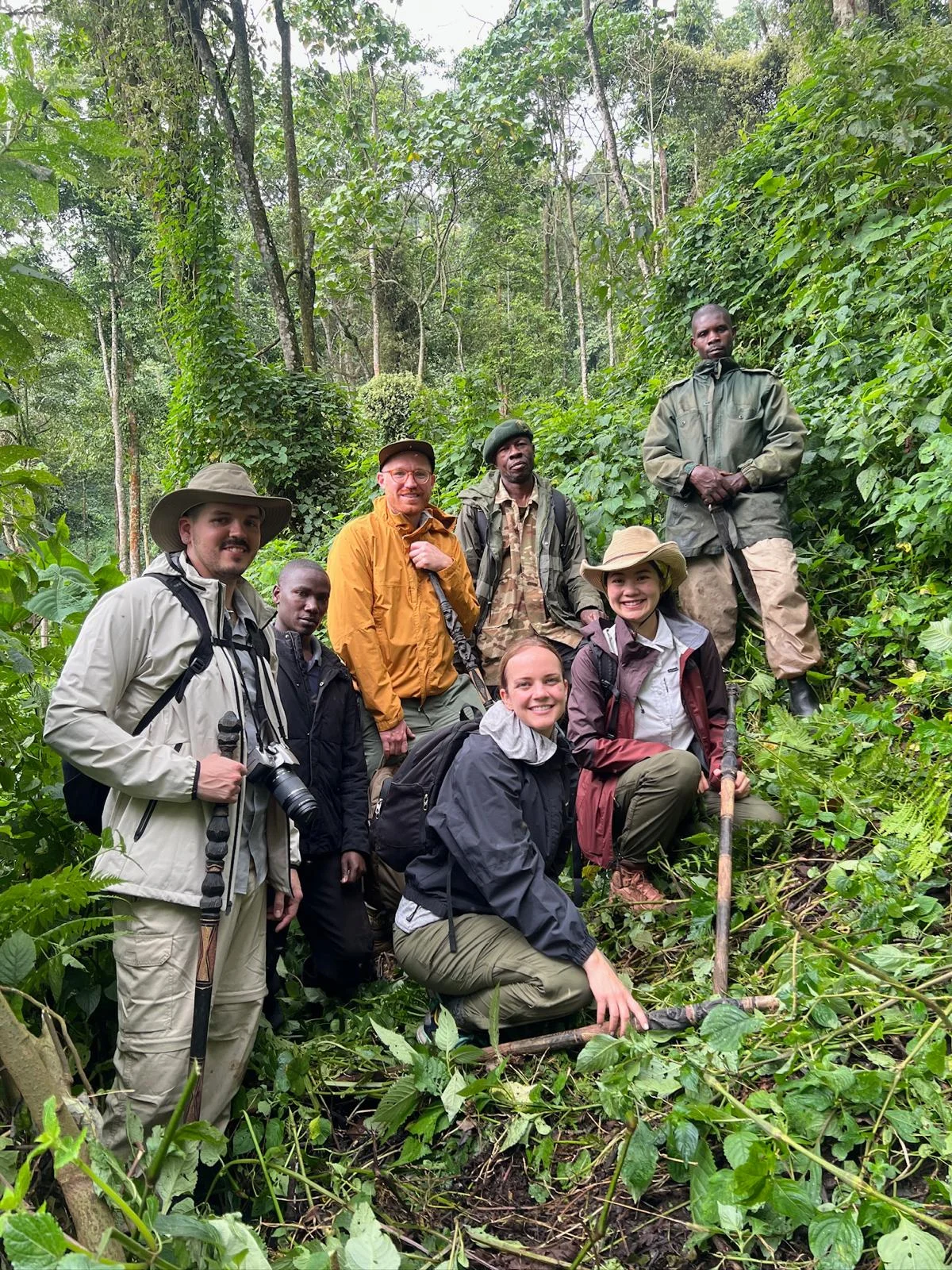
It’s worth noting that the Susa mountain gorilla family stays at higher elevations, which makes trekking more demanding. Visiting during the dry season is recommended, as the trekking trails are in better condition at that time.
Trekking mountain gorillas is an exciting experience, quite different from game drives where you watch wildlife from a vehicle. Gorilla trekking calls for a good level of physical fitness, and you should come prepared with waterproof hiking boots, garden gloves, plenty of drinking water, energy snacks, warm long-sleeved clothes, raincoats, a walking stick, a backpack, insect repellent, sunglasses, a hat, and other essentials. Porters are also available at the park headquarters to help carry your luggage.