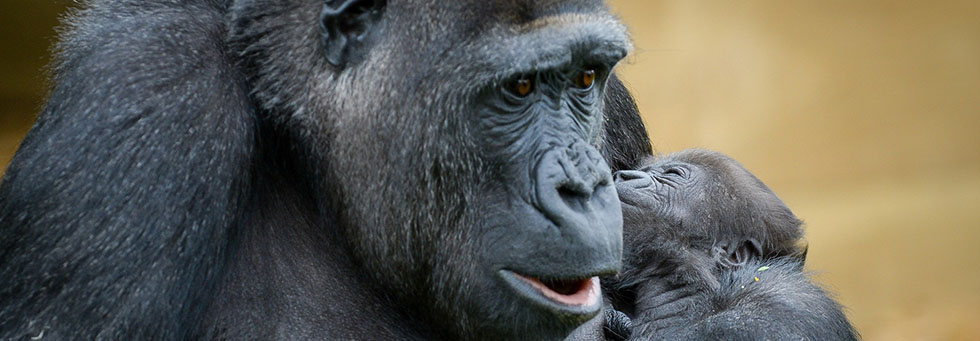
Western Lowland Gorilla: Facts & Habitat

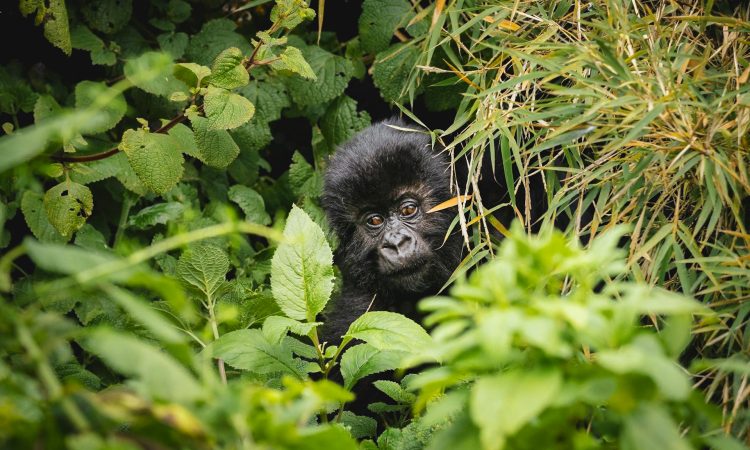
The western lowland gorilla, the smallest gorilla subspecies, lives across Central African countries and is the type most commonly seen in zoos. Highly intelligent, they use tools like sticks to check water depth or extract termites. Unlike this species, the mountain gorilla is the subspecies you'll encounter on gorilla trekking tours in Uganda, Rwanda, and Congo.

The western lowland gorilla, also called Gorilla gorilla gorilla, is one of the two subspecies of the western gorilla. It is the smallest of the four types of gorillas, and it’s also the gorilla species you are most likely to see in a zoo.

Western lowland gorillas live in thick forests, mountain forests, and swampy lowlands across Equatorial Guinea, the Central African Republic, the Democratic Republic of Congo, Gabon, Cameroon, and Angola.

An adult male gorilla stands about 1.5 to 1.8 meters tall and weighs between 140 and 270 kilograms.

Planning this trip? Tell us your dates and we reply with a tailored itinerary and a clear price.

Get a free quote

Physical Features

These gorillas have large hands with nails on each finger, short faces, wide nostrils, large mouths and ears, and a heavy brow ridge, along with strong jaw muscles. Western lowland gorillas often stand upright but usually walk on all fours, using their knuckles to support their weight.

They are the only type of gorilla known to have produced an albino individual. This rare gorilla was called Snowflake, born in Equatorial Guinea and later moved to a zoo in Barcelona in 1966.

Range, Diet, and Behavior

Western lowland gorillas move within a home range of 8 to 45 kilometers and usually travel 3 to 5 kilometers each day.

They eat shoots, leaves, roots, wild celery, pulp, and tree bark, with an adult eating up to 18 kilograms of vegetation daily.

These gorillas are notably intelligent. They use tools like sticks to check the depth of water, and branches to pull termites and ants out of holes.

Appearance and Group Life

Their bodies are covered with greyish-brown hair, except for their faces, ears, hands, and feet. As they grow older, male gorillas develop grey hair on their backs, becoming silverbacks that lead the group and make decisions for it.

People often assume gorillas are aggressive, but they are largely gentle animals. They live in groups of 5 to 30 members, led by a silverback who guides the group’s daily activities.

Gorillas have a relatively low birth rate, and female gorillas become sexually mature between the ages of 8 and 12.

Gorilla Classification

The western gorilla species is made up of two subspecies: the western lowland gorilla and the Cross River gorilla. The eastern gorilla species includes the eastern lowland gorilla and the mountain gorilla, the subspecies most commonly seen on gorilla tours in Uganda, Rwanda, and the Democratic Republic of Congo.
Ready to go?

Book a gorilla safari 2026/2027

Turn this guide into a trip. These itineraries include the places you have just read about, with prices where we list them.

See all gorilla safaris

Get a free quote

Book Your Tour Today!

Africa is home to some of the world's best gorilla trekking experiences. Known as the top primate trekking continent, Africa also offers wildlife safaris, adrenaline activities, mountain climbing adventures, and honeymoons alongside your gorilla trek.

Start planning now

Why book with us

Why choose African Gorilla Tours?

We plan gorilla treks that are enjoyable and affordable, because we love gorilla trekking as much as you do.

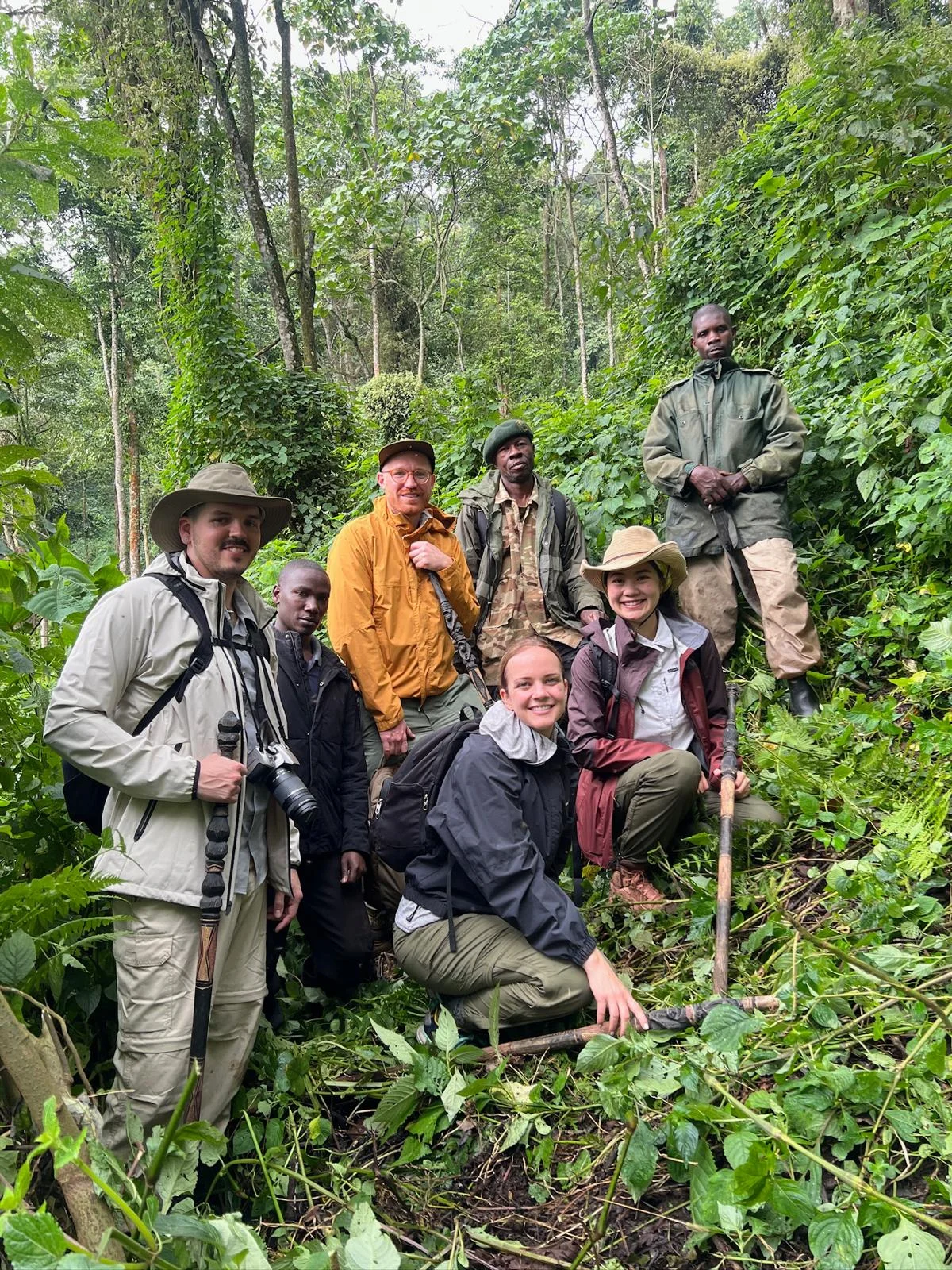
African Gorilla Tours guests on a gorilla trek
  • Who we are

    We are a gorilla trekking operator, agency, and Destination Management Company (DMC) based in Kampala, Uganda. Our Uganda Tourism Board licence number is UTB/RTT/TO/2023/100931.

    About African Gorilla Tours
  • Booking gorilla treks with us

    Along with our carefully planned gorilla trekking packages and years of experience, we offer flexible and friendly booking terms.

    How booking works
  • Our honest promise to you

    We promise to plan, handle, and manage your gorilla trek carefully and correctly, from start to finish.

    Our promise in full
  • Our values & commitments

    We are committed to excellent service and to making every gorilla trek as smooth as possible.

    Our values and commitments
  • Our cause

    We profit from gorilla trekking tourism, and we make sure others do too. A portion of our profits supports single mothers in communities near the gorilla parks.

    About our cause

How it works

How we work

We plan your gorilla trek the right way, starting with a clear and simple planning process.

  1. We listen to you

    We listen to your gorilla trekking needs, then recommend and advise on the best options for your trip.

  2. We discuss your options

    We talk through your options, match you to the right gorilla trekking itinerary, and refine it based on your feedback.

  3. We lock in your booking

    We confirm your gorilla trekking booking and handle reservations while we finalize any remaining details.

Speak to a gorilla trekking expert to start planning your trip

Call us now or book a video call, and we'll help you plan your gorilla trekking safari.

Eddie, gorilla trekking guide at African Gorilla Tours Alyssa, gorilla safari consultant at African Gorilla Tours