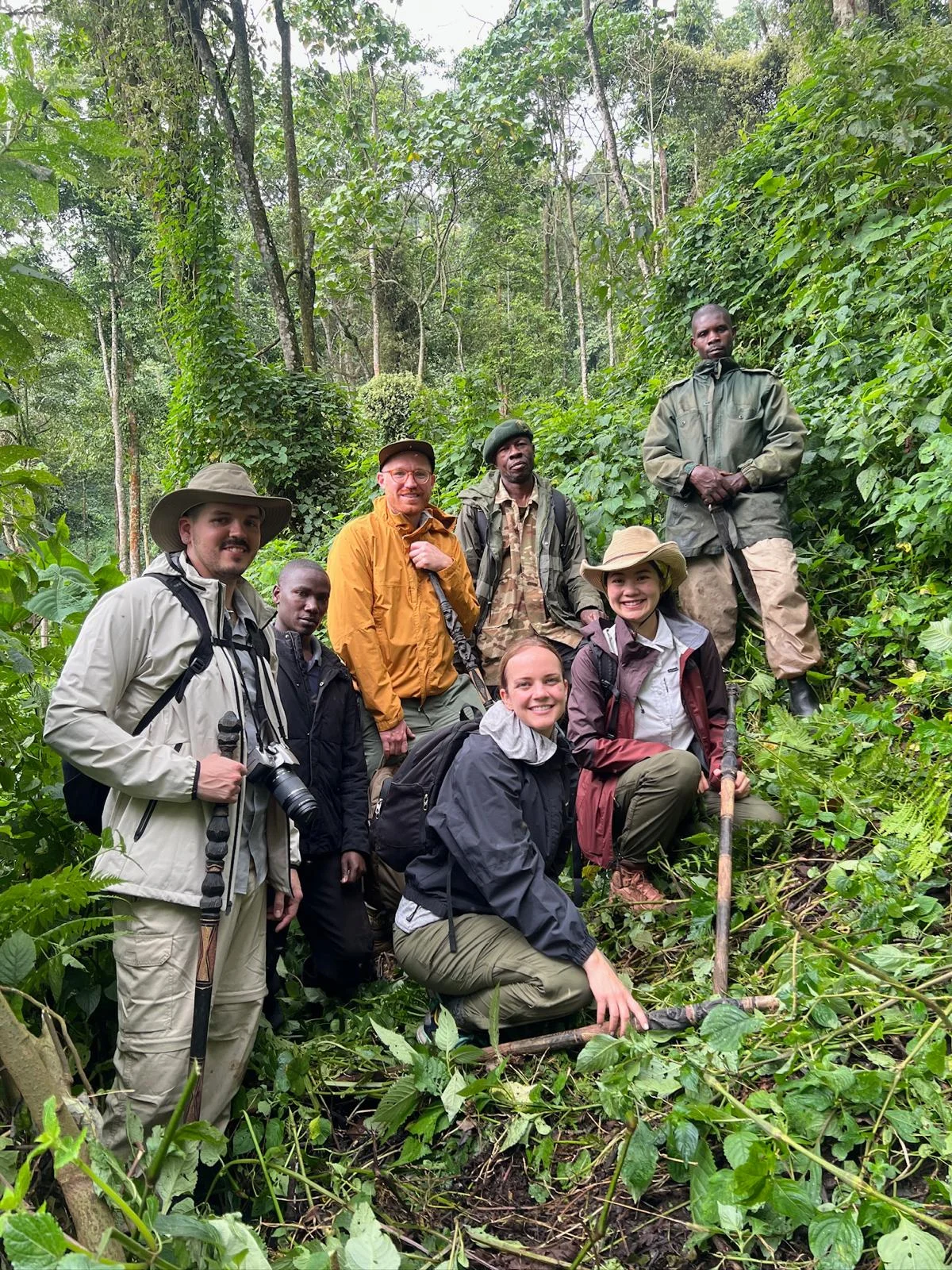

Gorilla photography in Uganda is becoming more popular by the day. When photographing mountain gorillas, the most important rule is that cameras with flash are not allowed. Always turn off your flash or use a camera without one, since flash can make gorillas feel threatened and may cause them to charge.
Tourists must stay 7 meters away from the gorillas. It’s good to carry a wide-angle lens, a fixed focal lens, and a zoom lens to take better photos. You can also carry two cameras if possible, since gorillas move often and changing lenses can take time. Make sure your camera is fully charged and carry extra batteries. You should also bring a waterproof bag for your camera, as the weather in the rainforest is unpredictable and it can rain at any time.
When planning gorilla photography in Uganda, it’s advisable to carry two cameras, because mountain gorillas are always moving and it can be hard to change lenses quickly. Bringing a fixed focal lens, a wide-angle lens, and a zoom lens will help you get a good variety of shots.
Securing Your Gorilla Photography Permits
There is no separate price for gorilla photography permits in Uganda. However, for a richer photography experience, tourists can book permits for gorilla habituation, which allows for four hours with the gorillas, compared to the one hour given during standard gorilla trekking.
For professional filmmakers, journalists, or tourists interested in making gorilla films, it’s important to secure permits through the Uganda Wildlife Authority or a trusted tour operator.
In Uganda, gorilla permits cost $800 per person, gorilla habituation permits cost $1,500 per person, and filming permits cost $4,200 per person. These permits are limited, so tourists should book at least 3 months before traveling.
A maximum of eight people is allowed to visit a mountain gorilla family at one time. Sick adults with infections like a cough or flu, and children under 15, will not be allowed to trek mountain gorillas.
Why Photography Conditions Vary Between Countries
Gorilla trekking is one of the most popular tourist activities in Africa. Even though it comes at a cost, many travelers dream of seeing these apes in their natural habitat, since mountain gorillas cannot survive in zoos. Anyone planning to go gorilla trekking in Uganda should bring a camera to capture this experience.
Uganda is a top destination for gorilla trekking, though taking photos can be more difficult there, since Bwindi Impenetrable Forest is quite dense, making it harder to get clear shots compared to Rwanda’s more open terrain. That said, gorillas are sometimes found in more open areas within Bwindi, where good photo opportunities do arise.
Best Time for Gorilla Photography
Mountain gorilla photography can be done all year round. However, for clearer pictures, it’s best to visit during the dry seasons, from June to September and December to February, when vegetation is less dense. See our full best time to visit Uganda guide for more detail.
During the rainy season, Bwindi Forest becomes very thick, making photography noticeably more challenging, so photographers hoping for open, well-lit shots should plan their trip around the drier months where possible.